
In an era where unpredictable weather patterns and increasing instances of severe storms have become the new normal, the adage "better safe than sorry" has never rung truer for homeowners. Flooding is now one of the world’s most frequent and devastating natural disasters, impacting millions of households annually. As communities contend with rising waters—from flash floods to river overflows to urban drainage failures—it’s become clear that traditional flood defense methods are no longer sufficient. Today, solutions like the Automatic Flood Barrier are gaining attention for their ability to respond quickly and effectively. Sandbags and last-minute barricades may buy minutes, but in today’s fast-moving storms, every second counts.
That’s where the Automatic Flood Barrier comes in. No longer a futuristic concept, these cutting-edge flood protection systems are swiftly redefining home safety around the globe. At Newflag Technology Co., Ltd., we are proud to be at the forefront of this revolution, providing innovative, reliable, and user-friendly Automatic Flood Barrier solutions designed to keep homes, properties, and businesses safe against even the most sudden or severe flood threats.
Understanding the Flood Challenge
Flooding is no longer a rare occurrence; it is a constant threat affecting both coastal and inland communities. Urban sprawl, aging stormwater infrastructure, and climate change exacerbate the risk for both newly built and older homes, making solutions like the Automatic Flood Barrier increasingly essential for modern protection. When floodwaters strike, they don’t just damage property—they can displace families, destroy treasured belongings, and cause long-lasting health hazards such as mold.
According to recent reports from the World Bank and the Insurance Information Institute, billions of dollars are spent each year on flood damage repairs globally. Sadly, much of this loss could have been prevented with better preparedness and smarter technologies. While flood insurance offers some financial compensation, the inconvenience and emotional toll of restoring a home are often much greater.
In the past, homeowners would rush to create makeshift sandbag walls or rely on low-tech door barriers. However, these solutions are often slow, labor-intensive, and sometimes ineffective—especially if floodwaters rise suddenly at night or when a home is unoccupied. This is precisely why an Automatic Flood Barrier is being recognized as the gold standard in 21st-century flood defense.
What is an Automatic Flood Barrier?
An Automatic Flood Barrier is a pioneering flood mitigation system designed for real-time, hands-free protection of property. Unlike traditional barriers that require warning and manual deployment, automatic barriers activate in direct response to environmental cues such as rising water levels, heavy rainfall, or emergency weather alerts. The key is speed, reliability, and minimal need for human intervention.
These systems are typically installed at vulnerable entry points:
- Doorways and main entrances
- Garage doors and driveways
- Basement stairwells
- Commercial property access points
When a sensor detects water or a specified pre-flood condition, the barrier will deploy itself—either rising from a concealed housing, swinging into place, or inflating to block floodwater. Once the threat passes, the barrier can retract automatically or be reset with minimal effort.
How Does an Automatic Flood Barrier Work?
Automatic Flood Barrier leverages state-of-the-art technology, including:
- Smart Water Sensors: Embedded or remote detectors continuously monitor for water presence or rising levels.
- Self-Activation Mechanisms: Hydraulic, pneumatic, or even fully mechanical systems can raise or swing the barrier into place within seconds of detecting a flood.
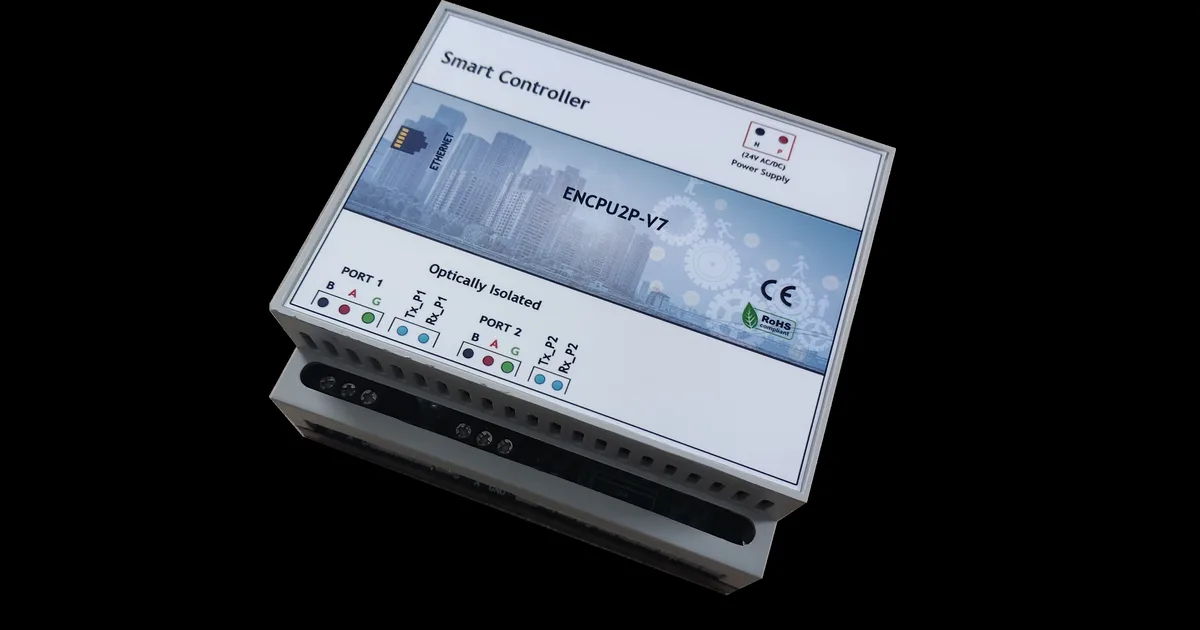
- Programmable Controls: Many barriers are equipped with logic controllers, allowing integration into smart home systems or local weather alert feeds.
- Fail-Safe Designs: Reliable even during power outages, most systems are designed with backup batteries or gravity-powered components.
- Robust Construction: Made from corrosion-resistant metals and industrial-grade seals, barriers are engineered to withstand repeated flood events.
At Newflag Technology Co., Ltd., our Automatic Flood Barrier systems undergo rigorous testing and are certified to comply with international protection standards (such as PAS 1188 and other relevant certifications), giving homeowners confidence that their investment will perform when it matters most.
The Unique Advantages of Automatic Flood Barrier Systems
1. Instant and Reliable Response
Once installed, an Automatic Flood Barrier stands ready day and night. Whether you’re home, at work, or away on vacation, you have complete peace of mind knowing your property is protected. There’s no need to scramble in bad weather or risk personal safety.
2. Hands-Free Operation
Forget hours of stacking sandbags or fumbling with awkward panels during an emergency. The system activates automatically, usually in seconds, based on preset triggers—saving time and reducing stress.
3. Superior Sealing and Strength
By design, Automatic Flood Barriers offer tight, consistent seals against floodwater, outperforming almost any manual solution. They can withstand significant hydrostatic pressure, debris impact, and even prolonged submersion—all without user adjustment.
Also Read: Applications of the Automatic Flood Barrier [Infographic]
4. Minimal Visual Impact
Because most systems retract below ground or into discreet wall housings when inactive, your home maintains its original appearance and accessibility year-round.
5. Long-Term Cost Savings
While the upfront investment in smart flood protection is greater than traditional barriers, the savings over the life of your home—especially after a single major avoided loss—can be immense.
6. Insurance Benefits and Property Value
More insurance companies are offering policy discounts for homes equipped with automatic flood protection, and prospective buyers value the peace of mind such technology provides.
The Technology Behind the Automatic Flood Barrier
a) Sensor Intelligence
Sophisticated water sensors—placed at entrances, basements, or even in the yard—provide real-time data to the flood barrier’s control system. Some models connect to Wi-Fi or GSM networks, so you can receive mobile alerts, deploy the barrier remotely, or monitor status from anywhere in the world.
b) Actuation Mechanisms
- Rising Barriers: These sleek barriers are recessed below the entry surface. Upon sensing water or a flood alert, they elevate automatically to create a solid, water-tight shield.
- Swing or Drop-Down Doors: These are housed above or beside the opening and move into position at the signal of a sensor.
- Inflatable Tubes: Rapidly expand within a containment track to block water.
c) Backup and Reliability Features
Automatic Flood Barrier from Newflag Technology Co., Ltd. is engineered to function during power loss with robust battery backups, or in some cases, mechanical activation powered directly by the hydrostatic force of the floodwater itself.
d) Integration with Smart Home Systems
Many Newflag Flood Barriers can be integrated with home automation systems, so you can receive smartphone alerts, activate barriers with a single tap, or link deployment to government weather warnings.
Where Should You Install an Automatic Flood Barrier?
- Main house doors: The entry path is most vital to your home’s safety.
- Garages: Particularly vulnerable due to their wide, low openings.
- Basement entrances: Where floodwater often seeks the lowest access point.
- Retail and commercial properties: For business owners, automatic barriers are critical to asset and stock protection.
- Public buildings and infrastructure: As seen in metro stations or hospitals.
Newflag Technology Co., Ltd. offers a wide range of models and custom sizing to ensure your property receives full-coverage defense, regardless of its layout.
Case Study: Real-world Impact of Automatic Flood Barriers
Case 1: Coastal Property in the UK
After recurring tidal flooding, a homeowner invested in Newflag's Automatic Flood Barriers for their driveway and back door. The next storm season brought record floods, yet the barriers automatically deployed during the night. The result—zero water ingress, while neighboring properties suffered extensive damage.
Case 2: Urban Office Building in Southeast Asia
An IT firm, once forced to evacuate twice yearly due to monsoon flooding, installed automatic barriers in its underground garage. Now, sensors tied to the city’s alert system trigger the barrier with every flood warning, protecting millions in equipment and eliminating costly downtime.
Case 3: Elderly Resident in the U.S. Midwest
An older resident with limited mobility found stress relief through their automatic barrier. Flood sirens no longer spell panic—they simply wait safely inside, while the system does the work.
Maintenance and Care for Your Automatic Flood Barrier
While Automatic Flood Barriers require less effort than traditional defense methods, routine maintenance ensures they function flawlessly for years.
- Regularly test sensors and actuation mechanisms.
- Keep the area around retractable barriers free from debris.
- Schedule annual professional checks (as provided by Newflag Technology Co., Ltd.).
- Replace any worn seals or batteries as recommended.
Newflag offers ongoing support, maintenance contracts, and remote diagnostics for peace of mind.
The Future of Home Safety is Automatic and Smart
Flood risks are only set to rise in the coming decades. Insurance costs, extreme climate events, and the sheer unpredictability of water demand a new, reliable solution. The Automatic Flood Barrier stands out as a cornerstone in this new era of home safety—no longer a luxury, but an essential part of responsible property ownership.
Frequently Asked Questions (FAQ)
1. How does an Automatic Flood Barrier "know" when to deploy?
Sophisticated sensors measure water present at key locations or monitor weather alert inputs. When levels cross a pre-set threshold, the barrier’s controller signals deployment instantly, whether you are home or not.
2. What happens if there is a power outage during a flood?
Newflag’s Automatic Flood Barriers feature independent power backups, such as battery packs or mechanical actuation, ensuring full functionality even during grid failures.
3. Can Automatic Flood Barriers be retrofitted to existing homes?
Yes. Most systems are designed for both new construction and retrofit, with minimal invasiveness. Custom solutions allow fitting even in complex or historic buildings.
4. Are they suitable only for homes, or can businesses / public facilities use them?
Automatic Flood Barriers by Newflag are designed for residential, commercial, and public applications. They scale from single doors to large freight entrances.
5. How tall or wide are the barriers?
Standard sizes are available, but custom barriers can be manufactured to virtually any width or height your property needs.
6. What is the lifespan of an Automatic Flood Barrier?
With correct maintenance, these barriers are built to last 10–20 years or longer, made from corrosion-resistant, industrial-grade materials.
7. Do Automatic Flood Barriers require regular testing?
Yes. Newflag recommends quarterly self-tests and annual professional checks for the highest reliability.
8. Will an Automatic Flood Barrier affect the look of my home?
No. When not deployed, barriers are unobtrusive—most are flush with the ground, hidden in landscaping, or recessed in walls.
9. How long does it take to install an Automatic Flood Barrier system?
Most installations are completed within a few days, including sensor placement and barrier fitting. Project scope and property complexity may impact the timeline.
10. What is the cost and ROI of an Automatic Flood Barrier?
Costs vary depending on scope and site, but the return on investment is often realized after a single avoided flood event—especially considering insurance, property value, and peace of mind.