
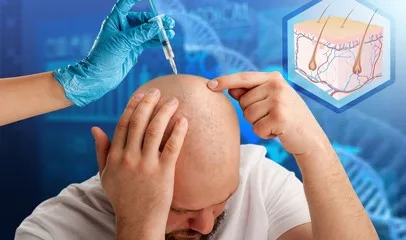
Hair loss is common. It can affect how you feel about yourself. Many people want a fix that looks real and lasts. The good news is that hair restoration is moving fast. New tools make the work more precise. New ideas may soon make it even better. Patients today have more choice than ever before. They also have better care and safer methods. In this blog, we look at what is changing and what may come next. We keep things simple and clear. You will learn what is new, what is still being tested, and how to plan your own path forward.
Where Hair Restoration Stands Today
Hair transplant surgery UK has come a long way in the last twenty years. Old methods left visible scars and hair that looked like doll’s hair. Today, surgeons move single hair groups with great care. They place each one at the right angle and depth. The result looks like your own hair, because it is your own hair. Most people use the following unit extraction method, known as FUE. It leaves tiny dots instead of one long scar. Recovery is quicker, and the hairline looks soft and natural. This is the base on which all new ideas are built.
Robotic Help and Smarter Tools
Technology now supports the surgeon’s hands. Some clinics use robotic systems to map the scalp and help collect healthy hair roots. These tools do not replace a skilled surgeon. They add speed and steady precision to long procedures. Better extraction tools also cut down on damage to each graft. A healthy graft has a better chance of growing well. Newer handheld devices are smaller and finer than older ones. They allow tiny cuts and cleaner results. As these tools improve, surgeons can plan with more detail. Patients may enjoy shorter surgery times and more even density across the scalp.
Artificial Intelligence and Better Planning
Planning is just as important as surgery. Many clinics now use digital scalp scans. These scans measure hair thickness, density and growth patterns. Software can then show how your hair loss may change over time. This helps your surgeon design a hairline that suits your face and your age. A hairline that looks right at thirty must still look right at fifty. Artificial intelligence is helping with this kind of long-term thinking. It does not choose for you. It gives the surgeon better facts. Good facts lead to better plans, and better plans lead to happier patients.
Gentler Methods and Faster Healing
Comfort matters, and recovery matters too. Newer methods such as direct hair implantation, or DHI, use special pens to place each graft. This can reduce the need to cut channels first. Many patients also ask about platelet-rich plasma, known as PRP. This uses a small sample of your own blood to support healing and hair health. Evidence is still growing, but many clinics offer it as an extra. The aim of every hair transplant treatment is simple. Protect the grafts, keep the scalp calm, and help hair grow strong. Expect more small gains in comfort, swelling control and healing time in the coming years.
Hair Cloning and Lab-Grown Hair: What Is Real?
You may read big headlines about unlimited hair grown in a lab. This idea is exciting. Scientists are studying ways to multiply hair cells and grow new follicles. Some work on stem cells and tissue engineering looks hopeful. However, none of this is a routine treatment today. It is still in research. Be careful with any clinic that claims to offer it now. Honest clinics will tell you what is proven and what is not. For now, your own healthy donor hair remains the gold standard. The future may bring more supply for patients with limited donor areas. Until then, the best results come from proven methods.
Higher Standards Across the Industry
Patients are asking harder questions, and that is a good thing. In the past, some people chose a clinic based on price alone. Now they check qualifications, reviews and aftercare. Strong hair transplant UK clinics work in clean, regulated settings. They keep clear records and explain risks in plain words. Look for clinics that employ trained medical staff and stay open about who performs each step. Poor surgery can be costly to repair. Safe, well-run clinics are becoming the norm as patients demand more. Expect this trend to continue. Better standards protect you, and they push the whole industry to improve.
Why the Consultation Matters More Than Ever
Every great result starts with a good talk. A hair transplant consultation is your chance to ask questions and share your goals. Your surgeon should examine your scalp, review your health and explain what is realistic. They should tell you how many grafts you may need. They should also explain the cost, the risks and the recovery time. A good consultation never feels rushed or pushy. Come prepared with a list of questions. Bring photos of your hair from past years if you have them. New digital tools make these meetings richer, because you can see projected results on screen. Use this time well. It shapes everything that follows.
Choosing the Right Partner for Your Journey
Technology is helpful, but people still make the difference. You want a team that listens, explains and cares about your long-term hair health. Want Hair Ltd is one name patients may come across when researching their options. Whichever provider you consider, compare them with care. Ask about the surgeon’s experience. Ask what happens if you need follow-up support. Read patient feedback and look at real before-and-after photos. Do not feel pressure to decide on the first call. A confident clinic will welcome your questions. The right partner will give you honest advice, even when that advice is to wait.
Conclusion
Hair restoration is changing in exciting ways. Robotic tools, digital planning and gentler methods are making care safer and more precise. Hair cloning remains a hopeful idea for the future, but it is not here yet. What works today is skilled surgery, careful planning and honest advice. If you are thinking about hair transplant surgery in the UK, take your time. Learn the options. Book a hair transplant consultation and ask every question you have. Choose a team you trust. The future of hair restoration looks bright, and good decisions today will help you enjoy it.