By Abhimanyu Viyyath | Digital Marketer, GL Infotech
I work as a digital marketer at GL Infotech, where I spend my days figuring out how businesses can grow their online presence in a way that actually feels genuine. I like breaking down complex marketing ideas, AI, automation, SEO, into something practical that business owners can actually use, not just jargon that sounds impressive. Every piece I write comes from what I see working (and not working) in real campaigns, and my goal is always to help readers walk away with something they can apply.
The Future of Digital Marketing: AI, Automation, and Human Creativity
What if the brands winning online tomorrow aren't the ones with the biggest budgets, but the ones that know exactly where to let AI take over and where to keep a human hand firmly on the wheel?
Marketing used to move at the pace of a campaign calendar. Plan a quarter ahead, brief the creative team, book the media, wait for the reports to come in. That rhythm is disappearing fast. Today, algorithms write ad copy in seconds, chatbots qualify leads before a salesperson ever says hello, and predictive tools tell marketers what a customer wants before the customer has fully decided for themselves.
The surprising part? The more automated marketing becomes, the more valuable human creativity gets. When every brand has access to the same AI tools, the difference between forgettable and unforgettable comes down to the ideas, empathy, and judgment that only people can bring.
This is why businesses today aren't just asking "how do we use AI in marketing?" They're asking a bigger question: "how do we combine AI, automation, and human creativity in a way that actually grows our brand?"
"Marketing is no longer about the stuff you make, but the stories you tell."
Seth Godin
But here's where many businesses get stuck. Adopting AI tools is easy. Using them with strategy, purpose, and a human touch is not.
At GL Infotech, we work with businesses across industries to build digital marketing strategies that put AI and automation to work, without losing the creativity and authenticity that actually builds trust with customers.
AI Has Changed What "Fast" Means in MarketingIn a Nutshell
Digital marketing is entering a new phase. AI and automation are reshaping how brands research, create, target, and measure their marketing, but the businesses that win aren't the ones automating the most. They're the ones that know how to blend machine efficiency with human creativity, judgment, and storytelling.
Not long ago, launching a campaign meant weeks of planning between strategists, designers, and media buyers. Now, AI tools can generate ad variations, analyse audience data, and adjust bids in real time, all within the same day.
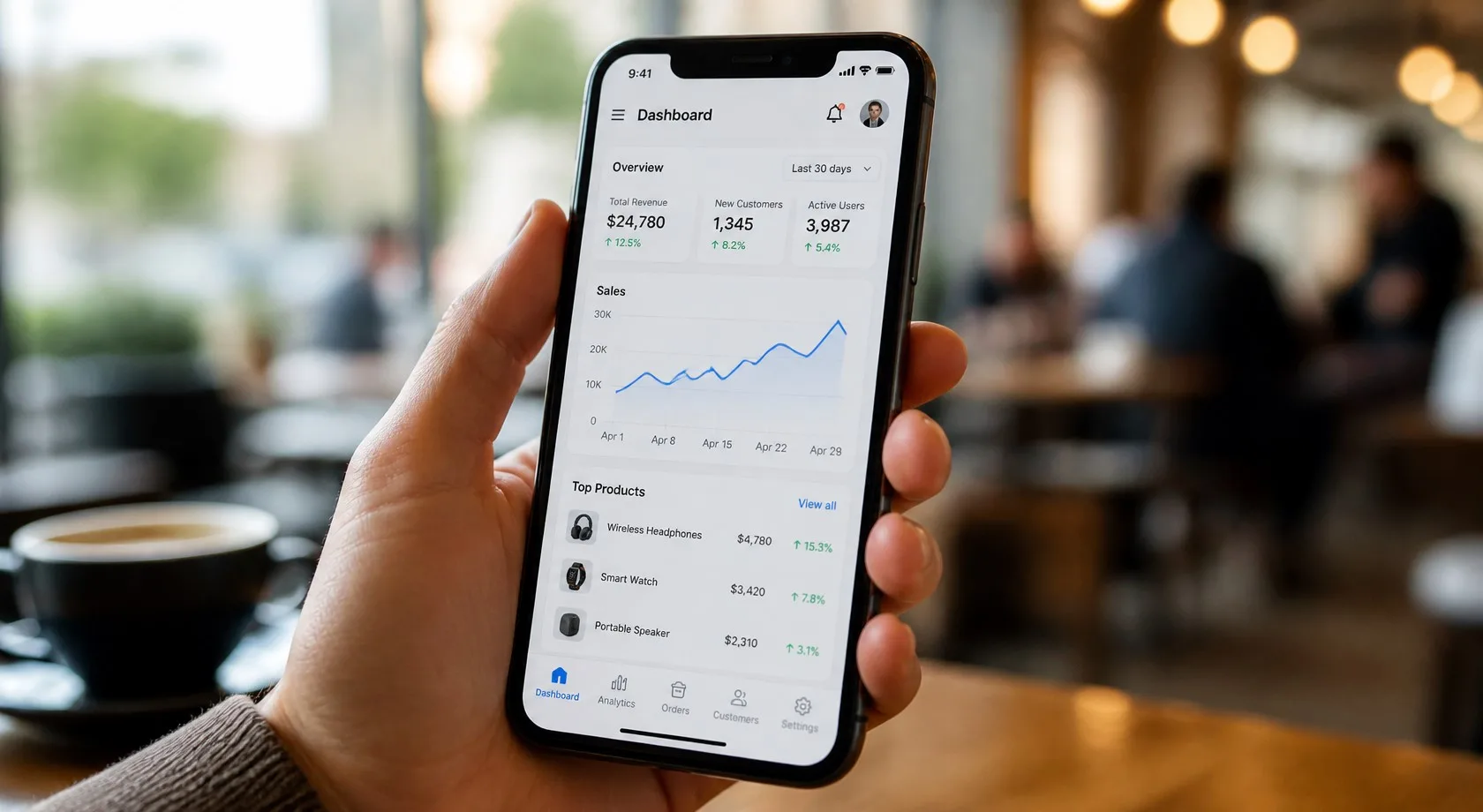
Marketers today use AI to draft content, personalise emails at scale, predict which leads are most likely to convert, and identify the best time and channel to reach an audience. What once took a team of specialists days to analyse can now be surfaced by a dashboard in minutes.
This shift hasn't reduced the need for marketers. It has changed what marketers spend their time on. Instead of manually pulling reports or A/B testing headlines one at a time, teams can focus on strategy, storytelling, and understanding what customers actually care about.
Because speed without direction is just noise. AI gives businesses the speed. Strategy is what gives it meaning.
Automation Is Doing the Repetitive Work, So People Can Do the Meaningful Work"The best marketing doesn't feel like marketing."
Tom Fishburne
Automation has quietly become the backbone of modern marketing. Email sequences that nurture a lead over weeks, chatbots that answer common questions instantly, retargeting ads that follow up with someone who abandoned a cart, all of this now runs without a person clicking send every time.
For businesses, this means fewer missed follow-ups, faster response times, and marketing that works even outside office hours. A customer browsing a website at midnight can still receive a relevant offer, get their question answered, or be guided toward a decision, without anyone manually managing it.
But automation works best when it is built around a clear customer journey, not just switched on and left alone. A poorly set up automation can feel robotic and impersonal. A well designed one feels like the brand is paying attention.
This is exactly why more companies today are looking for a digital marketing agency in Kerala that understands both the technology and the strategy behind it, rather than treating automation as a plug and play tool.
Human Creativity Is What Makes People Remember You
Here's the part AI still can't replicate: the spark of an idea that makes someone stop scrolling. A campaign that makes people feel something. A brand voice that sounds unmistakably like one company and no one else.
AI can generate content quickly, but it draws from patterns that already exist. It doesn't know your customers the way your team does. It doesn't understand the specific culture, humour, or emotion that makes your brand feel human. That's where creative strategists, designers, and storytellers come in.
The brands that stand out today are the ones using AI to handle the volume, while people focus on the meaning. AI can suggest ten headlines. A human decides which one actually reflects the brand and resonates with the audience.
Because at the end of the day, people don't buy from algorithms. They buy from brands they trust and remember.
Data Is Only Useful When Someone Knows What to Do With It
Modern marketing generates an overwhelming amount of data, website visits, ad clicks, email opens, social engagement, and more. AI tools are excellent at collecting and organising this information, spotting patterns a person might miss, and predicting outcomes based on past behaviour.
But data on its own doesn't grow a business. It takes a marketer to interpret what the numbers actually mean, connect them to real business goals, and decide what to change next. A dashboard can tell you conversions dropped. It takes human judgement to figure out why, and what to do about it.
This is why the future of digital marketing isn't about choosing between data driven decisions and creative instinct. It's about using both together, letting AI surface the insight, and letting people apply the judgement.
The Businesses That Win Will Blend Both, Not Choose One
There's a temptation to see AI and automation as either a threat to marketing jobs or a shortcut to instant growth. Neither is accurate. The businesses seeing real results are the ones treating AI as a tool that removes friction, not a replacement for strategy.
That means using automation for repetitive, time-sensitive tasks. Using AI to analyze data and generate ideas faster. And relying on people to bring judgement, creativity, empathy, and brand understanding to every decision that actually matters to the customer.
Because technology can help a brand move faster. Only people can help a brand mean something.
The Future Belongs to Marketing That Feels Human, Powered by Tools That Are Smart
Digital marketing isn't becoming less human. It's becoming more selective about where humans focus their energy. AI and automation are taking over the repetitive, data heavy, time consuming parts of the job, freeing up marketers to focus on what actually moves people: ideas, stories, and genuine understanding of what customers need.
As more businesses look to modernise their marketing, the real advantage won't come from simply adopting AI tools. It will come from partnering with a team that knows how to combine technology with strategy and creativity, tailored to how each business actually works.
As digital marketing continues to evolve, the question for businesses isn't whether to use AI, but how to use it in a way that still feels human. If you're exploring how the right mix of AI, automation, and creative strategy can help your business grow, we'd be glad to start that conversation.