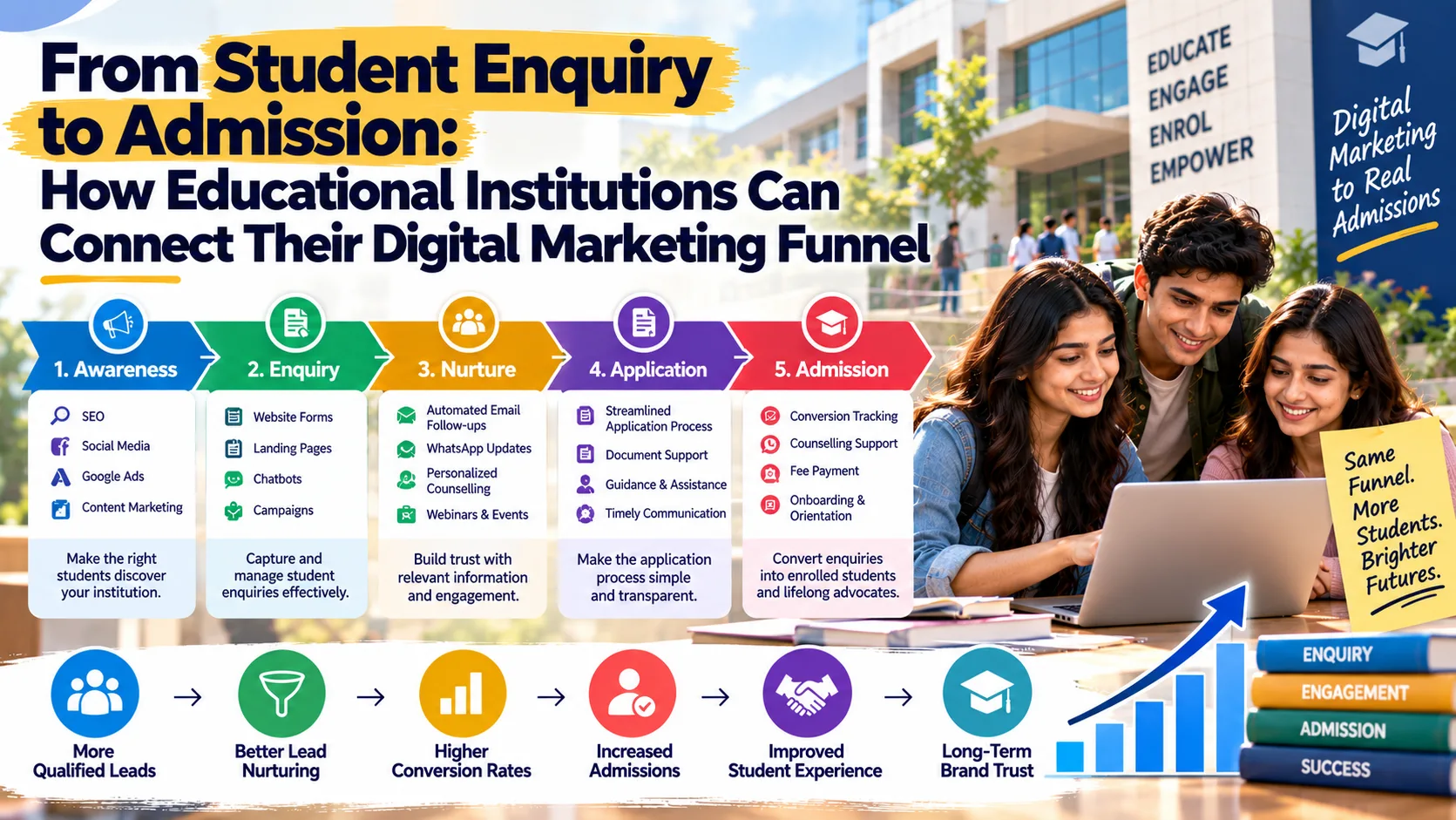
Digital marketing has always evolved alongside technology, from the early days of banner ads and basic email lists to social media, mobile apps, and data-driven advertising. Now artificial intelligence is driving the biggest shift yet. AI is moving from a helpful add-on to the engine behind how campaigns are planned, created, delivered, and measured. Brands are using it to predict what customers want, personalize messages instantly, and automate work that once consumed entire teams. The businesses that understand where this is heading will be better prepared to compete. If you want professional support in preparing for this shift, you can explore reliable digital marketing services in Karachi built around modern, data-driven strategies.
Where AI-Powered Marketing Stands Today
AI is already woven into the tools marketers use daily. Ad platforms use machine learning to choose audiences and bids. Email platforms predict the best send times. Content assistants draft copy, and analytics tools surface insights automatically. Chatbots handle customer questions around the clock.
What is changing is the depth of that integration. Early AI features were narrow, handling one task at a time. Today’s systems understand context, learn from results, and work across channels. That sets the stage for a very different marketing landscape over the coming years.
1. From Automation to Autonomous AI Agents
The next major leap is the rise of AI agents: systems that do not just respond to a prompt but carry out multi-step tasks toward a goal. Imagine telling an AI system, “Increase newsletter sign-ups by 15% this quarter.” An agent could analyze your audience, draft landing page variations, launch tests, adjust ad spend, and report back on what worked.
Fully autonomous marketing is still developing, and human oversight will remain essential. But expect marketers to shift from doing every task manually to supervising, directing, and refining AI-driven workflows. The marketer’s role becomes more strategic: setting goals, defining brand guardrails, and judging quality.
2. Hyper-Personalization at Scale
Personalization used to mean inserting a first name into an email. AI makes true one-to-one marketing possible. By analyzing browsing behavior, purchase history, location, and engagement patterns, AI can tailor website content, product recommendations, offers, and messaging to each individual in real time.
Retailers can show different homepages to different visitors. Service businesses can adjust follow-up messages based on how a lead interacted with earlier content. Streaming and e-commerce platforms already do this well, and the same capability is becoming available to smaller businesses through affordable tools.
The caution is balance. Personalization that feels helpful builds loyalty, while personalization that feels invasive damages trust. Clear consent, transparent data practices, and respect for privacy will be part of any successful strategy.
3. Search Is Becoming Conversational
Search behavior is changing. People increasingly ask full questions to AI assistants and receive summarized answers instead of scanning lists of links. Google’s AI-generated summaries and chat-based search tools are reshaping how customers discover brands.
For marketers, this means optimizing for being cited and recommended, not just ranked. Strong authority, clear and well-structured content, accurate business information, and consistent brand mentions across the web all help AI systems trust and reference your business. A new practice, often called generative engine optimization, is emerging alongside traditional SEO.
Some clicks will disappear, especially for simple informational queries. But brands with genuine expertise and original insights will still stand out, and visitors who do arrive often come further along in their decision-making.
4. Content Creation Is Faster, but Originality Matters More
AI can now produce text, images, audio, and video in seconds. That makes content production dramatically cheaper and quicker, and it also means the internet will be flooded with average, interchangeable material.
In that environment, originality becomes the competitive edge. Content backed by real experience, proprietary data, expert opinions, and distinct brand personality will cut through the noise. Audiences and search engines alike are learning to value substance over volume.
The smartest approach pairs AI speed with human judgment. Use AI for research, outlines, drafts, and repurposing, while people handle fact-checking, storytelling, and the unique perspective that makes content worth reading.
5. Predictive Analytics and Smarter Decision-Making
Traditional analytics tells you what happened. Predictive analytics tells you what is likely to happen next. AI models can forecast which leads are most likely to convert, which customers may churn, which products will trend, and how a budget should be allocated across channels.
This shifts marketing from reactive to proactive. Instead of waiting for a campaign to underperform, teams can adjust early. Instead of guessing which audience to target, they can rely on probability scores and behavioral signals. Natural-language analytics also lets non-technical team members ask questions of their data in plain English and get clear answers.
Good predictions still depend on good data. Businesses that invest in clean, well-organized first-party data, such as customer lists, website behavior, and purchase records, will get far better results from AI than those who do not.
6. The Growing Role of Video, Voice, and Visual Search
Marketing is becoming less text-centered. Short-form video continues to dominate attention, and AI tools now help create, edit, caption, and translate video quickly. Voice assistants and smart devices are encouraging conversational queries. Visual search lets customers photograph an item and find where to buy it.
To prepare, businesses should create video content, use descriptive image alt text, write copy that answers natural questions, and keep product feeds and local listings accurate. Multilingual AI tools also open doors for brands wanting to reach audiences in languages like English, Urdu, and beyond without huge translation budgets.
7. AI-Driven Customer Experience
AI is transforming the entire customer journey, not just advertising. Intelligent chatbots and voice agents handle support and lead qualification. Recommendation engines guide shoppers. Sentiment analysis reveals how customers feel about a brand in real time.
Messaging platforms such as WhatsApp are especially important in markets like Pakistan, where customers prefer quick, direct conversations. AI assistants that respond instantly, answer common questions, and pass complex cases to human staff can make a business feel responsive at any hour.
When choosing a partner to implement these systems, many companies research the top 10 digital marketing agencies in Pakistan to compare expertise, case studies, and service offerings before deciding.
8. Ethics, Privacy, and Trust
As AI gains influence, responsible use becomes a competitive advantage. Several issues deserve attention:
- Data privacy: Regulations are tightening worldwide, and customers are more aware of how their data is used.
- Transparency: People increasingly want to know when they are interacting with AI or viewing AI-generated content.
- Bias and accuracy: AI can reflect biases in its training data or state incorrect information confidently, so human review remains necessary.
- Brand authenticity: Over-automation can make a brand feel cold or generic.
Companies that handle these issues openly will earn stronger loyalty. Trust is becoming one of the most valuable marketing assets.
9. The Changing Skills Marketers Will Need
As AI takes over repetitive tasks, the most valuable skills shift. Marketers will benefit from:
- Strategic thinking: Defining goals, positioning, and long-term brand direction.
- AI literacy: Knowing what tools can and cannot do, and how to prompt and evaluate them well.
- Data interpretation: Turning AI-generated insights into sound decisions.
- Creativity and storytelling: Producing ideas that machines cannot originate on their own.
- Ethical judgment: Making responsible choices about data, messaging, and automation.
Teams that invest in training will adapt faster than those that wait.
How Businesses Can Prepare Now
You do not need a huge budget to start. Practical steps include:
- Organize your data. Build a clean database of customer information with proper consent.
- Start small. Pilot AI tools on one task, such as email subject lines or ad testing, and measure results.
- Focus on quality content. Create original, expert-led material that AI summaries will want to reference.
- Strengthen your brand presence. Maintain accurate listings, collect reviews, and earn mentions across reputable sites.
- Keep humans involved. Use AI to assist your team, not replace its judgment.
- Diversify channels. Do not depend on a single platform for traffic or leads.
- Track what matters. Measure conversions, revenue, and customer retention alongside traffic.
Conclusion
The future of AI-powered digital marketing is fast, personalized, and data-driven, but it is not fully automated. AI will handle more of the execution, while humans provide strategy, creativity, and trust. Businesses that adopt AI thoughtfully, protect customer data, and focus on genuine value will stand out in an increasingly crowded digital world. The technology will keep changing, but the principle stays the same: understand your audience, serve them well, and use every tool available to do it better. Start experimenting today, and you will be ready for whatever comes next.