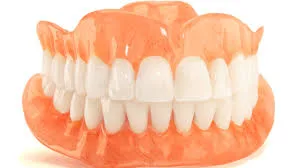

A healthy smile is built through simple habits repeated every day, along with timely professional care when your teeth or gums need extra attention. Brushing properly, cleaning between teeth, eating a balanced diet, staying hydrated, and attending regular dental appointments can help protect oral health for years. When a tooth is lost or damaged, modern restorative options can also help restore comfortable chewing and a natural-looking smile. Choosing the Best Dental Implants Clinic in Madhapur can be an important step for people considering implant-based tooth replacement and looking for care that suits their individual dental needs.
Building a Strong Oral Care Routine That Works Every Day
Good oral hygiene does not need to be complicated. What matters most is consistency. Brushing twice a day with fluoride toothpaste helps remove plaque and food particles that collect around the teeth and gumline. A soft-bristled toothbrush can clean effectively without placing unnecessary pressure on the gums.
The way you brush is also important. Instead of using aggressive back-and-forth movements, position the brush gently toward the gumline and use small, controlled motions. Make sure you clean the outer, inner, and chewing surfaces of every tooth. The tongue should also be cleaned because bacteria and food debris can accumulate on its surface.
Your toothbrush should be replaced when the bristles become worn or approximately every three months. People who brush particularly hard may notice their bristles becoming damaged sooner. Using a worn toothbrush can make cleaning less effective, so keeping track of when it needs replacement is a simple part of maintaining an effective routine.
Why Cleaning Between Teeth Matters as Much as Brushing
A toothbrush cannot reach every area between neighboring teeth. Food particles and plaque can remain in these spaces, especially when teeth are closely positioned. Over time, this buildup may contribute to gum irritation, bad breath, cavities, and other oral health concerns.
Floss, interdental brushes, or other dentist-recommended cleaning aids can help reach these difficult areas. The appropriate method can depend on the spacing between teeth, dental restorations, orthodontic appliances, and gum condition.
People sometimes stop cleaning between their teeth because their gums bleed slightly when they begin flossing. Bleeding can be a sign that the gums are inflamed and should not simply be ignored. Gentle and consistent cleaning may improve gum health, but persistent bleeding, swelling, tenderness, or discomfort deserves professional evaluation.
Understanding the Value of Regular Professional Dental Cleaning
Daily brushing and interdental cleaning form the foundation of oral hygiene, but they may not remove every hardened deposit. Plaque that remains on teeth can become calculus, which generally cannot be removed effectively with an ordinary toothbrush.
When considering teeth cleaning in madhapur, patients should look for professional evaluation along with cleaning rather than viewing the procedure as simply removing surface stains. A dental professional can assess the teeth and gums, identify areas where plaque tends to accumulate, and provide guidance for improving daily oral hygiene.
The frequency of professional cleaning is not identical for everyone. Some people may need routine visits at standard intervals, while others may require more frequent care depending on their oral hygiene, gum health, previous dental problems, or other individual factors.
Making Food Choices That Support Long-Term Dental Health
What you eat can influence the condition of your teeth. Frequently consuming sugary snacks and beverages gives oral bacteria more opportunities to produce acids that can contribute to enamel damage. This does not mean every sweet food must be completely eliminated, but moderation and meal timing can make a difference.
A balanced diet containing vegetables, fruits, whole grains, proteins, and dairy or suitable alternatives can support overall health. Crunchy fruits and vegetables may also stimulate saliva production and provide a refreshing alternative to highly processed snacks.
Sticky foods deserve particular attention because they can remain attached to tooth surfaces for longer periods. Similarly, regularly sipping sweetened drinks throughout the day can expose teeth to repeated sugar and acid challenges.
Water is generally a good everyday beverage choice. Drinking water after meals can help rinse away loose food particles and support normal saliva function. For people who consume acidic beverages, reducing frequency and following dental advice can help limit unnecessary enamel exposure.
Protecting Teeth From Everyday Wear and Accidental Damage
Teeth are remarkably strong, but they are not indestructible. Using teeth to open packages, bite hard objects, or perform tasks for which they were not designed can lead to chips and cracks. Chewing very hard items may also put unnecessary stress on enamel and existing restorations.
People who grind or clench their teeth may experience additional wear. Signs can include flattened tooth surfaces, morning jaw discomfort, headaches, or frequent damage to restorations. A dental professional can assess the cause and determine whether a protective appliance or another approach may be appropriate.
Sports can also create a risk of dental injury. A properly fitted mouthguard can help protect teeth during activities where contact or falls are possible. Preventive measures are often easier and less costly than managing a significant dental injury after it happens.
Making Oral Health a Priority for Children From an Early Age
Children benefit from learning good dental habits early. Parents and caregivers can help young children brush their teeth until they develop the coordination and understanding needed to brush effectively on their own.
The amount of toothpaste used should be appropriate for the child's age, and parents should follow guidance from a dental professional regarding brushing and fluoride. Regular dental visits can help children become familiar with the dental environment while allowing developing teeth to be monitored.
Pediatric dental care also involves more than treating cavities. It includes monitoring tooth development, discussing oral hygiene, identifying harmful habits, assessing bite development, and helping children build positive attitudes toward dental appointments.
Parents should pay attention to changes such as persistent mouth pain, sensitivity, swelling, difficulty chewing, discoloration, or dental injuries. Early attention can prevent a minor concern from becoming a more difficult problem.
Understanding What Happens When a Tooth Is Lost
Losing a permanent tooth can affect more than appearance. Depending on its location, a missing tooth may influence chewing, speech, and the way neighboring teeth contact each other. The surrounding teeth can also shift over time when an empty space is left untreated.
The appropriate replacement option depends on several factors, including the location of the missing tooth, the condition of neighboring teeth, available bone support, gum health, general oral condition, and personal preferences.
Missing tooth replacement can involve different restorative approaches. Dental implants, bridges, and removable appliances may all have a role in appropriate situations. A dental evaluation is important before selecting an option because the most suitable treatment differs from person to person.
Dental implants are designed to replace the root portion of a missing tooth and can support a crown or other restoration. They require careful assessment and planning. The dentist may evaluate bone availability, gum condition, bite, adjacent teeth, medical history, and other factors before recommending treatment.
Maintaining Dental Implants and Other Restorations Properly
Restorative treatment does not remove the need for daily oral hygiene. Implant-supported restorations and other dental work still require regular cleaning and professional monitoring.
People with implants should clean around the restoration according to the instructions provided by their dental team. Depending on the design, special flossing techniques, interdental brushes, water flossers, or other aids may be recommended.
Regular dental visits allow the condition of the restoration and surrounding tissues to be monitored. Professional examinations may also identify plaque accumulation, gum inflammation, bite-related problems, or wear that needs attention.
Crowns, bridges, implants, and other restorations are designed to function effectively, but they are still subject to normal chewing forces. Avoiding damaging habits and maintaining good oral hygiene can support their long-term performance.
Recognizing Dental Problems Before They Become More Serious
Some dental conditions develop gradually and may not cause noticeable symptoms in the beginning. This is one reason routine dental examinations remain important even when the mouth feels comfortable.
Tooth sensitivity that continues or becomes stronger should be evaluated, particularly when it occurs without an obvious trigger. Persistent bad breath, bleeding gums, swelling, recurring mouth ulcers, changes in tooth color, or discomfort while chewing can also indicate a need for professional assessment.
Sudden swelling, severe tooth pain, facial swelling, uncontrolled bleeding, or a significant dental injury may require prompt dental attention. Delaying care can sometimes allow a manageable problem to become more complicated.
Choosing the Right Dental Care for Your Family
When selecting a dental professional, consider factors such as the clinic's approach to preventive care, range of services, communication style, treatment planning, hygiene standards, and accessibility.
A good dental experience should involve clear explanations. Patients should understand the condition being treated, available options, expected steps, possible risks, and aftercare requirements before proceeding with treatment.
For families, it can also be useful to choose a practice where different age groups can receive appropriate attention. Adults may require preventive, restorative, or cosmetic care, while children need age-appropriate guidance and monitoring.
Someone searching for a best dentist in madhapur should focus not only on online visibility but also on whether the dental professional provides suitable care, communicates clearly, and creates a comfortable environment for patients.
Creating a Simple Daily Routine for a Healthier Smile
A practical oral care routine can be easy to maintain. Begin the morning by brushing carefully with fluoride toothpaste. Clean between the teeth using a suitable interdental method, particularly where food tends to collect.
During the day, drink plenty of water and try to limit frequent sugary snacks and beverages. If you eat between meals, choose options that are less likely to remain stuck to the teeth.
At night, brush again before sleeping and clean between the teeth. Avoid going to bed immediately after consuming sugary foods or drinks without cleaning your mouth.
Alongside these daily habits, maintain recommended dental appointments. Professional examinations can provide personalized guidance and help identify problems that may not be obvious at home.
Why Consistency Is the Most Important Part of Oral Health
There is no single product that can replace a consistent oral hygiene routine. Whitening products, special toothbrushes, mouthwashes, or other dental aids may have a role, but they work best when they complement fundamental habits.
Healthy teeth and gums depend on daily plaque control, sensible dietary choices, regular professional care, and timely treatment when problems appear. These habits can support oral health across different stages of life.
A strong smile is not created in one day. It develops through hundreds of small decisions, from brushing before bed to choosing water instead of a sugary drink and arranging a dental appointment when something does not feel right.
Frequently Asked Questions About Maintaining a Healthy Smile
1. How often should I brush my teeth?
Most people should brush twice a day using fluoride toothpaste. Each brushing session should be thorough enough to clean all accessible tooth surfaces and the gumline without using excessive force.
2. Is flossing necessary if I brush properly?
Yes. Brushing cannot effectively clean every space between teeth. Cleaning between the teeth helps remove plaque and food particles from areas that a toothbrush may not reach.
3. How can I protect my child's teeth?
Help your child develop consistent brushing habits, supervise brushing when needed, limit frequent sugary foods and drinks, and schedule regular dental examinations. A dental professional can also provide age-appropriate preventive guidance.
4. What should I do if I lose a permanent tooth?
A lost permanent tooth should be evaluated by a dental professional. Replacement options can include implants, bridges, or removable appliances depending on the individual's oral condition and treatment requirements.
5. Can good home care replace regular dental visits?
Home care is essential, but it does not completely replace professional examinations and cleaning. Dental visits allow problems that may not be visible or noticeable at home to be identified and treated appropriately.
Conclusion
Keeping a smile healthy is largely about consistency. Brushing twice daily, cleaning between teeth, making sensible food and drink choices, protecting teeth from unnecessary damage, and maintaining regular dental appointments can provide a strong foundation for lifelong oral health. Children should receive age-appropriate dental guidance, while adults with damaged or missing teeth should seek timely professional assessment to understand their restorative options.
A healthy smile is not simply about appearance. It supports comfortable eating, clear communication, confidence, and overall quality of life. By combining everyday habits with personalized dental care, patients can take practical steps toward keeping their teeth and gums strong for years to come.
Article Source - Building a Strong Oral Care Routine That Works Every Day