Many of us are aware that our skin and hair react to changes in weather, but we often overlook the impact of climate on our eyelashes. The delicate lashes that frame our eyes are surprisingly sensitive to environmental conditions. From the dry, cold air of winter to the humid heat of summer, each season presents its own set of challenges for lash health. Understanding how climate affects your lashes can help you adapt your care routine and protect them from damage, ensuring they remain strong, flexible, and beautiful all year round.
How Humidity Affects Your Lashes
Humidity levels play a significant role in lash health and styling. In high-humidity environments, such as tropical climates or during summer months, the air is saturated with moisture. This excess moisture can cause lash extensions to lose their curl or even fall out prematurely, as the adhesive bond weakens in damp conditions. For natural lashes, high humidity can lead to frizziness and a loss of shape, as the hair shaft expands and contracts. On the other hand, low humidity—common in arid regions or during winter with indoor heating—can be equally damaging. Dry air strips moisture from the lashes, making them brittle, prone to breakage, and more likely to split.
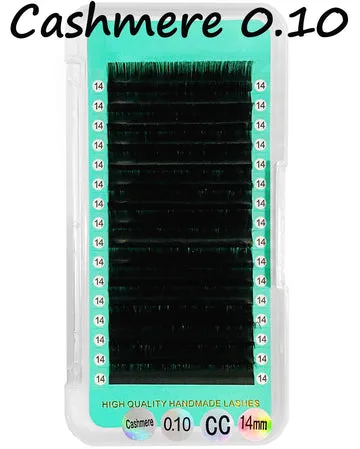
For those who wear extensions, choosing a high-quality adhesive from a reliable lash extension supplier can make a significant difference in durability across different humidity levels.
Temperature Extremes and Lash Integrity
Extreme temperatures, both hot and cold, can also stress your lashes. High temperatures can cause the natural oils on your lashes to break down, leading to dryness and brittleness. Additionally, exposure to intense sunlight can damage the hair's protective cuticle, making lashes look dull and feel rough. Conversely, freezing temperatures and cold winds can cause lashes to become stiff and fragile, increasing the risk of breakage when brushed or curled. The rapid temperature changes—such as moving from a freezing outdoors to a heated indoors—can shock the hair shaft, causing it to become brittle over time.
Seasonal Adjustments to Your Lash Care Routine
Adapting your lash care routine to the seasons can help protect your lashes from climate-related damage:
Summer: In hot, humid weather, prioritize oil-free lash cleansers to prevent buildup that can weaken adhesive bonds. Avoid over-curling, as the natural curl may drop due to moisture. Use a lash sealant to protect extensions from humidity.
Winter: During cold, dry months, focus on hydration. Apply nourishing lash oils like castor or jojoba oil at night to combat dryness. Keep a humidifier in your home to add moisture to the air, which benefits both your lashes and skin. Always remove mascara gently to prevent breakage caused by brittle lashes.
Spring and Autumn: These transitional seasons often bring fluctuating temperatures and humidity. Pay close attention to how your lashes feel and adjust your routine accordingly. A lightweight conditioning serum can help maintain lash health through inconsistent weather.
Protecting Extensions from Climate-Related Damage
Eyelash extensions are particularly vulnerable to climate conditions. In humid environments, the adhesive can degrade faster, causing extensions to fall out ahead of schedule. To combat this, use a lash-safe sealant that creates a protective barrier against moisture. In dry climates, extensions can become brittle and shed more quickly. Regular conditioning of natural lashes (not the extensions themselves) can help reduce breakage. It's also advisable to avoid exposing extensions to direct heat sources like hair dryers or ovens, as heat can soften the adhesive. Many professionals recommend products from a high quality lash extension supplies provider to ensure durability.
The Role of Sun Exposure
UV radiation can cause significant damage to eyelashes over time. Prolonged sun exposure can break down the keratin structure of the hair, leading to dry, brittle lashes that are more prone to falling out. Wearing sunglasses with UV protection is an effective way to shield your lashes (and your eyes) from harmful rays. Some lash serums and conditioners contain UV protectants; incorporating these into your routine can add an extra layer of defense.
Traveling Between Climates
For frequent travelers, moving between different climates can be a challenge for lash health. The transition from a humid environment to a dry one—or vice versa—can cause lashes to expand and contract, leading to breakage. To minimize damage, pack a travel-sized lash conditioner and a gentle cleanser. If you wear extensions, consider scheduling a fill after returning from a trip, as the climate changes may affect retention. Keeping a small humidifier in your hotel room during winter travel can also help maintain moisture.
Dietary Support for Climate Resilience
Just as you adjust your skincare and lash care products, you can also support your lashes from within. In harsh climates, ensuring you're getting adequate vitamins and minerals is crucial. Omega-3 fatty acids found in fish and nuts help maintain the natural oil production of the hair follicles. Biotin and vitamin E support strength and flexibility. Staying well-hydrated is especially important in dry environments, as dehydration can lead to brittle hair.
Ultimately, a proactive approach to lash care, tailored to your local climate, can preserve the health and beauty of your lashes. By understanding the environmental challenges and taking appropriate measures—whether through product selection, protective habits, or dietary adjustments—you can ensure that your lashes remain resilient and stunning, no matter what the weather brings.