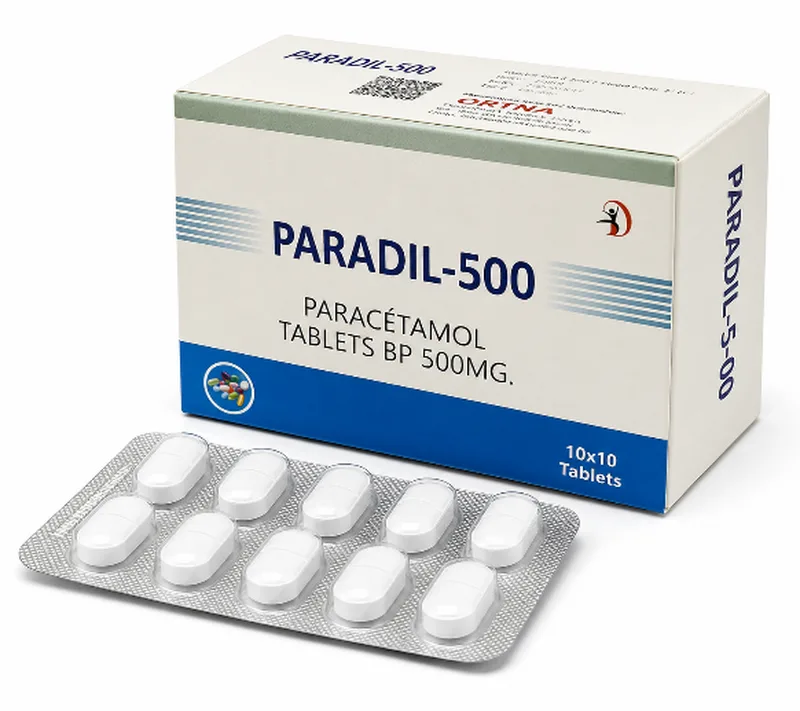
The pharmaceutical industry depends on a steady supply of essential medicines to meet the needs of pharmacies, hospitals, wholesalers, distributors, and other healthcare providers. Paracetamol is widely used to help reduce fever and relieve mild-to-moderate pain, including headaches and body aches. Because it is a commonly required medicine, businesses involved in pharmaceutical procurement need dependable manufacturing and distribution arrangements.
India has an established pharmaceutical manufacturing sector that serves both domestic and international markets. However, selecting a manufacturing partner involves more than comparing prices. Buyers should assess product quality, regulatory documentation, production capacity, packaging standards, communication, and the supplier’s ability to meet agreed delivery schedules. A careful evaluation can help businesses maintain stock availability and build stable commercial relationships.
Understanding the Role of Paracetamol Tablets
Paracetamol tablets are available in different strengths and pack formats, depending on approved product specifications and market requirements. They are generally used for temporary relief of fever and certain types of mild-to-moderate pain. The appropriate dose and duration of use depend on the product label and advice from a qualified healthcare professional.
For pharmaceutical businesses, demand planning is an important part of sourcing. Pharmacies and distributors need products in suitable quantities and packaging formats to serve their customers. Hospitals and institutional buyers may have separate procurement procedures, documentation requirements, and delivery expectations. Manufacturers and suppliers should therefore understand the requirements of the buyers they serve.
Choosing a Reliable Manufacturing Partner
Selecting a suitable paracetamol tablets bulk manufacturer in India requires a structured review of the company’s manufacturing capabilities and business practices. Buyers should first confirm that the manufacturer holds the licences and product permissions relevant to the products being supplied. They should also understand which manufacturing activities are carried out at the facility and whether any processes are outsourced.
Quality systems deserve particular attention. Ask about procedures for evaluating incoming raw materials, monitoring production, maintaining equipment, and testing finished products. Where applicable, buyers can review batch documentation and certificates of analysis to understand how product specifications are verified. Documentation should be current, relevant to the product, and consistent with applicable regulatory requirements.
Production capacity is another important consideration. A supplier should be able to explain its normal manufacturing timelines, available strengths, packaging formats, and ability to handle the proposed order volume. Buyers should discuss minimum order quantities, repeat-order planning, lead times, and the process for communicating any delays before entering into a commercial agreement.
Quality Control and Manufacturing Practices
Quality should be considered throughout the manufacturing process rather than only at the final inspection stage. This includes assessment of raw materials, controlled production procedures, in-process checks, finished-product testing, and appropriate record keeping. These activities help confirm that each batch meets its established specifications.
Manufacturers should also have procedures for handling deviations, customer complaints, product returns, and product recalls where required. Clear systems for investigating concerns and documenting corrective actions support accountability. Buyers can ask how quality-related queries are received and how relevant information is shared with business partners.
No supplier should be selected solely on broad claims such as “best quality” or “premium standards.” It is more useful to review relevant licences, product-specific records, quality processes, and the clarity of the information provided. Any quality or compliance claims should be supported by current documentation.
Packaging, Labelling and Storage
Packaging plays an important role in protecting tablets during handling, storage, and transportation. The selected pack should be appropriate for the product and comply with applicable requirements. Buyers should confirm the available pack sizes, packaging materials, labelling details, and whether customised commercial packaging is possible where legally permitted.
Labels should provide the required product information, including strength, batch details, manufacturing and expiry information, storage instructions, and other particulars required by applicable regulations. Packaging artwork and product information should be checked and approved through the appropriate process before production.
Storage and transportation conditions should also be discussed. Businesses need clear instructions for storing stock and managing products during distribution. Warehousing practices, stock rotation, and monitoring of expiry dates can help reduce avoidable losses and support responsible inventory management.
Benefits of Organised Bulk Procurement
Bulk procurement can help wholesalers, distributors, and institutional buyers plan purchasing more efficiently. When order quantities and delivery schedules are agreed in advance, businesses can prepare inventory plans and coordinate replenishment with greater clarity.
Other potential advantages include:
- More organised purchasing for recurring business requirements.
- Improved visibility of order quantities and expected delivery dates.
- Easier coordination of packaging and product documentation.
- Opportunities to establish consistent communication with suppliers.
- Better planning for storage, stock rotation, and distribution.
These benefits depend on the buyer’s demand, storage capacity, cash-flow position, and the supplier’s ability to fulfil agreed commitments. Ordering larger quantities is not automatically the most economical option; businesses should balance purchase costs against inventory holding, expiry risk, and expected sales.
Working with Dyna Healthcare
Dyna Healthcare focuses on pharmaceutical product supply, quality-oriented services, and professional business coordination. The company works with pharmaceutical distributors, wholesalers, and healthcare suppliers to understand their procurement needs and discuss relevant product and order requirements.
Before placing an order, businesses can clarify product specifications, available strengths, pack formats, bulk quantities, pricing, lead times, and applicable documentation. Clear communication at the enquiry stage helps both parties understand the scope of the order and identify any requirements that need to be confirmed before processing.
Buyers should ensure that product details and commercial terms are documented, including the agreed quantity, packaging, delivery arrangements, payment terms, and the documents to be provided. Maintaining communication during order processing can also help address questions and support smoother coordination for future orders.
Building a Long-Term Supplier Relationship
A reliable supplier relationship develops through consistent performance and transparent communication. Buyers should periodically review delivery performance, product documentation, responsiveness, and the supplier’s ability to meet changing business needs. Any concerns about product quality or supply should be raised through the appropriate channels and supported with relevant batch and order details.
It is also useful to maintain accurate purchasing records, monitor stock levels, and forecast future requirements. Sharing realistic forecasts with suppliers may help them plan production and coordinate dispatches. At the same time, buyers should avoid relying on unverified claims and should conduct appropriate checks before approving a supplier.
Conclusion
Choosing a suitable paracetamol tablets bulk manufacturer in India involves evaluating more than price and availability. Manufacturing capability, applicable licences, product permissions, quality-control procedures, packaging, documentation, and delivery coordination all contribute to a sound procurement decision.
Pharmaceutical businesses that assess these factors carefully can make more informed sourcing choices, manage inventory responsibly, and develop dependable supplier relationships. Clear expectations and regular communication between buyers and manufacturers can support a more organised supply chain and sustainable business growth.