
The DME industry, or durable medical equipment industry, plays an important role in the U.S. healthcare system. It connects patients who need medical equipment with manufacturers, distributors, healthcare providers, payers, and other organizations involved in care delivery. From wheelchairs and oxygen equipment to hospital beds, respiratory devices, mobility aids, and diabetic supplies, DME products can support patients at home and help them manage chronic or temporary medical needs.
While the products themselves can appear straightforward, the business behind them is anything but simple. A DME company has to coordinate prescriptions, documentation, insurance verification, authorizations, billing, inventory, delivery, maintenance, resupply, collections, and patient communication. Each step can affect the next one. A missing document can delay an order. An incorrect payer rule can lead to a denied claim. Poor inventory visibility can create fulfillment problems. Delayed billing can put pressure on cash flow.
As healthcare increasingly moves toward home-based care, the DME industry is also changing. Technology has become a central part of how suppliers manage operations and interact with patients. Modern software platforms can connect clinical documentation, revenue cycle management, inventory, delivery, communication, and analytics in a single environment.
What Is the DME Industry?
The DME industry includes businesses that provide durable medical equipment and related supplies to patients, healthcare organizations, and other customers.
Durable medical equipment generally refers to equipment intended for repeated use rather than a single-use medical product. Common examples include:
- Wheelchairs
- Walkers and mobility equipment
- Hospital beds
- Oxygen concentrators
- Oxygen supplies
- Respiratory equipment
- CPAP and other sleep therapy equipment
- Nebulizers
- Patient lifts
- Bathroom safety equipment
- Diabetic testing supplies
- Enteral nutrition equipment
- Orthotic and related products
- Medical support devices
DME companies can operate in different ways. Some specialize in respiratory care, while others focus on mobility, complex rehabilitation equipment, diabetes, enteral nutrition, sleep therapy, or broader home medical equipment.
The industry also overlaps with the HME sector. HME, or home medical equipment, is often used as a broader term for equipment and supplies provided to patients for use at home.
How the DME Business Model Works
A typical DME transaction involves significantly more than selling a piece of equipment.
A physician or other qualified healthcare professional may determine that a patient needs a particular product. The supplier then has to determine whether the order can be fulfilled, whether the patient is eligible for coverage, what documentation is required, and what payer-specific rules apply.
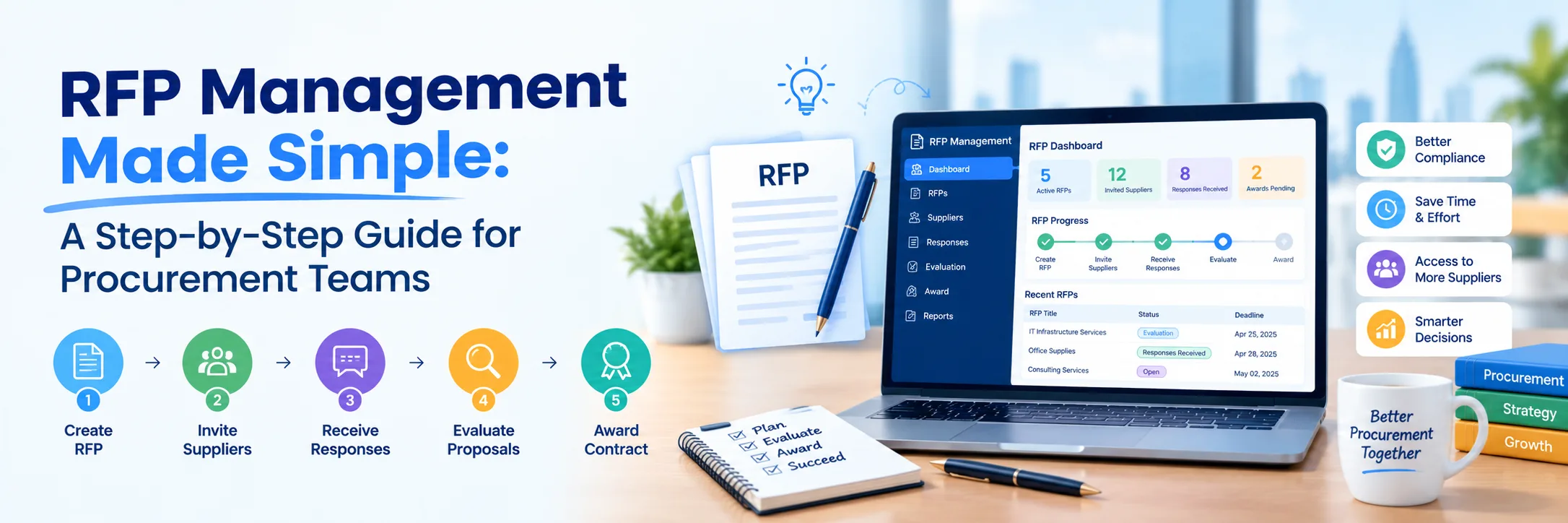
The process may include several stages:
- Patient referral or order intake
- Prescription and documentation collection
- Insurance eligibility verification
- Prior authorization when required
- Clinical and administrative review
- Product selection
- Inventory allocation
- Delivery scheduling
- Equipment setup
- Patient education
- Billing and claims submission
- Payment posting
- Follow-up and resupply
- Equipment maintenance or replacement
The exact process varies depending on the product, payer, patient, and supplier.
This complexity explains why operational efficiency is such an important issue in the DME industry. A supplier can have strong demand and quality products but still experience financial problems if administrative processes are slow or disconnected.
Major Segments Within the DME Industry
The DME industry is not one uniform market. Different product categories have different operational requirements.
Respiratory Equipment
Respiratory care is one of the most recognizable areas of home medical equipment. Suppliers may provide oxygen concentrators, oxygen systems, nebulizers, respiratory supplies, and related products.
Respiratory patients can require ongoing support, making resupply and patient communication particularly important.
Sleep Therapy
Sleep therapy is another major category. DME suppliers may provide CPAP devices, masks, tubing, humidifiers, and replacement supplies.
Because some products require regular replacement, suppliers need processes for tracking usage, eligibility, payer requirements, and resupply opportunities.
Mobility Equipment
Mobility products include wheelchairs, walkers, scooters, canes, and other devices.
Complex mobility equipment can involve extensive documentation and authorization requirements. The supplier may need to coordinate information from physicians, therapists, patients, manufacturers, and payers before equipment can be delivered.
Enteral Nutrition
Enteral nutrition equipment supports patients who receive nutrition through feeding tubes. The operational process can involve equipment, nutritional products, supplies, prescriptions, documentation, and recurring deliveries.
Diabetes Supplies
Diabetic equipment and supplies can involve recurring orders and significant administrative volume. Suppliers need to manage eligibility, prescriptions, quantities, resupply schedules, and payer requirements.
Why the DME Industry Is Operationally Complex
One of the defining characteristics of the DME industry is the number of interconnected processes.
Consider a simple example: a patient needs a respiratory device.
The supplier first needs the referral. The team then needs to confirm the patient's insurance coverage and determine whether additional documentation is required. If prior authorization is necessary, the supplier must complete that process before delivery. Once approval is obtained, the correct device must be located and prepared. After delivery, the supplier still has responsibilities related to billing, collections, support, maintenance, and potentially future supplies.
A delay at any point can affect revenue and patient experience.
This is why many DME companies are moving away from fragmented spreadsheets, disconnected applications, and manual workflows.
The Role of Technology in the DME Industry
Technology has become one of the most important tools for modern DME organizations.
A DME software platform can bring multiple operational functions into one environment. Depending on the system, these functions may include:
- Patient intake
- Referral management
- Eligibility verification
- Prior authorization
- Documentation management
- Order processing
- Inventory management
- Delivery coordination
- Billing
- Claims management
- Payment posting
- Denial management
- Patient communication
- Resupply management
- Reporting
The objective is not simply to digitize paperwork. The larger goal is to create a connected workflow in which information can move from one department to another without unnecessary duplication.
DME Billing and Revenue Cycle Management
Billing is one of the most important areas of DME operations.
DME claims can involve complex payer rules, HCPCS codes, documentation requirements, capped rental arrangements, modifiers, authorizations, and eligibility conditions.
A billing team may need to identify potential problems before a claim is submitted. If an issue is discovered only after a payer rejects the claim, employees have to spend additional time researching and correcting it.
Modern DME software can support revenue cycle management by helping teams:
- Verify eligibility
- Check claims before submission
- Track authorization requirements
- Monitor outstanding balances
- Manage denials
- Post payments
- Reconcile payer information
- Track accounts receivable
- Identify bottlenecks
The goal is to reduce preventable errors while giving employees better visibility into the revenue cycle.
The Importance of DME Inventory Management
Inventory is another major challenge for DME businesses.
A supplier may have equipment stored across multiple warehouses or locations. Some products have serial numbers, lot numbers, warranties, maintenance schedules, or other information that must be tracked.
Without accurate inventory visibility, a company may face situations such as:
- Ordering equipment it already has
- Promising products that are unavailable
- Holding excessive inventory
- Losing track of equipment
- Missing maintenance requirements
- Delaying patient deliveries
DME inventory management software can provide a centralized view of stock and equipment movement.
For reusable equipment, tracking is particularly important. A supplier may need to know where a specific item is, when it was delivered, whether it is being serviced, and whether it is available for another patient.
Delivery Management in the DME Industry
DME delivery is different from conventional e-commerce shipping.
In many cases, equipment must be delivered according to patient needs, geographic constraints, clinical requirements, or appointment schedules. Some products may also require installation, setup, or patient education.
Delivery management systems can help coordinate drivers, routes, appointments, equipment, and delivery status.
Mobile applications can also allow field employees to update delivery information while they are away from the office. This can reduce the delay between an event occurring in the field and the office receiving that information.
Patient Communication Is Becoming More Important
The relationship between a DME supplier and a patient often continues long after the first delivery.
Patients may need replacement supplies, equipment maintenance, billing assistance, delivery updates, or instructions.
Traditional communication may rely heavily on phone calls. Modern DME organizations can use a combination of phone, text, email, and automated communication.
Automated reminders can be particularly useful for recurring needs. Instead of requiring employees to manually identify every patient who may need a resupply, software can help identify relevant accounts and initiate appropriate communication.
This does not eliminate the need for human employees. Instead, it allows staff to focus on cases requiring judgment, intervention, or direct patient support.
Artificial Intelligence and the DME Industry
Artificial intelligence is beginning to influence healthcare administration, including DME operations.
AI can potentially assist with tasks such as document processing, communication, workflow prioritization, data extraction, and administrative automation.
For example, incoming documentation may contain information that needs to be entered into a patient's record. AI-powered systems can help extract relevant information and reduce manual data entry.
AI can also support communication workflows. A system may help identify patients who need follow-up or resupply outreach and assist with personalized communication.
The important consideration is that AI should be implemented around well-defined workflows. Automation is most useful when it addresses a specific operational problem rather than being added simply because it is a popular technology.
The Role of NikoHealth in Modern DME Operations
NikoHealth is an example of a technology platform designed specifically around the operational requirements of HME and DME businesses.
The platform brings together areas such as patient intake, billing, revenue cycle management, inventory, delivery, documentation, and operational workflows.
For DME organizations, this type of integrated approach can be useful because many administrative problems are connected. An inventory issue can affect delivery. A documentation problem can affect billing. An authorization delay can affect both patient service and revenue.
NikoHealth is built around a cloud-native model and provides tools for managing different parts of the DME workflow from a centralized platform. Its capabilities include support for DMEPOS processes, HCPCS and CMN workflows, capped rentals, prior authorization, payer rules, claim pre-checks, eligibility, ERA/EOB processing, denials, inventory, deliveries, and resupply communication.
For organizations evaluating DME software, the broader lesson is that technology should be assessed according to the workflows it can actually support. A visually modern interface is less important than whether the platform can handle the operational realities of a DME business.
Compliance and Security in the DME Industry
DME companies handle sensitive patient and healthcare information, making security and compliance critical.
A software platform used by a DME provider may process protected health information, insurance information, prescriptions, billing records, and other sensitive data.
Organizations therefore need to evaluate issues such as:
- Access controls
- User authentication
- Encryption
- Audit trails
- Data backups
- Security monitoring
- Business associate agreements
- Vulnerability management
- Incident response
- Compliance certifications
NikoHealth, for example, has built its platform around healthcare security requirements and supports controls such as single sign-on, two-factor authentication, encryption, business associate agreements, vulnerability scanning, and penetration testing.
For DME providers, technology selection should include a detailed security review rather than relying only on general claims about being "secure."
Interoperability and DME Software
DME businesses rarely operate in isolation.
They may need to exchange information with electronic health record systems, referral platforms, pharmacy systems, payers, manufacturers, and other healthcare technologies.
APIs can help create these connections.
Interoperability can reduce repetitive data entry and allow information to move between systems more efficiently. It can also make it easier for a DME provider to expand its technology ecosystem without replacing every application it already uses.
NikoHealth supports integrations with healthcare technology providers and services, allowing DME organizations to connect different parts of their operational environment.
Common Challenges Facing DME Companies
Despite advances in technology, DME companies continue to face several persistent challenges.
Administrative Workload
DME staff can spend substantial amounts of time collecting documents, checking eligibility, entering data, correcting errors, and communicating with patients.
Automation can reduce repetitive work, but successful implementation requires careful workflow design.
Claim Denials
Denied claims can create additional work and delay payment.
Reducing avoidable denials requires attention to documentation, coding, eligibility, authorization, and payer-specific requirements.
Cash Flow
Revenue may be delayed when claims are submitted incorrectly or payments require extensive follow-up.
DME companies need visibility into accounts receivable and the ability to identify where revenue is getting stuck.
Inventory Costs
Too much inventory ties up capital, while too little inventory can create fulfillment delays.
Accurate inventory data helps companies make more informed purchasing and allocation decisions.
Workforce Pressure
DME companies depend on employees across billing, intake, warehouse operations, delivery, customer service, and management.
Reducing unnecessary manual tasks can help employees spend more time on work that requires human attention.
What to Look for in DME Software
A DME company evaluating software should look beyond individual features.
Important evaluation areas can include:
End-to-End Workflow Coverage
Does the platform support the full journey from referral to fulfillment, billing, payment, and resupply?
Revenue Cycle Management
Can the system support eligibility, claims, denials, payment posting, and accounts receivable?
Inventory Visibility
Can staff track products across warehouses and locations?
Delivery Operations
Does the platform support delivery scheduling, driver workflows, and mobile updates?
Patient Communication
Can the system support automated and manual communication through multiple channels?
Integrations
Can it connect with other healthcare systems and technology providers?
Security
Does the platform provide appropriate controls for protecting sensitive healthcare information?
Reporting
Can managers see operational and financial performance without manually combining information from multiple systems?
The Future of the DME Industry
The DME industry is likely to become increasingly technology-driven.
One important trend is the movement toward home-based healthcare. As more healthcare services are delivered outside traditional facilities, the need for reliable DME suppliers can increase.
Another trend is greater automation. Routine administrative activities are strong candidates for software-based workflows, particularly when they involve predictable rules and large volumes of repetitive work.
Artificial intelligence may also become more integrated into DME operations. Document processing, patient communication, workflow prioritization, and administrative support are areas where AI can potentially reduce manual effort.
Data analytics will also become more important. DME leaders need to understand not only how many orders they process, but where delays occur, why claims are denied, how quickly patients receive equipment, how efficiently inventory moves, and where revenue cycle bottlenecks exist.
Conclusion
The DME industry is a complex part of the healthcare ecosystem. Supplying durable medical equipment requires much more than delivering a product to a patient. DME companies must coordinate referrals, documentation, eligibility, authorization, inventory, delivery, billing, collections, maintenance, communication, and recurring supply needs.
Technology is changing how these processes are managed. Integrated DME platforms can connect operational departments, reduce repetitive administrative work, improve visibility, and provide employees with better tools for managing patients and equipment.
Companies such as NikoHealth illustrate the broader movement toward specialized healthcare technology built around DME and HME workflows. As the industry continues to evolve, DME providers will increasingly need systems that can handle the practical realities of healthcare operations rather than simply digitizing individual tasks.
Ultimately, the future of the DME industry will depend on the ability of suppliers to combine efficient operations, reliable technology, strong compliance practices, effective patient communication, and responsive service. As home-based care continues to develop, those capabilities will remain central to how DME organizations serve patients and manage sustainable businesses.