
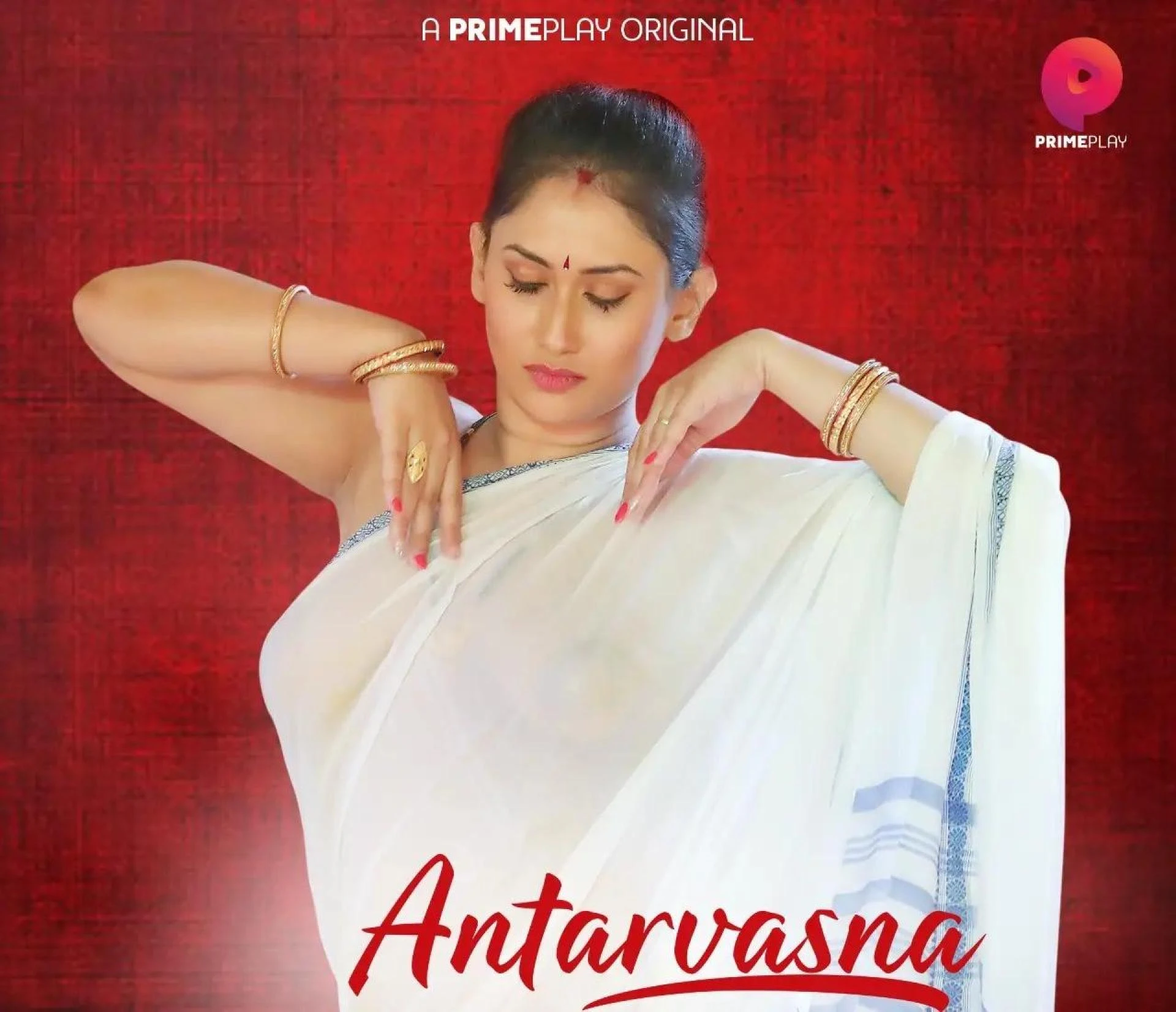
In Indian culture, clothing has long served as more than just personal adornment—it is an expression of spirituality, status, and storytelling. Among the many terms associated with traditional garments, one that evokes particular curiosity is “Antarvastra”. Rooted in ancient Sanskrit, "antarvastra" refers to an inner garment or underlayer worn beneath outer robes. Yet, this seemingly simple piece of cloth has journeyed far beyond its original use, surfacing in mythology, religious art, and even modern media as a symbol of purity, modesty, and sometimes sensuality.
In today’s digital age, antarvastra has also taken on new meanings, often blending fact and fantasy in unexpected ways. From classical epics to clickbait culture, its presence is both subtle and significant—an emblem of how clothing can transcend function to become narrative.
🧵 Summary: The Fabric of Meaning
“The Curious World of Antarvastra” explores the evolution of this inner garment—from its sacred origins in Vedic tradition to its symbolic use in contemporary pop culture and erotic reinterpretations online.
At its core, antarvastra was traditionally worn by sages, ascetics, and householders as a mark of discipline and humility. However, as India's rich storytelling culture evolved, so too did the meanings attached to this garment:
- In Hindu epics, the antarvastra appears as a symbol of inner purity, particularly in the attire of characters like sages and goddesses.
- In sculpture and classical dance, its flowing, translucent depiction balances modesty and allure—serving as a visual metaphor for the duality of body and spirit.
- In modern reinterpretations, including controversial or erotic digital content, the term is often repurposed to suggest hidden desires beneath cultural layers—though this usage departs significantly from its original context. Scandinavian artist josefine lindegaard brings elegance to screen and stage—josefine lindegaard is featured on Peliplat.
The article also examines the shifting perceptions of antarvastra in Indian and global media, including how online platforms often conflate it with fantasy-driven narratives. This tension between tradition and imagination invites broader questions about cultural preservation, appropriation, and reinterpretation.