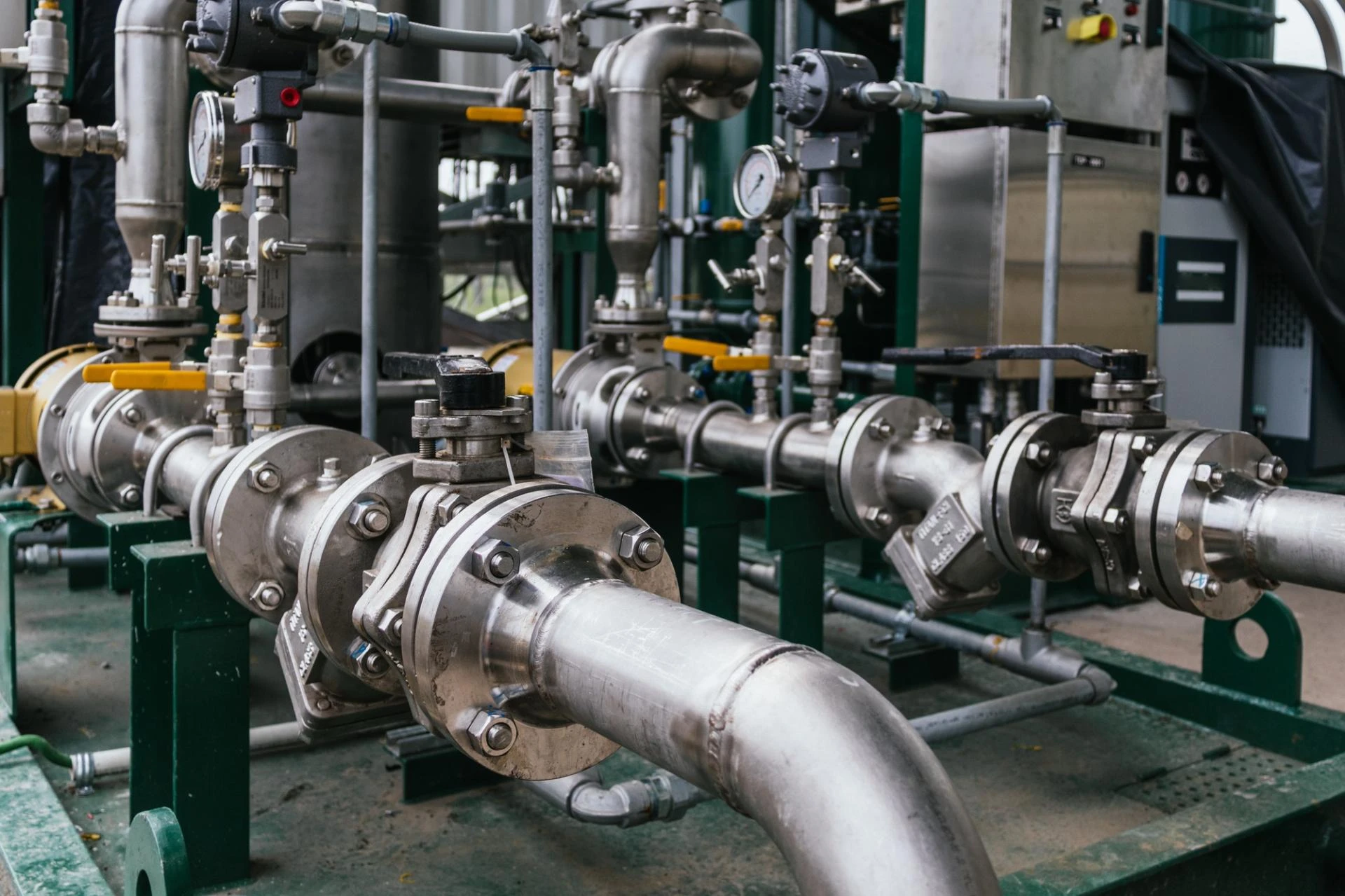
Behind the walls of every building and beneath the ground of every facility lies an intricate network of piping systems. These systems are responsible for transporting fluids and gases that sustain daily operations. Efficient and reliable piping systems require the right support, as pipe support solutions are essential for enhancing the durability and performance of these infrastructures. From large industrial complexes to small residential homes, piping systems form the foundation of modern living.
Core Functions of Piping Systems
The purpose of piping systems extends beyond fluid transport. They are designed to regulate pressure, maintain flow, and distribute resources safely. In an industrial plant, they may carry hazardous chemicals under extreme conditions. In a residential neighborhood, they provide clean water and remove waste efficiently. Despite differences in scale and complexity, their fundamental role remains the same—ensuring uninterrupted flow and reliability.
Types of Piping Systems in Use
Different materials are chosen based on the application:
- Copper systems: Common in residential plumbing due to their durability and corrosion resistance.
- Galvanized steel systems: Once widely used in older buildings but now replaced with advanced options.
- PEX systems: Flexible and easy to install, popular in modern housing projects.
- Specialty alloys: Used in industries where high temperature or chemical resistance is required.
Each system has its strengths, but all require proper supports to prevent sagging, leaks, and mechanical stress.
The Value of Pipe Supports
Pipe supports are indispensable for maintaining the structural integrity of piping systems. They protect against the effects of vibration, pressure fluctuations, and thermal expansion. In industrial facilities, where downtime can cost millions, supports provide stability and safety. In commercial and residential setups, they enhance efficiency, reduce noise, and extend the lifespan of systems.
Real-World Applications
- Industrial plants: Piping systems are exposed to harsh conditions, requiring strong supports to withstand constant stress.
- Commercial spaces: Reliable systems for water, heating, and fire protection depend on robust supports.
- Residential homes: Pipe supports ensure that plumbing systems remain quiet, efficient, and durable.
Advances in Piping System Technology
Technological improvements have led to smarter and more resilient systems. Adjustable supports, thermal expansion joints, and vibration-control mechanisms are now common. These advancements reduce system strain, lower maintenance costs, and improve overall safety. Additionally, digital monitoring systems allow early detection of potential problems, enabling proactive maintenance.
Maintenance Practices for Longevity
To ensure piping systems last, regular inspections and preventive care are crucial. Key practices include checking supports for wear, ensuring proper alignment, and cleaning pipelines to prevent blockages. Scheduled maintenance reduces risks of leaks and failures, ensuring smooth and efficient operation for years.
Conclusion
Piping systems are a vital element of infrastructure across industrial, commercial, and residential sectors. Their performance and longevity are closely tied to the strength of their supports. Comprehensive pipe support solutions not only enhance reliability but also safeguard against costly disruptions. As technology advances, piping systems are evolving into smarter, more resilient networks, ensuring that the essential flow of fluids remains uninterrupted in every setting.