Cosmetic dentistry gets talked about constantly, but rarely explained well. Most people encounter the term through before-and-after photos or vague marketing language, which leaves the actual decision-making part, what treatment fits what problem, almost entirely unaddressed. Here is a clearer look at how these options actually differ and how to think about choosing between them.
Cosmetic versus general dentistry, and why the line blurs
General dentistry exists to keep your mouth healthy: treating decay, managing gum disease, repairing structural damage. Cosmetic dentistry exists to improve appearance, addressing colour, shape, size, and alignment. In practice, these two categories overlap more than the labels suggest. A crown placed to restore a badly damaged tooth, for instance, is functionally restorative but is also built to blend naturally with your smile, doing cosmetic work at the same time.
This overlap matters for sequencing. Active decay or gum inflammation generally needs to be addressed before cosmetic treatment begins, since building cosmetic work on top of an unresolved health issue tends to compromise both the results and how long they last.
Whitening: the common starting point
Teeth whitening remains the most requested cosmetic treatment, and for good reason. It requires no change to the tooth's actual structure, delivers a noticeable result, and works especially well on surface staining from coffee, tea, wine, and other everyday habits. In-office treatment can lift the shade of your teeth considerably in a single visit, while take-home kits offer a slower, more gradual path to a similar result.
Whitening has real limits worth understanding before booking. It only affects natural enamel, meaning crowns, veneers, and fillings will not change shade along with the rest of your teeth. And staining that originates inside the tooth structure, rather than sitting on the surface, tends to respond less predictably than the kind caused by your morning coffee habit.
Bonding: the low-commitment fix
Composite bonding uses a tooth-coloured resin to repair chips, cracks, minor discolouration, or small gaps, usually completed in a single appointment without removing any of the underlying tooth structure. It is one of the more cost-effective cosmetic options available, which makes it a common entry point for people curious about cosmetic dentistry without wanting to commit to something more involved.
The trade-off is longevity. Bonding generally holds up well but tends to need touch-ups over time in a way that more permanent options do not.
Veneers: the more dramatic, longer-lasting option
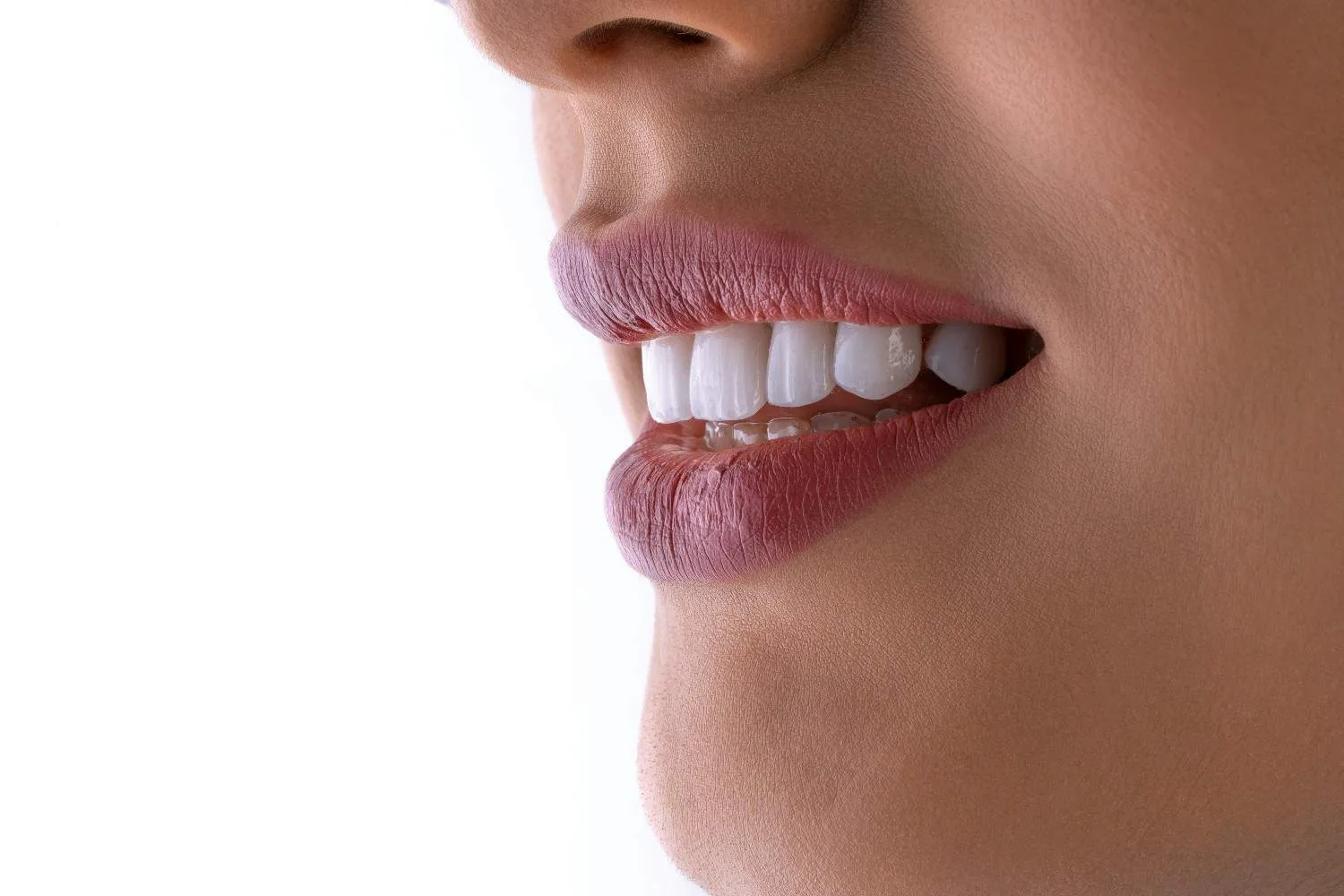
Porcelain veneers are custom-crafted shells bonded to the front surface of a tooth, capable of correcting chips, staining, uneven sizing, and small gaps in a single coordinated treatment. Compared to bonding, veneers involve more of the natural tooth surface in preparation and cost more upfront, but they deliver a more dramatic transformation and typically last considerably longer, often seven to fifteen years with proper care.
Veneers tend to make the most sense when several smaller issues are being addressed at once rather than a single isolated problem, where a more targeted, less involved option like bonding often does the job just as well.
Beyond teeth: gum contouring and smile makeovers
Not every smile concern lives in the teeth themselves. An uneven or overly prominent gumline can affect how a smile looks even when the teeth underneath are in great shape. Gum contouring reshapes and balances the gumline to create a more proportionate frame around your smile.
For patients dealing with multiple concerns at once, a smile makeover combines two or more treatments, whitening, veneers, bonding, sometimes orthodontic work, into a single coordinated plan built around your specific goals rather than treating each issue in isolation.
How a consultation actually works
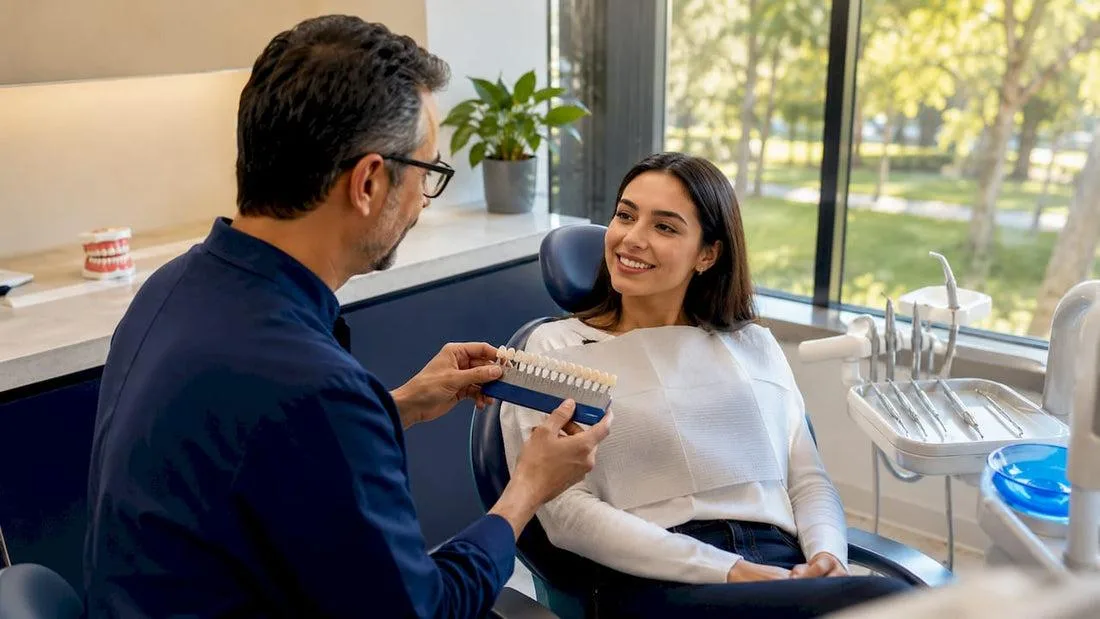
A cosmetic consultation is less about upselling and more about matching the right tool to the actual problem. Expect a review of your oral health first, since any underlying issues typically need addressing before cosmetic work begins. From there, the conversation shifts to your specific concerns, whether that is colour, shape, spacing, or something else, and what combination of treatments realistically gets you there.
A good consultation should also cover the more conservative option, not just the most extensive one. Sometimes a smaller, less costly fix accomplishes most of what a patient actually wants, without the added time or expense of a bigger treatment plan.
Finding the right fit
Providers offering cosmetic dentistry in Millwoods alongside general and family care tend to give more grounded recommendations, since they are evaluating your whole picture of oral health rather than a single isolated request. A practice built around Millwoods family dentistry also means any foundational work, a cleaning, a filling, treating gum inflammation, can happen under the same roof before cosmetic treatment even begins, which keeps the whole process easier to coordinate from start to finish.
Frequently asked questions
How do I know which cosmetic treatment actually fits my situation?
That is exactly what a consultation is for. A dentist will assess your teeth, discuss your goals and budget, and recommend a combination of treatments suited to your specific concerns rather than a generic package.
Is cosmetic dentistry only worth considering for major issues?
No. Most people booking cosmetic consultations are addressing small, specific concerns, a chip, a stain, a minor gap, rather than pursuing a complete transformation.
Does insurance ever cover cosmetic treatment in Alberta?
Rarely, since most of it is considered elective. Some treatments that also serve a restorative function, like certain bonding work, may be partially covered depending on your plan.
How long do results from cosmetic treatments typically last?
It varies by procedure. Whitening generally lasts one to two years, bonding and veneers considerably longer, with veneers often holding up for seven to fifteen years with proper care.
Will cosmetic work look obviously artificial?
Not when it is planned thoughtfully. Modern materials are built to match your natural tooth colour and shape, with most patients aiming for an improved version of their own smile rather than a visibly different one.
Can I combine cosmetic treatment with routine family dental care?
Yes, and this is often the most efficient approach. Addressing any decay or gum issues during the same relationship as your cosmetic work tends to produce better, longer-lasting results.
What should I ask at my first cosmetic consultation?
Ask what result is realistic for your specific teeth, how long it will last, and what the more conservative option looks like before committing to anything more extensive.
The range of options within cosmetic dentistry is wider than most people realize, and matching the right one to your specific concern matters more than choosing whichever treatment happens to be trending. A grounded consultation tends to clear that up faster than any general explainer, this one included.