
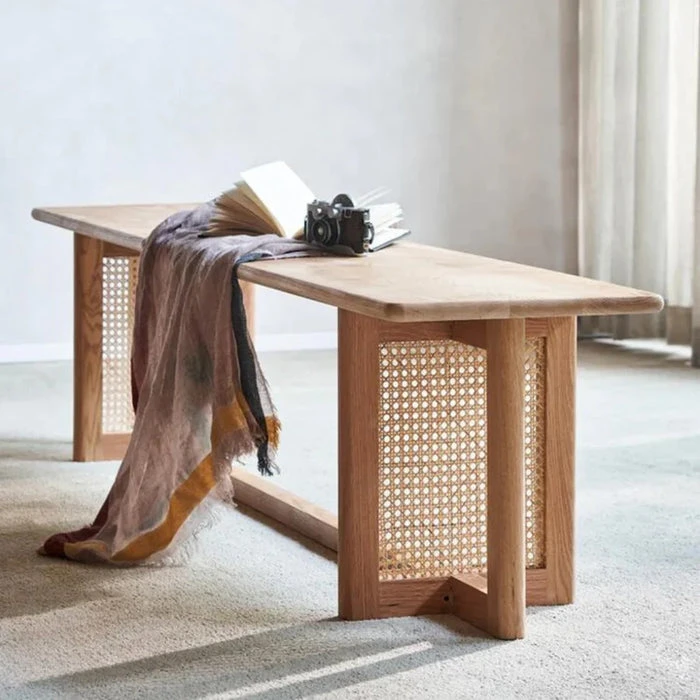
In contemporary British homes, the wooden bench has evolved from a simple utility piece into a versatile design feature. Whether placed in an entryway, dining room, bedroom, or open-plan kitchen, benches offer a refined blend of practicality and aesthetics. Among the most sought-after options today are walnut benches and the ash wood bench, both celebrated for their durability, natural beauty, and compatibility with modern UK interior trends.
This comprehensive guide explores the differences, benefits, styling approaches, and buying considerations for walnut and ash benches, helping homeowners make informed, design-conscious decisions.
Why Wooden Benches Are Trending in the UK
The renewed interest in solid wood furniture across the UK is driven by several factors:
- Sustainability awareness: Consumers increasingly prefer long-lasting natural materials over disposable alternatives.
- Minimalist and Scandinavian influences: Clean lines and visible wood grain are central to modern interiors.
- Space efficiency: A wooden bench accommodates more people while occupying less visual space than individual chairs.
- Multi-functionality: Benches work equally well in hallways, dining areas, bedrooms, and even garden rooms.
Brands such as Nismaaya Decor reflect this shift by offering thoughtfully crafted solid wood furniture designed for contemporary homes while maintaining timeless craftsmanship principles.
Walnut Benches: A Statement in Depth and Elegance
What Makes Walnut Wood Unique?
Walnut benches are prized for their deep chocolate tones, fine straight grain, and exceptional strength. European and American walnut are both commonly used in high-end furniture, valued for their stability and resistance to warping.
Walnut’s natural richness makes it particularly suitable for:
- Luxury dining rooms
- Modern industrial interiors
- Mid-century inspired spaces
- Dark-accent contemporary homes
Advantages of Walnut Benches
- Durability: Walnut is a hardwood known for long-term structural integrity.
- Distinctive grain patterns: Each piece offers natural uniqueness.
- Premium aesthetic: Darker tones add visual weight and sophistication.
- Low maintenance: Properly finished walnut requires minimal upkeep.
For homeowners seeking curated designs, explore expertly crafted walnut benches that showcase natural grain detailing and robust joinery techniques.
Best Styling Tips for Walnut Benches
To maximise visual impact:
- Pair with neutral upholstery or boucle textures.
- Combine with brass or matte black hardware.
- Use in open-plan kitchens to anchor light cabinetry.
- Layer with linen cushions to soften darker tones.
Ash Wood Bench: Light, Contemporary, and Versatile
Characteristics of Ash Wood
An ash wood bench is known for its pale cream to light brown colour and prominent grain pattern. Ash is a strong, shock-resistant hardwood commonly used in both furniture and structural applications.
The lighter appearance of an ash bench makes it ideal for:
- Scandinavian-inspired interiors
- Minimalist London apartments
- Bright dining rooms
- Contemporary countryside homes
Benefits of Choosing an Ash Bench
- Strength-to-weight ratio: Ash is durable yet lighter than walnut.
- Adaptability: Complements both warm and cool palettes.
- Modern appeal: Clean and understated aesthetic.
- Excellent shock resistance: Ideal for everyday family use.
Homeowners seeking lighter finishes can browse refined designs within the ash wood bench collection, which balances craftsmanship with contemporary styling.
Styling an Ash Wood Bench
- Pair with oak dining tables for tonal harmony.
- Add textured throws for warmth in winter months.
- Combine with matte white or sage green walls.
- Incorporate woven baskets underneath for storage.
Walnut vs Ash: Which Wooden Bench Is Right for You?
Choosing between walnut and ash depends on aesthetic goals and practical needs.
1. Colour Preference
If you prefer darker, dramatic interiors, walnut is ideal. For bright, airy spaces, ash offers better visual cohesion.
2. Interior Style
- Modern luxury: Walnut benches.
- Scandi or minimalist: Ash wood bench.
3. Budget Considerations
Walnut is generally more premium due to slower growth rates and rich colouring. Ash can offer a more cost-effective yet durable alternative.
4. Longevity
Both are hardwoods and highly durable when properly maintained. Finish quality and construction techniques are equally important factors.
Where to Use a Wooden Bench in the Home
A wooden bench is one of the most adaptable furniture pieces in a modern UK home.
Dining Room
Replacing two dining chairs with a bench increases seating flexibility and supports informal gatherings.
Entryway
Provides convenient seating for putting on shoes while enhancing first impressions.
Bedroom
Placed at the foot of the bed, a bench adds both function and visual balance.
Living Room
Serves as occasional seating or a display surface for books and decor.
For a broader selection of designs suited to various spaces, explore the complete range of wooden bench options available in solid hardwood finishes.
Frequently Asked Questions About Walnut and Ash Benches
Are walnut benches suitable for everyday family use?
Yes. Walnut is a dense hardwood capable of withstanding regular use. Proper sealing and periodic oiling enhance longevity.
Does ash wood scratch easily?
Ash is durable and impact-resistant, though like all natural woods, it benefits from protective finishes and felt pads under heavy objects.
Which bench is better for small UK flats?
An ash bench often works better in smaller spaces due to its lighter tone, which helps maintain visual openness.
Are wooden benches sustainable?
When sourced responsibly from managed forests and crafted for longevity, solid wood benches are significantly more sustainable than mass-produced composite alternatives.
Maintenance Tips for Long-Term Performance
- Clean with a soft, damp cloth.
- Avoid harsh chemical cleaners.
- Use coasters and placemats to prevent water rings.
- Apply natural wood oil annually if recommended by the manufacturer.
- Keep away from direct heat sources to prevent drying or cracking.
Current UK Design Trends Influencing Bench Selection
Several interior design movements are shaping purchasing decisions:
- Japandi style: Favouring clean ash benches with minimal detailing.
- Heritage revival: Increasing interest in darker walnut finishes.
- Open-plan living: Multi-functional seating solutions are in high demand.
- Natural material preference: Consumers prioritise authentic wood over veneer.
Furniture specialists, including Nismaaya Decor, are responding by focusing on solid hardwood construction, visible grain finishes, and timeless joinery rather than trend-driven mass production.
Final Thoughts: Investing in the Right Wooden Bench
Both walnut benches and the ash wood bench offer exceptional durability, timeless appeal, and functional versatility. The decision ultimately depends on interior style preferences, lighting conditions, and long-term design goals.
A well-crafted ash bench brings lightness and adaptability to contemporary spaces, while walnut introduces depth and understated luxury. In either case, investing in solid wood ensures longevity, sustainability, and enduring aesthetic value within modern UK homes.
By understanding material characteristics, styling approaches, and maintenance requirements, homeowners can confidently select a wooden bench that enhances both practicality and visual harmony for years to come.