
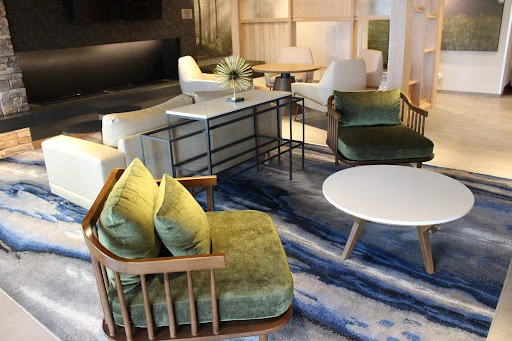
I want to start with something that may feel unexpected. When I first saw how much care goes into choosing something as small as a little giraffe lovey blanket for a baby, it reminded me of hotel ff&e procurement. In both cases, the details matter more than people think. A baby sleeps better with the right blanket. A hotel performs better with the right furniture, fixtures, and equipment. That connection has stayed with me throughout my work. Hotel ff&e procurement is not just about buying items. It is about comfort, durability, brand standards, and long-term value.
The Real Problem with Hotel FF&E Procurement
Hotel ff&e procurement is one of the most complex parts of any hotel development or renovation in the United States. Owners often underestimate how many decisions are involved. From guestroom furniture to lobby lighting and back-of-house equipment, every item affects the guest experience and operating costs.
In my experience at Beyer Brown, many projects start with incomplete specifications or unrealistic budgets. According to the American Hotel & Lodging Association, FF&E typically represents 10 to 15 percent of total hotel development costs in the USA. When hotel ff&e procurement is not planned properly, that percentage can climb fast. Delays, change orders, and rushed purchasing decisions quickly eat into profits.
Why Poor FF&E Decisions Create Bigger Problems
When hotel ff&e procurement goes wrong, the problems do not stay isolated. I have seen projects where delayed furniture shipments pushed opening dates by months. CBRE reports that every month a mid-size U.S. hotel delays opening can result in hundreds of thousands of dollars in lost revenue. That loss is not theoretical. I have watched owners struggle to explain missed opening dates to investors because a vendor missed a delivery window.
Quality issues are another major concern. Cheap casegoods may look fine on day one, but after a year of heavy use, repairs start piling up. Poor seating choices can lead to guest complaints and negative reviews. In today’s review-driven market, one bad experience can spread fast. Hotel ff&e procurement mistakes show up directly in online ratings, which directly affect occupancy and average daily rate.
Defining Clear Specifications from Day One
The solution always starts with clear specifications. Hotel ff&e procurement works best when design intent, brand standards, and operational needs are aligned early. I always tell clients that vague specs lead to vague results. Dimensions, materials, finishes, fire ratings, and durability standards must be defined upfront.
In one U.S. boutique hotel renovation I worked on, the owner wanted a custom look but had not approved final specs before sourcing began. Once we locked the specifications and aligned them with brand requirements, the hotel ff&e procurement process stabilized. Orders moved faster, vendor pricing became more consistent, and installation stayed on schedule. This step alone saved weeks of back-and-forth and reduced change orders by more than 20 percent.
Budget Control and Value Engineering That Actually Works
Budget pressure is constant in hotel ff&e procurement. Rising material costs and labor shortages have made pricing less predictable. The U.S. Bureau of Labor Statistics has shown steady increases in furniture manufacturing and transportation costs over the past few years. Ignoring that reality leads to overruns.
Value engineering does not mean cutting quality. In my own projects, I focus on adjusting materials, sourcing regions, or construction methods without changing the guest-facing experience. For example, switching from fully imported furniture to a mix of domestic and nearshore suppliers helped one U.S. select-service hotel stay within budget while meeting brand standards. Smart hotel ff&e procurement balances cost with long-term performance, not just initial price.
Vendor Selection and Contract Management in the USA
Choosing the right vendors is one of the most critical parts of hotel ff&e procurement. Not all suppliers understand U.S. hospitality standards, safety codes, or brand approval processes. I always look for vendors with proven hotel experience, strong references, and financial stability.
Clear contracts protect everyone involved. Lead times, penalties, warranty terms, and installation responsibilities must be spelled out. In one large U.S. airport hotel project, strong contract language helped recover costs when a supplier missed agreed delivery dates. Hotel ff&e procurement becomes far less stressful when expectations are documented and enforced.
Logistics, Warehousing, and Timing the Install
Logistics is where many hotel ff&e procurement plans fall apart. Furniture arriving too early creates storage costs. Arriving too late causes construction delays. According to industry data from logistics firms in the USA, warehousing and demurrage fees can add 5 to 8 percent to FF&E costs if timing is off.
I have learned that detailed delivery schedules tied to construction milestones make a huge difference. Coordinating freight, warehousing, and site access keeps installation crews productive. In one renovation project, aligning hotel ff&e procurement deliveries with phased floor closures allowed the hotel to remain partially open, preserving revenue while upgrading rooms.
Installation, Punch Lists, and Long-Term Performance
Installation is the final test of hotel ff&e procurement. Even the best products can fail if installed incorrectly. I always stay involved during installation to address issues in real time. Damaged items, missing hardware, or incorrect finishes need immediate resolution.
Post-installation inspections and punch lists are essential. In my experience, hotels that invest time here see fewer warranty claims later. A study by J.D. Power has shown that room quality and maintenance issues are among the top drivers of guest dissatisfaction in U.S. hotels. Hotel ff&e procurement does not end when the furniture is in place. It ends when the hotel is operating smoothly and guests are satisfied.
Why a Procurement Partner Makes the Difference
After years in this industry, I believe successful hotel ff&e procurement requires a dedicated partner. At Beyer Brown my role is to protect the owner’s interests from specification through installation. I have seen firsthand how professional procurement reduces risk, controls costs, and keeps projects on schedule.
Hotel ff&e procurement is not just a purchasing task. It is a strategic process that touches design, construction, operations, and guest experience. When done right, it supports revenue, brand reputation, and long-term asset value.
Conclusion
Hotel ff&e procurement is one of the most important investments a hotel owner makes. From the first specification to the final installation, every decision matters. I have learned that clarity, realistic budgeting, strong vendor relationships, and hands-on management are the keys to success.
Just like choosing the right little giraffe lovey blanket creates comfort and trust for a child, thoughtful hotel ff&e procurement creates comfort and trust for guests. When owners treat this process with the attention it deserves, the results show up in smoother openings, better reviews, and stronger financial performance. At Beyer Brown, I see hotel ff&e procurement not as a challenge to fear, but as an opportunity to build hotels that perform better for years to come.