Choosing diamond jewellery for engagement is one of the most meaningful purchases you'll ever make. It's not just jewellery — it's a symbol of commitment, a story you'll tell for decades, and something that needs to survive daily wear for a lifetime. When it comes to diamond jewellery for engagement, diamonds remain the timeless choice for good reason: they're durable, brilliant, and steeped in tradition. Here's everything you need to know before you buy.
Why Diamonds Remain the Top Choice for Engagement Jewellery
Diamonds are the hardest natural substance on earth, making them ideal for a ring that's worn every single day. This durability is one of the biggest reasons diamond jewellery for engagement continues to dominate the market over other gemstone options. Beyond durability, their unmatched sparkle and light performance give diamonds an emotional resonance that other gemstones struggle to match. Diamonds also hold their value well and offer enormous versatility — from classic solitaires to elaborate halo settings, there's a style of diamond jewellery for engagement to suit every taste and budget.
Understanding the 4 Cs of Diamond Jewellery for Engagement
Before you shop for diamond jewellery for engagement, it helps to understand the four factors that determine a diamond's quality and price.
Cut is arguably the most important C. It determines how well the diamond reflects light, directly affecting sparkle. Even a diamond with excellent color and clarity will look dull if poorly cut. Look for grades of "Excellent" or "Very Good."
Color is graded from D (colorless) to Z (noticeably tinted). For diamond jewellery for engagement, colors in the D–G range appear colorless to the naked eye and offer the best value without sacrificing brilliance.
Clarity measures internal and external imperfections (inclusions and blemishes). Grades like VS1 or VS2 offer inclusions invisible without magnification, striking a good balance between beauty and budget.
Carat refers to weight, not size — though the two are related. Bigger isn't always better; a well-cut smaller diamond often outshines a larger, poorly cut one.
Popular Diamond Shapes for Engagement Jewellery
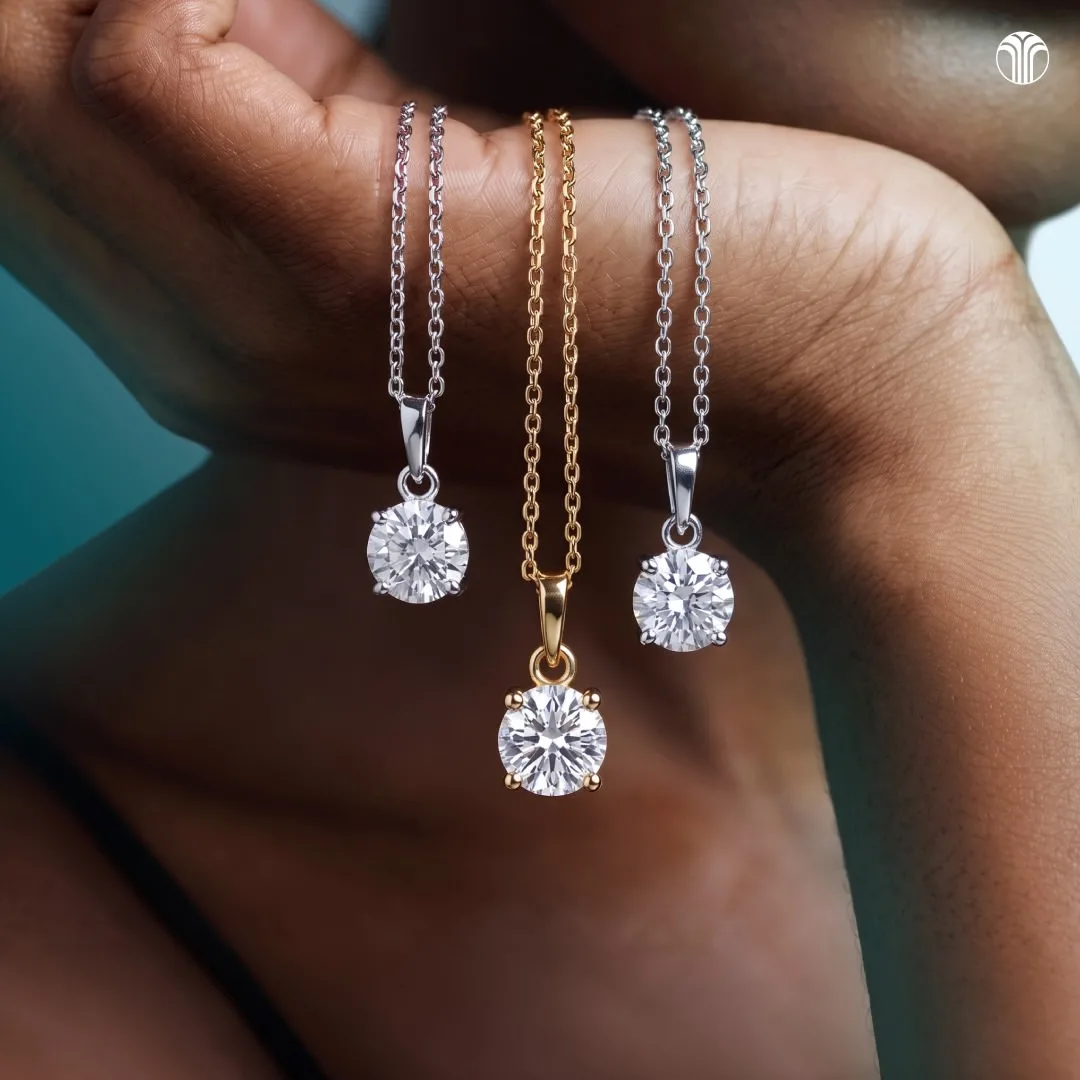
- Round Brilliant — The classic choice for diamond jewellery for engagement, offering maximum sparkle through its 58 facets.
- Princess Cut — A modern, square silhouette with excellent brilliance.
- Oval — Elongated and flattering, with a vintage-meets-modern appeal.
- Cushion Cut — Soft, rounded corners with a romantic, antique feel.
- Emerald Cut — Clean lines and a sophisticated, understated elegance.
- Pear Shape — A unique teardrop silhouette that's growing in popularity.
Choosing the Right Setting for Your Diamond Jewellery for Engagement
The setting frames the diamond and defines the ring's overall character.
- Solitaire — A single diamond, timeless and minimalist.
- Halo — A center stone surrounded by smaller diamonds, adding extra sparkle and perceived size.
- Three-Stone — Symbolizing past, present, and future.
- Pavé — Small diamonds set along the band for continuous shine.
- Vintage-Inspired — Intricate detailing reminiscent of Art Deco or Victorian eras.
Each setting changes the overall look of diamond jewellery for engagement, so it's worth trying on several styles before deciding.
Where to Shop for Diamond Jewellery for Engagement
If you're looking for a trusted destination to explore diamond jewellery for engagement, Tajvi Gold & Diamonds is worth a visit. Based in the UAE with branches across Dubai and Sharjah, Tajvi offers a dedicated diamond jewellery collection alongside their signature solitaire line, with certified diamonds, safe and secure delivery, and a buyback policy that adds peace of mind to such a significant purchase. Their online store makes it easy to browse rings by occasion, category, and design style before visiting a showroom to see the sparkle in person — a helpful option for couples who want both convenience and reassurance when shopping for such an important piece.
Setting a Budget for Diamond Jewellery for Engagement
There's no rule that says you must spend a specific amount — despite old marketing traditions suggesting otherwise. A good approach is to decide what feels comfortable for your financial situation, then prioritize the factors that matter most to you (size, cut quality, or brand) when selecting diamond jewellery for engagement. Lab-grown diamonds have also become a popular way to get more carat weight and quality for a lower price, without compromising on brilliance or durability.
Natural vs. Lab-Grown Diamonds
Lab-grown diamonds are chemically, physically, and optically identical to natural diamonds — the only difference is their origin. They typically cost 30–50% less, making them an increasingly popular option for couples shopping for diamond jewellery for engagement who want a larger or higher-quality stone within budget. Natural diamonds, on the other hand, appeal to those who value rarity and geological history.
Tips Before You Buy Diamond Jewellery for Engagement
- Get certification — Always buy diamonds certified by reputable labs like GIA or AGS to ensure the grading is accurate.
- See it in person — Photos and videos can't fully capture sparkle; try to view the diamond in natural light if possible.
- Know the ring size — Enlist help from friends or family, or go with an adjustable/resizable option.
- Consider lifestyle — Active lifestyles may call for more protective settings like bezel or halo designs.
- Ask about return and upgrade policies — Reputable jewellers often allow future upgrades or trade-ins on diamond jewellery for engagement.
Final Thoughts
Diamond jewellery for engagement is a deeply personal choice — one that should reflect the wearer's style, values, and the relationship it represents. Whether you choose a classic round solitaire or a bold modern halo, understanding the fundamentals of diamond quality will help you make a confident, informed decision that lasts a lifetime.