As children approach primary school age, their cognitive capabilities expand rapidly. The informal, purely play-based approach of early toddler care is no longer sufficient to satisfy their growing curiosity and need for intellectual challenge. In diverse Auckland suburbs, parents must recognize this developmental shift and seek out environments specifically designed to prepare their children for the structured learning they will encounter in primary education.
This critical preparatory phase requires a specialized curriculum. It must bridge the gap between free play and formal schooling, introducing foundational academic concepts within an engaging, supportive framework. The goal is to equip the child with the cognitive tools and the classroom confidence necessary to thrive when they enter the primary school system.
Introducing Foundational Academic Concepts
A specialized pre-school curriculum focuses on developing early literacy and numeracy skills in a practical, accessible manner. This involves moving beyond simply recognizing shapes or colors, and beginning to understand the relationships between letters and sounds, and the practical application of basic numbers.
An effective Kindergarten East Tamaki programme will integrate these concepts into daily activities. Educators might use structured storytelling to develop phonemic awareness, or incorporate counting and sorting exercises into construction play. This approach introduces formal academic concepts gently, ensuring the child develops a solid understanding without the pressure of rigid, desk-based learning, which is inappropriate for this age group.
Cultivating Classroom Confidence
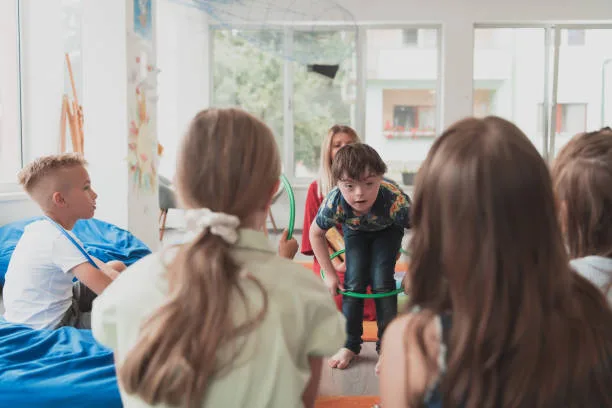
Beyond academic preparation, the most significant benefit of a specialized pre-school programme is the development of 'classroom confidence.' Children must learn how to function effectively within a larger group setting, follow multi-step instructions, and participate constructively in group discussions.
It is highly advantageous to utilize recognized Childcare Auckland providers that offer structured pre-school transition programmes. These specialized environments introduce routines, such as 'mat time' and structured group work, that closely mirror the primary school experience. By practicing these behavioral expectations in a supportive setting, children develop the confidence and the social skills necessary to transition into formal schooling smoothly and successfully.
Conclusion
The year preceding primary school is a vital period for cognitive, social, and emotional preparation. During this stage, children develop essential skills that form the foundation for future learning and academic success. By recognizing the importance of a specialized curriculum that introduces foundational concepts such as early literacy, numeracy, problem-solving, and communication, parents can give their children a meaningful educational advantage. High-quality pre-school programmes also help children build independence, confidence, and positive learning habits in a structured environment. Through guided activities, group interactions, and age-appropriate challenges, children become familiar with classroom routines and expectations. This early exposure reduces anxiety about starting school and encourages a positive attitude toward learning. Enrolling children in purposeful and engaging pre-school programmes ensures they enter primary school well-prepared, confident, and eager to explore new opportunities for growth and achievement.