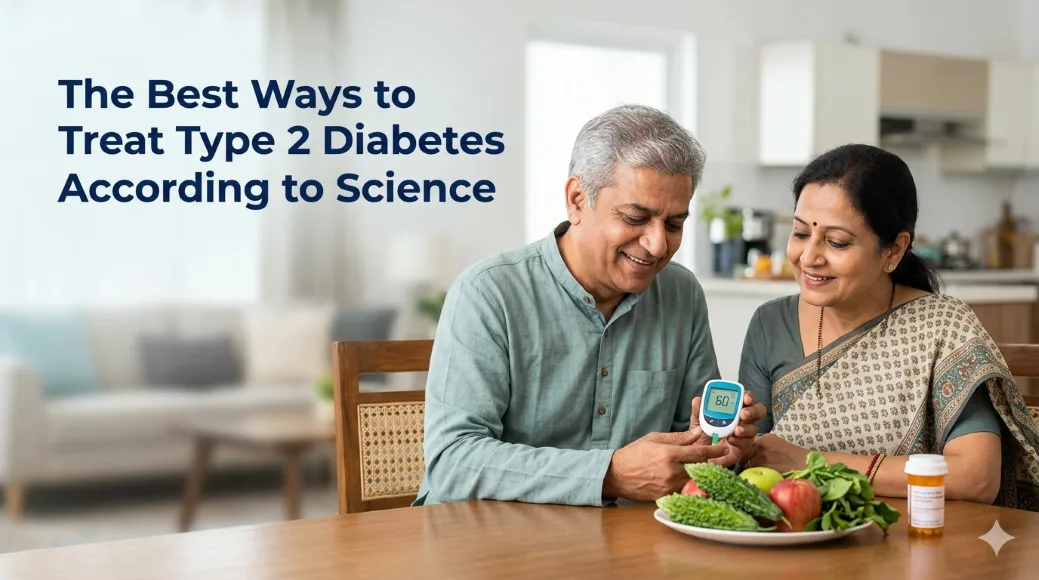
According to scientific evidence, people living with type 2 diabetes have the opportunity for improvement through a combination of healthy lifestyle behaviours, appropriate medication, and regular monitoring. Treatments developed in recent years are effective at controlling blood sugar levels over the long term and preventing serious health problems.
Key Takeaways
- Type 2 diabetes responds strongly to a combination of lifestyle changes and medication.
- GLP-1 medicines support better sugar control and weight management.
- Early treatment prevents long-term organ damage.
- Healthy meals and regular movement remain the foundation of diabetes care.
- Personalised treatment works best for long-term success.
To control Type 2 diabetes effectively, it's critical to have an overall plan that can help manage blood sugars, use insulin more effectively, and help avoid developing complications. Use lifestyle changes alongside medications to achieve stable blood sugar levels.
Why Are Lifestyle Changes The Foundation Of Diabetes Treatment?
Improving the body's response to insulin will significantly reduce blood glucose levels. Also, many people who make small lifestyle changes that improve their health and help regulate their blood glucose over the long term have seen the overall impact of those lifestyle changes over the years.
Important modifications in your lifestyle are as follows:
- Eating smaller portions to avoid blood sugar spikes.
- Eating more whole grains, vegetables, and protein foods.
- Reduce or eliminate all sugary beverages and snack foods from your diet.
- Walking 30 minutes each day.
- Engaging in additional forms of activity (for example, swimming or light stretching).
- Losing 5% of your current weight will improve the body\'s ability to utilise insulin.
- Keep a daily routine and maintain consistency.
Which Medicines Are Proven Effective for Type 2 Diabetes?
Medicines can help those who are unable to make lifestyle changes or control their blood glucose levels on their own. Many medicines have different mechanisms of action to help you achieve your blood glucose targets.
The emerging scientific consensus regarding type 2 diabetes is:
- Metformin is the first-line therapy.
- Add a second medicine before glucose remains high.
- Consider a weight-control medicine.
- Choose medications that provide cardiovascular and renal protection, and
- Individualised treatment based on age, presentation of disease, and past medical history.
How Do Medicines Work?
Medications like Aplevant 1.5, containing Dulaglutide, are currently used to control appetite, slow the digestion of food, and promote the release of insulin by the pancreas. The use of these medicines will help provide greater reductions in blood glucose levels and promote weight loss, making them suitable for most patients.
The use of medicine has various benefits, such as:
- Decreasing fasting blood glucose and post-meal blood glucose.
- Reducing hunger and cravings.
- Supporting consistent and healthy weight loss over time.
- Slowing down the stomach emptying to prevent elevations in blood glucose.
- Benefit to heart health.
- Protecting the patients' kidneys over time.
- Convenience with once-a-week dosing.
What Other Treatments Can Support Diabetes Management?
Doctors will give medications to support long-term control if the patient needs more help with managing type 2 diabetes.
The different types of medications work in different ways, but they all share similar goals:
- Lower Blood Sugars.
- Control Weight.
- Protect Organs
Examples of additional treatment options that your doctor may indicate include:
- SGLT2 inhibitors are used to remove excess glucose from the body via urine.
- Combination therapy with Metformin and GLP-1 medications.
- Provide Insulin Therapy when the patient's sugars are still too high.
- Medications that protect the heart and kidneys.
- Adjust the treatment based on how well the patient is achieving their goal (see HbA1C results).
- Schedule follow-up appointments to track progress all along the way.
Why Is Regular Monitoring Important for Long-Term Diabetes Control?
By taking regular glucose measurements, one can promptly detect a rise in glucose levels, allowing treatment before complications develop. Additionally, glucose monitoring can provide information on how food choices, stress, physical activity level, and medications impact your overall health.
Regular monitoring will consist of:
- Measuring blood glucose levels in your own home, as directed
- Determining HbA1c levels every 3–6 months
- Monitoring signs of problems with fatigue, thirst, or blurred vision
- Altering medications based on the results of daily testing
- Measuring daily weight and regularly measuring blood pressure
- Visiting with a healthcare provider on a regular basis
Final Thoughts
Treating Type 2 diabetes becomes easier when you combine healthy habits, consistent monitoring, and effective medicines. With the right guidance and a personalised approach, you can manage blood sugar, reduce complications, and live a healthier, more active life.
Disclaimer
This article is for general informational purposes only. It is not a substitute for professional medical advice, diagnosis, or treatment. Always consult a qualified healthcare provider for personalised medical guidance. Individual results may vary. MrMed does not endorse any treatment unless clearly stated.