
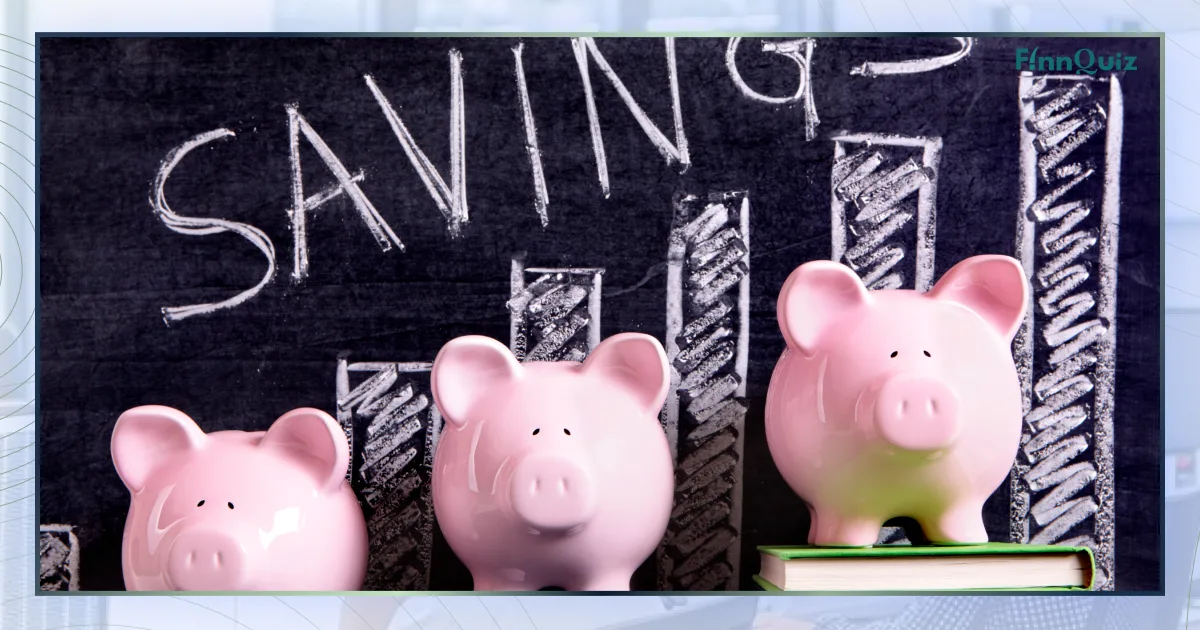
Saving money is simple in theory and often difficult in practice. Daily expenses, small impulses, and the absence of a clear system can quietly prevent progress. Money-saving challenges work because they turn a vague intention into a specific, time-bound activity. They create rules, deadlines, and a sense of accomplishment that ordinary budgeting sometimes lacks. Whether you want to build an emergency fund, pay down debt, or simply feel more in control, a well-chosen challenge can provide the structure and motivation to follow through.
If you are looking for practical ways to improve your finances, useful resources are available at finnquiz.com. Saving challenges succeed when they match your personality, income pattern, and lifestyle rather than forcing an unrealistic ideal.
The best challenges share a few traits: clear rules, manageable length, visible progress, and flexibility to adjust when life intervenes. Below are several proven approaches worth considering this year, along with guidance on how to make them effective.
1. The No-Spend Challenge
A no-spend challenge involves setting a defined period, often a weekend, a week, or a full month, during which you buy only essential items. Essentials typically include groceries, housing, utilities, transportation for work, and necessary medicine. Everything else is paused: restaurant meals, coffee runs, online shopping, entertainment purchases, and impulse buys.
The power of this challenge lies in awareness. Many people discover how often they spend out of habit or boredom rather than genuine need. A short no-spend period can reset spending patterns and free up surprising amounts of cash. Starting with a single week makes the experiment less intimidating; successful participants often extend it or schedule recurring no-spend days each month.
To succeed, plan. Stock basic groceries, prepare meals, list free activities, and remove shopping apps from your phone if they create temptation. Track the money you would have spent and move it straight into savings so the benefit becomes concrete.
2. The 52-Week Saving Challenge
The classic 52-week challenge is simple and visual. In week one, you save a small amount (commonly $1). Each subsequent week you increase the amount by the same increment ($2 in week two, $3 in week three, and so on). By the end of the year, you have saved a meaningful total, $1,378 if using the $1 starting point.
The gradual increase builds the habit gently. Early weeks feel easy; later weeks require more intention but arrive after the behavior is already established. Some people reverse the order, starting with larger amounts while motivation is high and finishing with smaller ones. Others adapt the increments to their income.
A dedicated jar, envelope, or separate savings account helps keep the money distinct. Checking off each week on a printable tracker reinforces progress and makes the challenge feel like a game rather than a chore.
3. The Round-Up or Spare-Change Challenge
This approach automates small savings. Many banking apps and fintech tools round up each debit-card purchase to the nearest dollar and transfer the difference into savings. A $4.25 coffee becomes a $5.00 charge with $0.75 moved to savings. Over hundreds of transactions, the amounts add up without requiring constant decisions.
If your bank does not offer round-ups, you can mimic the habit manually: each evening, transfer the “spare” digital change from that day’s spending, or empty physical coins into a jar once a week. The psychological advantage is that the individual amounts feel trivial, yet the cumulative result is noticeable.
This challenge works especially well for people who prefer low-effort systems. Pairing it with a larger goal, such as funding a specific purchase or building a starter emergency fund, keeps the purpose clear.
4. The Envelope or Cash-Category Challenge
The envelope method assigns specific amounts of cash to spending categories (groceries, entertainment, dining out, personal care). Once the cash in an envelope is gone, spending in that category stops until the next period. Digital versions use separate accounts or budgeting app categories with strict limits.
A challenge variation involves choosing one or two problem categories and applying the envelope rule for 30 or 60 days. Seeing the physical (or clearly limited digital) balance decline makes the cost of each purchase more tangible. Many people find they spend more deliberately and often finish the period with money left over, which can then be moved to savings.
This approach is particularly effective for those who lose track of variable expenses. It replaces vague restraint with a concrete boundary.
5. The 30-Day Mini Goal Challenge
Instead of a year-long commitment, set a focused 30-day savings target. Examples include saving $500, cutting dining-out spending by half, or transferring a set amount every payday. Short time frames feel achievable and create frequent wins.
At the end of 30 days, review the results and either reset with a new target or extend the same goal. Chaining short challenges together often produces more sustained progress than one ambitious plan that collapses under its own weight.
Write the goal down, decide exactly where the money will come from, and schedule the transfers. Celebrating completion, without undoing the savings, helps reinforce the behavior.
6. The Subscription and Bill Audit Challenge
This challenge targets recurring costs. Over one or two weeks, list every subscription, membership, streaming service, software tool, and automatic payment. Cancel or pause anything unused or low-value. Negotiate bills where possible: insurance, phone, internet, or utilities.
The money freed up is then redirected automatically to savings. Because the savings repeat every month, a single focused effort produces ongoing benefits. Many households discover significant annual amounts locked in forgotten or underused services.
Treat it as a project with a clear deadline. Once the audit is complete and the redirected transfers are set, the challenge is finished, and the benefit continues.
Making Any Challenge Work
Several principles increase the odds of success across all these approaches:
Choose one challenge at a time. Overloading creates friction and abandonment. Master one system before adding another.
Make progress visible. Trackers, separate accounts, or simple spreadsheets turn abstract saving into something you can see and celebrate.
Automate wherever possible. Automatic transfers remove the need for repeated willpower.
Allow limited flexibility. A challenge that collapses at the first unexpected expense is too brittle. Build in modest adjustments so a single imperfect week does not end the effort.
Link the challenge to a meaningful purpose. Saving for an emergency fund, a trip, debt reduction, or peace of mind provides stronger motivation than saving for its own sake.
Review and reset. At the end of the period, note what worked, what felt difficult, and what you want to carry forward as a permanent habit.
Realistic Expectations
Saving challenges are tools, not magic. They work best when combined with basic awareness of income and essential expenses. They will not solve deep cash-flow problems by themselves, but they can create momentum, reveal spending leaks, and build the identity of someone who saves consistently.
Income varies, and so do results. The goal is progress relative to your own starting point. A challenge that produces a few hundred dollars of new savings and a stronger habit is already a success.
Closing Thoughts
The best money-saving challenges for this year are the ones you will actually complete. No-spend periods build awareness. The 52-week challenge creates gradual, visible accumulation. Round-ups and automation capture small amounts without effort. Envelope limits rein in variable spending. Short 30-day goals provide frequent wins. Subscription audits unlock recurring savings.
Pick one approach that fits your current energy and cash flow. Define the rules clearly, track progress, and protect the money you free up by moving it into a dedicated savings space. When the challenge ends, keep the most useful behaviors and choose the next experiment if you wish.
For more practical ideas and guidance on turning saving challenges into lasting results, explore The Best Money-Saving Challenges to Try This Year.
Small, structured efforts compound. A single well-executed challenge can change both your balance and your relationship with money. Starting is more important than choosing the perfect system. Choose one, begin this week, and let the results build from there.