Telepsychiatry is the current integration of telemedicine models into the discipline of psychiatry. Because of technological advancements and how they decrease distances and remove borders, the phrase is often used to describe a variety of services. Nonetheless, telepsychiatry often refers to the delivery of psychiatric services, assessments, and/or care via telecommunications technology. Currently, these services are available through private offices, intermediary firms that work with medical facilities, or as group psychotic models.
Telepsychiatry is a highly creative approach that is transforming healthcare owing to its numerous benefits and advantages. It is being used and incorporated into the products of a variety of firms, including some of the world's largest technology corporations. Telepsychiatry for patients is an excellent alternative to traditional in-person consultations, providing patients with cutting-edge, round-the-clock resources for their battle against a specific condition.
Doctors interact closely with patients to detect problems and propose solutions. Telepsychiatry enables clinicians to create a specific treatment plan, prescribe medicine, and connect to other devices such as wearable technology and remote patient monitoring systems, giving both sides the ability to supervise and monitor each case.
Telehealth psychiatric services can be used for:
- Home-based telepsychiatry is available to people of all ages, including adults, adolescents, seniors, and children;
- Forensic telepsychiatry is primarily utilized to provide remote care for convicts in jail or correctional facilities. The technique can also be used for extreme situations, such as suicide watch. It is also used by parole boards to conduct reviews and consultations;
- Temporary telepsychiatry consultation for emergency cases, such as evaluating new patients who have never been seen by a doctor and have demonstrated one of the following tendencies: depression, maniac, acute anxiety, psychotic, aggression, homicidal, or suicidal;
- Telepsychiatry is quite successful for most mental health disorders. Its telemedicine platform is capable of treating a wide range of conditions, including anxiety, PTSD, OCD, eating disorders, insomnia, ADD, bipolar I and II, schizophrenia, borderline personality disorders, ADHD, and others.
Let's look at why telepsychiatry is a game changer for providing efficient care.
Cost-effective
Since 1999, Medicare and Medicaid have increased coverage for all types of telehealth services. Today, providers' restrictions have been significantly simplified, and the government is regularly awarding funding to strengthen most services and encourage telepsychiatry program usage. Most telepsychiatry models and practices accept insurance. Additionally, because of the lack of physical infrastructure, most telepsychiatry operations have lower operational expenses. This results in lower direct expenditures compared to face-to-face therapy.
Accessibility
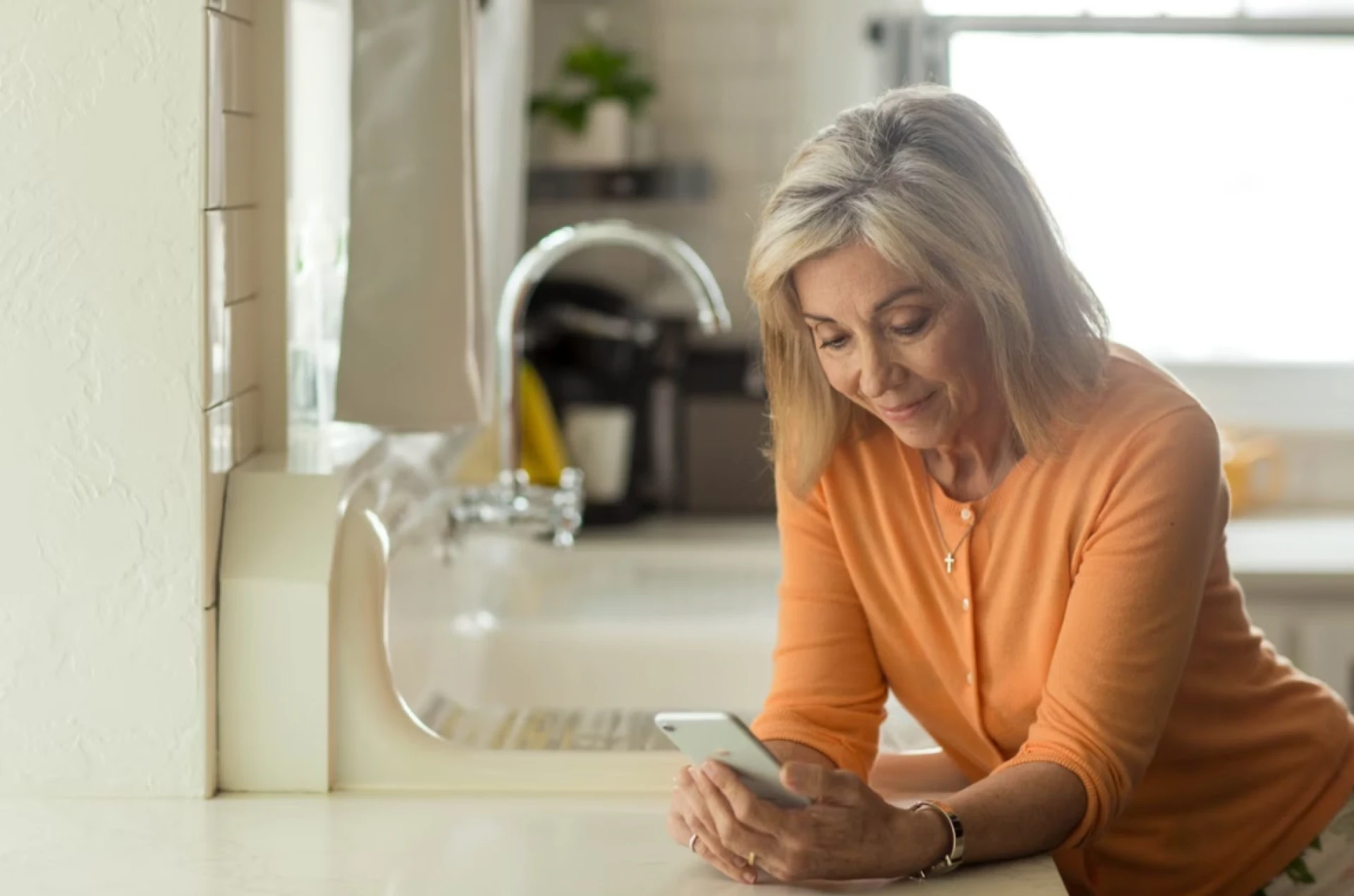
Telepsychiatry, like all Telehealth services, has the benefit of being straightforward and easy to use - a patient may book an appointment and log in from anywhere using a computer, tablet, or phone. No traffic, no logistics concerns, and no excuses.
Comfort
Patients eventually feel more at ease in their home — or safe zone. In many circumstances, telepsychiatry may provide a safe space for patients to vent and work through their concerns. This is especially true for individuals who have specific phobias, severe anxiety disorders, or concerns that may cause them difficulty in a face-to-face setting.
Time Optimization
The typical person spends 1 to 2 hours commuting to the doctor's office. Not only did I attend to the appointment, but I also got diverted after that. Telepsychiatry saves patients both time and money by eliminating the need for them to travel.
Simple Tech Solutions
Today, owing to cutting-edge, very reliable, and resourceful telepsychiatry systems, patients no longer require specialized technology or abilities to participate in a meeting. Any device with video and/or audio capabilities, such as a tablet, computer, or phone, will do.
Borders
Patients are no longer limited by geography; one of the primary advantages of telepsychiatry is the ability to maintain a treatment plan without physically visiting a doctor's office. This means they may continue to schedule appointments while on vacation or if they need to migrate to another place. They can even set up meetings with professionals from other continents.