
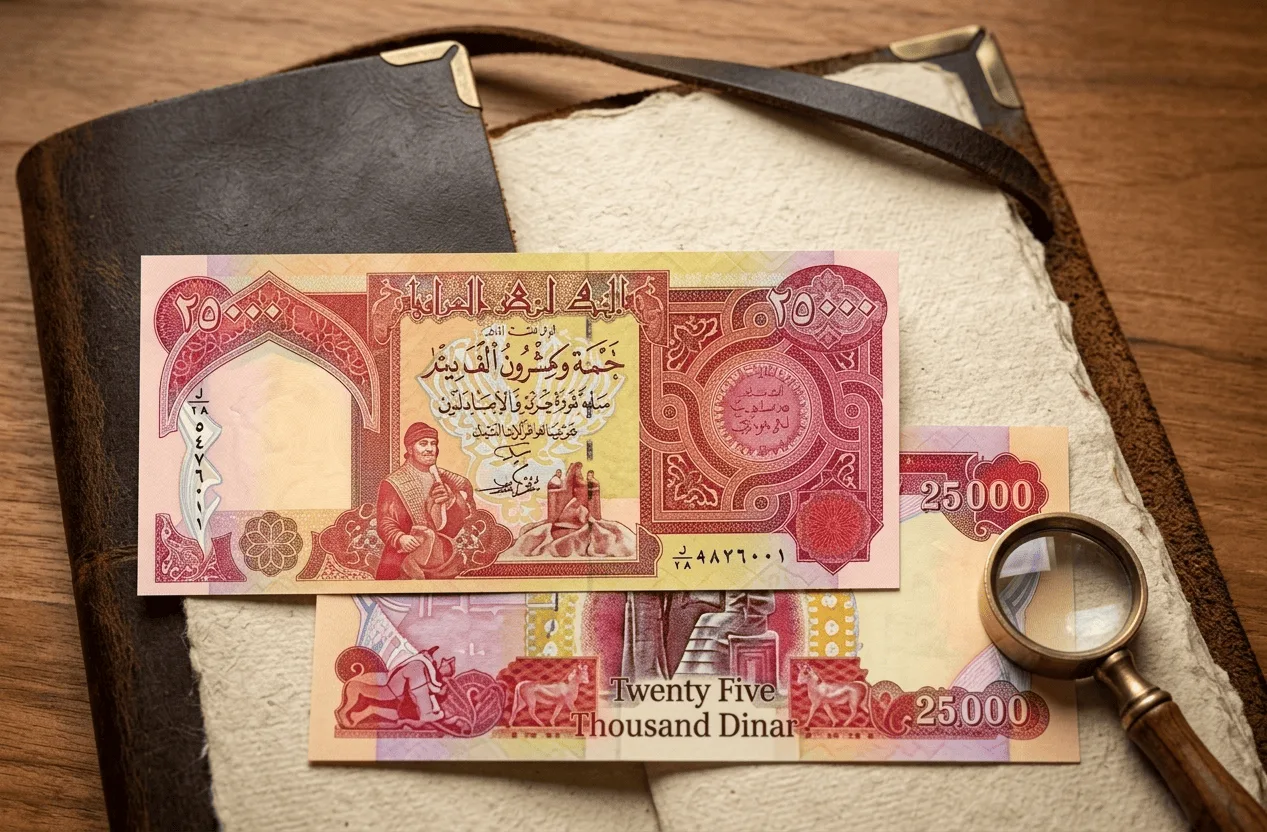
If you love world history geopolitics or unique collecting hobbies holding an iraqi dinar in your hands is a fascinating experience. The intricate artwork on modern iraqi paper money is genuinely striking, featuring rich imagery that traces all the way back to the dawn of human civilization in ancient mesopotamia.
However if you have spent any time researching this currency online you already know that the market surrounding it can feel incredibly messy. The internet is flooded with sketchy unverified sellers, deceptive forums whispering about overnight revaluation of wealth and counterfeit bills designed to trap unsuspecting buyers.
Whether your goal is to acquire a single crisp bill to display on your study desk, or you are looking to audit a large collection you already purchased you need an objective framework. This definitive collector's guide breaks down the architecture of modern iraqi dinar banknotes, clarifies what the real iraqi dinar price means and reveals how to source your bills safely.
The Design Matrix of High - Denomination Iraqi Dinar Notes
Before you can spot a fake bill, you have to understand what a real one looks like. Following massive economic restructuring, the central bank of iraq completely overhauled its monetary system to eliminate old, easily faked paper bills. They introduced a highly unified, secure generation of notes built to survive rugged daily use and resist modern duplication methods.
When you look at the premium uncirculated inventory available on specialized collector platforms, your attention should be focused primarily on the high denomination iraqi dinar notes. These are the flagship items most coveted by worldwide currency collectors:
The 25000 Iraqi Dinar Banknote
Easily the most popular note in the numismatic world. The front showcases a kurdish peasant woman holding a traditional water jug set against a backdrop of a tractor plowing fields under a clear sky. The reverse side features the iconic, historically significant engraving of the code of king Hammurabi, the world's oldest written legal framework. Because of its cultural weight and striking pinkish red hue it remains the absolute favorite for hobbyists looking to showcase middle eastern history.
The 50000 Iraqi Dinar Banknote
The single highest legal denomination printed in iraq making it a must have piece for completionist collectors. This bill is instantly recognizable by its beautiful depiction of the ancient water wheels running along the euphrates river, alongside palm trees and the historic geli ali beg waterfall. It utilizes the absolute peak of modern printing security due to its high face value.
Critical warning on saddam hussein legacy currency If an online auctioneer or individual attempts to sell you bills featuring a portrait of saddam hussein, stop and think. These are old legacy notes printed cheaply on low-grade commercial paper during the sanctions of the 1990s. They are completely demonetized, carry zero exchange value in iraq, and are prone to crude counterfeiting. They should only ever be bought for a couple of dollars as cheap historical novelties, not as standard modern currency pieces.
5 Easy Ways to Spot Authentic Iraqi Dinar Banknotes
You don't need a multi-million dollar forensics laboratory to verify your currency. because iraq contracts top-tier international security printing presses the same elite facilities that print british pounds and euros genuine iraqi dinar banknotes possess incredible, world class anti-counterfeiting technology.
Use this 5-point physical checklist to inspect any bill in your hands:
1. The Cotton Snap Test
Genuine Iraqi banknotes are never printed on standard wood pulp copy paper. They are printed on a heavy duty ultra premium cotton fiber substrate blend. When you hold a real note by the edges and snap it sharply it should make a distinct crisp ringing sound. If the paper feels completely smooth, flimsy, limp or waxy it is almost certainly a cheap laser printed counterfeit.
2. The Multi-Tonal Horse Head Watermark
Lift your banknote up directly against a bright window or an overhead lightbulb. Look closely at the blank unprinted window area on the face of the bill. A highly detailed beautifully shaded watermark of a horse's head should appear. Because this image is physically embedded inside the wet paper pulp during manufacturing it blends smoothly into the light. Fake notes often try to mimic this by stamping a faint gray design on top of the paper, which looks flat and lacks shading.
3. Optical Color-Shifting Ink (SPARK Technology)
Look at the front of the high denomination bills (the 25,000 and 50,000 notes). You will see a prominent, shiny security emblem printed on the surface. Look at it straight on, and the ink will appear brilliant, solid green. Now, slowly tilt the bill away from your eyes. The ink should smoothly and dynamically shift color from green to a deep, intense blue. Counterfeit bills cannot replicate this metallic fluid shift; the color will look muddy or stay exactly the same no matter the angle.
4. Tactile Intaglio Textures
Run your fingertips gently across the text headings, the large numerical values and the heavy outer borders of the bill. You should instantly feel a physically raised, rough texture. Genuine dinars utilize a process called intaglio printing where heavy industrial plates stamp ink onto the cotton paper under massive pressure. Additionally newer authentic series feature raised, tactile geometric shapes on the outer edges to help visually impaired individuals identify the bill by touch alone.
5. Ultraviolet (UV) Glow Check
If you own a basic low cost UV blacklight (the kind used to spot security stamps or check IDs), place your Iraqi notes directly under the bulb. Legit banknotes are embedded with invisible fluorescent phosphors. Under UV light specialized geometric security bands, hidden symbols, and the unique serial numbers printed on the note will burst into a bright, neon glow that standard home or office computer printers simply cannot replicate.
Grounding the Iraqi Dinar Price in Reality
The single biggest source of confusion on the internet surrounding this currency is its actual real-world valuation. For over two decades aggressive online forums, video channels and predatory email newsletters have pushed a myth claiming that an imminent revaluation (RV) is coming to instantly turn a standard twenty dollar dinar purchase into millions of U.S. dollars overnight.
To protect your money, you must ignore the speculative hype and understand how real global finance works. The iraqi dinar price is strictly managed by international monetary policy and backed by the central bank's assets.
When analyzing currency values, you must understand the difference between the raw wholesale market exchange rate and the physical retail collector price:
The International Market Exchange Rate
If you look up the raw, live data on an open financial tracker the paper value of the dinar is quite small compared to western currencies:
- 25,000 IQD has a raw bank value of roughly $19.00 USD.
The Physical Retail Collector Price
When you visit an authentic secure retail platform you will notice that purchasing an uncirculated physical 25,000 dinar note costs a premium above that raw $19 bank screen value.
Why is there a price markup on dealer pages? Because you aren't just buying digital numbers on a screen. When a reputable company sells physical cash, the price must cover insured armored international shipping, strict legal compliance with the U.S. treasury (Fincen) professional grading, and official security certification.
The golden rule of dinar collecting: Buy these banknotes because you appreciate global history, love the thrill of world currency collecting or want a beautifully engraved conversation piece for your album. Never purchase physical currency at retail premiums expecting it to operate as a volatile speculative investment vehicle.
The Secure Buying Framework - Protecting Your Portfolio
If you are ready to expand your international currency collection, where you choose to buy your iraqi dinar notes is just as important as how you inspect the physical paper. Protect your personal finances by following these three strict standards.
- Rule 1- Only Source From Registered Businesses Never buy cash or collectible bills from unverified individuals on peer to peer apps, social media marketplace pages or anonymous internet chat forums. Only deal with established platforms or corporate entities that are officially registered as a money services business (MSB) with fincen (Financial Crimes Enforcement Network). Always verify that your chosen dealer holds an excellent, transparent track record with the better business bureau (BBB).
- Rule 2- Insist on a serialized certificate of authenticity a legitimate, high volume currency dealer will always stand firmly behind the authenticity of their product. When your package arrives it must contain a formal legally binding certificate of authenticity (COA) that explicitly records the unique serial numbers stamped onto your specific banknotes.
- Rule 3- Only purchase physical cash up front, never participate in complex layaway,leasing, or reserve programs where a website asks you to pay a recurring monthly fee to hold dinar bundles in a vault waiting for an exchange rate spike. If a dealer cannot package your physical currency and ship it securely to your front door within a matter of days, cancel the transaction immediately.
Conclusion - A Rewarding Safe Hobby
Collecting world currency is an incredibly fulfilling way to hold a physical piece of world history right inside your home. By keeping your feet firmly on the ground regarding real world exchange rates and using your hands to actively verify paper textures and color shifting ink you can enjoy a safe stress free collecting experience. Stick to authorized transparent platforms for your inventory and watch your historical collection grow with absolute confidence.