Saudi Arabia, known for its vast deserts, rich cultural heritage, and rapidly growing economy, has been undergoing a massive transformation in recent years. With the government’s ambitious Vision 2030 plan, the Kingdom is investing heavily in infrastructure, industrial expansion, mega-projects like NEOM, and new urban developments. These massive initiatives demand not only long-term residential projects but also temporary housing solutions to accommodate workers, engineers, and professionals during various stages of construction and operation.
Temporary housing units in Saudi Arabia have become an essential part of the country’s construction, oil and gas, mining, and industrial landscape. These units are designed to provide comfort, safety, and flexibility while being quick to install and cost-effective compared to permanent housing structures. They are widely used in remote areas, construction sites, and industrial hubs where long-term housing may not yet be feasible.
This article explores the importance, types, applications, design features, benefits, and future of temporary housing units in Saudi Arabia, highlighting their role in supporting national development.
The Growing Demand for Temporary Housing Units
Saudi Arabia’s rapid pace of development has created an urgent need for accommodation solutions that can be deployed quickly and affordably. Several key factors drive this demand:
- Mega-Projects Under Vision 2030
- Saudi Arabia’s Vision 2030 aims to diversify its economy away from oil dependency. This has led to the development of projects like NEOM, The Red Sea Project, Qiddiya, and industrial zones across the Kingdom. These projects employ tens of thousands of workers who need on-site or nearby housing.
- Oil and Gas Industry
- Oilfields in remote desert regions require accommodations for engineers, technicians, and workers. Temporary housing units provide a practical solution for remote site living.
- Construction and Infrastructure Projects
- From highways to airports, the construction industry relies heavily on temporary housing units to accommodate workers until projects are completed.
- Pilgrimage and Religious Tourism
- Saudi Arabia receives millions of pilgrims annually. During Hajj and Umrah, temporary accommodations play a role in managing seasonal surges in visitors.
- Emergency and Disaster Relief
- Temporary housing is also critical in disaster management or emergencies, offering quick shelter solutions.
Types of Temporary Housing Units in Saudi Arabia
Temporary housing solutions vary depending on project requirements, location, and budget. The main types include:
- Porta Cabins
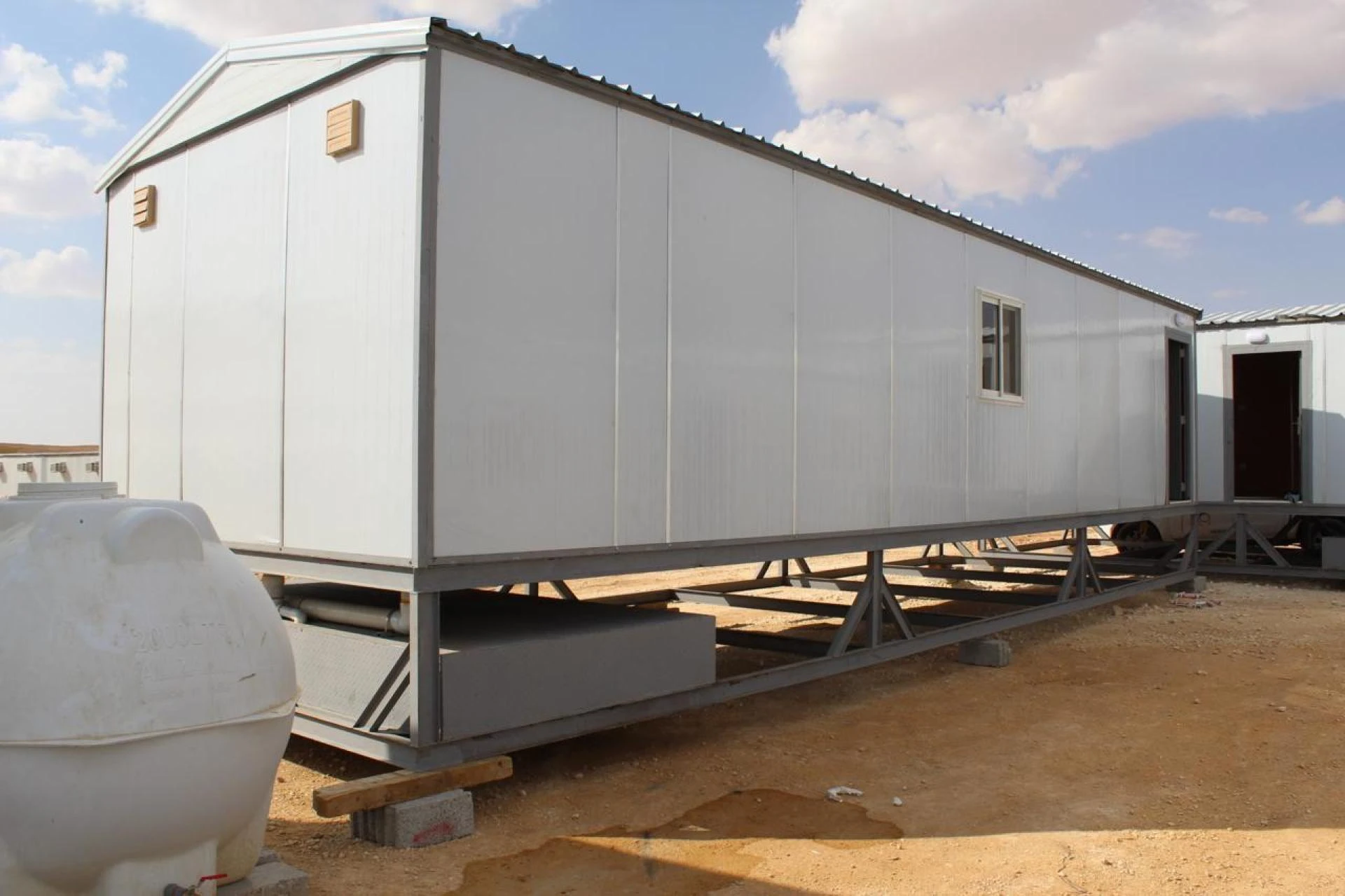
- These are prefabricated, portable structures often used for worker accommodations, offices, or storage. They are easy to transport and can be customized for various needs.
- Prefab Modular Units
- Modular housing units are built off-site in factories and then transported to the required location. They can be assembled quickly and expanded to form larger residential complexes.
- Container Housing
- Modified shipping containers are repurposed into living quarters, complete with insulation, ventilation, plumbing, and electricity. They are durable and ideal for remote locations.
- Mobile Homes
- Mobile homes are designed to be transported from one site to another, offering flexibility for projects that require frequent relocation.
- Tented Housing Units
- In certain cases, especially during events or short-term requirements, high-quality tents are used as temporary accommodations with modern facilities.
Features of Modern Temporary Housing Units
Temporary housing in Saudi Arabia has evolved significantly, moving beyond simple structures to well-equipped living spaces. Key features include:
- Durability: Units are designed to withstand Saudi Arabia’s harsh desert climate, including extreme heat and dust storms.
- Insulation and Ventilation: High-quality insulation and ventilation systems ensure comfortable living conditions.
- Utilities Integration: Modern units come equipped with plumbing, electrical systems, water supply, and sewage solutions.
- Modular Design: Units can be expanded or reconfigured easily depending on workforce size.
- Furnishings: Many units are delivered fully furnished with beds, wardrobes, kitchenettes, and bathrooms.
- Safety Standards: Fire-resistant materials, emergency exits, and adherence to international safety codes are standard.
Applications of Temporary Housing Units in Saudi Arabia
- Construction Sector
- Large-scale construction projects employ thousands of workers who need temporary living spaces. Housing camps are built close to construction sites to reduce travel time and ensure efficiency.
- Oilfields and Mining Sites
- In remote regions where permanent housing is impractical, temporary housing provides essential accommodations for specialized workers.
- Industrial Zones
- Workers involved in the development of industrial plants, factories, and warehouses often stay in temporary housing units during construction and commissioning phases.
- Military and Security Projects
- Defense-related projects and remote training camps rely on modular units for fast deployment and relocation.
- Tourism and Hospitality
- Temporary housing can also be used to support tourism projects, providing accommodations until permanent hotels and resorts are completed.
- Seasonal Religious Events
- During Hajj, additional housing units are often required to manage the influx of millions of pilgrims.
Benefits of Temporary Housing Units
Temporary housing units provide a range of benefits, making them a preferred choice for industries across Saudi Arabia:
- Cost-Effectiveness
- Prefabricated units are significantly cheaper than constructing permanent buildings, especially for projects with limited timelines.
- Speed of Deployment
- Units can be manufactured, delivered, and installed in a matter of weeks, saving valuable time on urgent projects.
- Mobility and Flexibility
- Units can be relocated as project needs change, making them ideal for industries like oil, gas, and construction.
- Comfort and Safety
- Modern housing units provide comfortable living standards, ensuring worker satisfaction and productivity.
- Sustainability
- Many modular units are designed with eco-friendly materials and energy-efficient systems, aligning with Saudi Arabia’s sustainability goals.
Challenges in Temporary Housing Solutions
Despite their benefits, temporary housing units also face certain challenges in Saudi Arabia:
- Extreme Weather Conditions: Units must be carefully designed to handle high temperatures and sandstorms.
- Logistics: Transporting large numbers of units to remote desert sites can be complex.
- Cultural Considerations: Accommodations must align with local cultural and religious practices, including privacy and gender segregation in certain cases.
- Maintenance: Regular upkeep is necessary to maintain hygiene, safety, and functionality.
The Role of Technology in Modern Housing Units
Technology has transformed temporary housing into advanced, livable spaces. Some innovations include:
- Smart Energy Systems: Solar panels, energy-efficient lighting, and advanced cooling systems reduce operational costs.
- IoT Integration: Smart sensors monitor energy use, water supply, and maintenance needs.
- Sustainable Materials: Recycled steel, eco-friendly insulation, and modular designs reduce environmental impact.
- Rapid 3D Printing: Emerging technologies like 3D-printed housing may also play a role in temporary housing solutions.
Future Outlook for Temporary Housing in Saudi Arabia
With Saudi Arabia pushing forward with giga-projects, the demand for temporary housing units will remain strong for years to come. Future developments are likely to focus on:
- Enhanced Comfort Standards: Temporary housing will continue to offer more residential-style comforts, including recreational facilities and community areas.
- Green Housing Solutions: Sustainability will play a bigger role, with increased use of solar energy and water recycling systems.
- Integration into Permanent Planning: In some cases, temporary housing units may be repurposed into long-term facilities after projects are completed.
- Innovation in Mobility: Improved modular systems will allow faster installation, relocation, and scaling of housing camps.
Conclusion
Temporary housing units in Saudi Arabia are far more than just a practical solution—they are a vital component of the Kingdom’s ambitious transformation journey. By providing flexible, cost-effective, and comfortable accommodations, these units ensure that major construction, oilfield, mining, and industrial projects move forward without disruption.
As Saudi Arabia continues to invest in its future, temporary housing will remain a strategic enabler of growth, supporting both workforce needs and national development goals. With innovations in sustainability, technology, and design, the future of temporary housing in the Kingdom looks promising and aligned with its vision for modernity and progress.