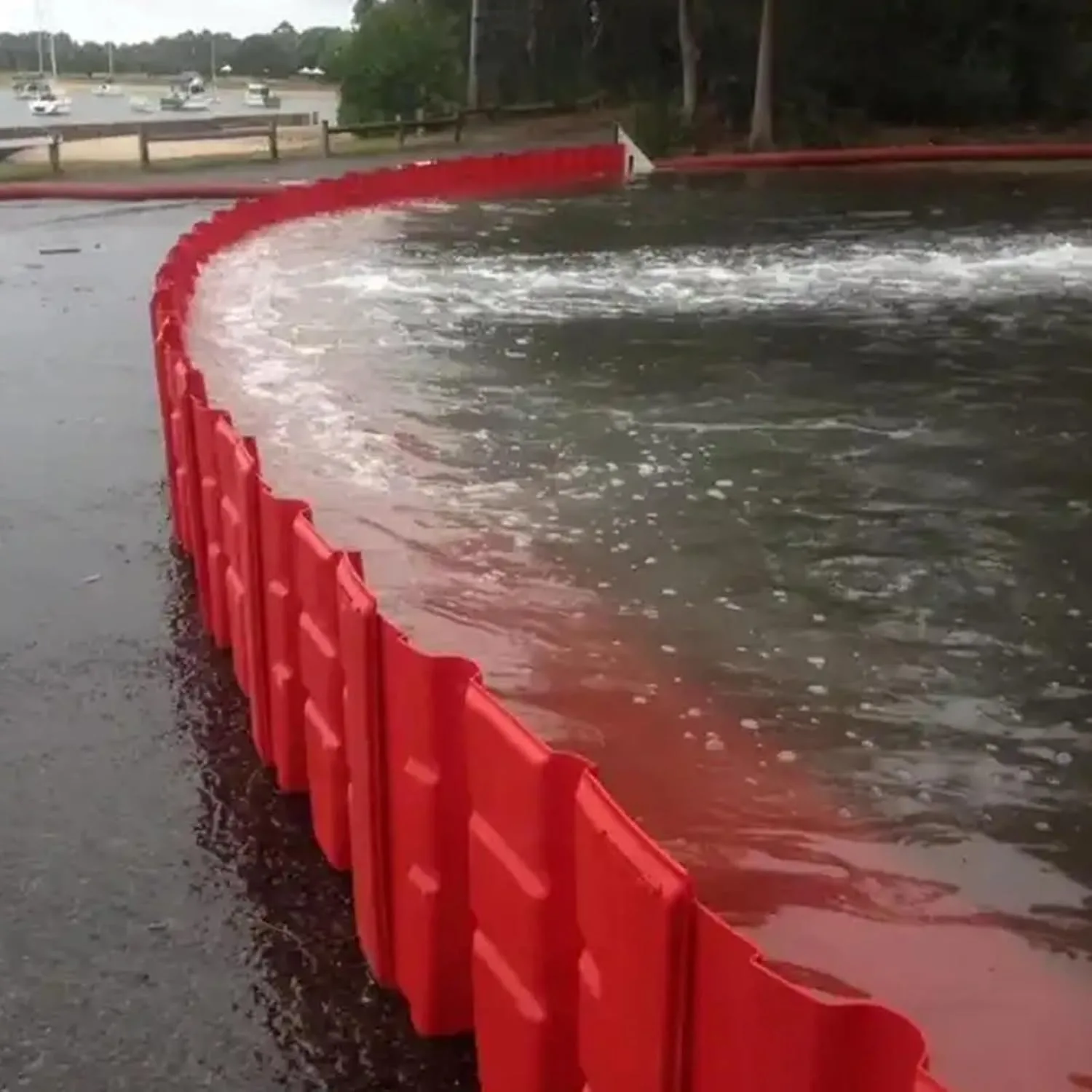
Flooding is a relentless and unpredictable force of nature that can strike with little warning, leaving devastation in its wake. Whether caused by torrential rain, river overflow, storm surges, or rapid snowmelt, floods can damage homes, businesses, infrastructure, and entire communities. In recent years, the frequency and severity of flood events have increased due to climate change and urbanization, making flood preparedness more critical than ever. While permanent flood defenses are ideal for long-term protection, not every location or situation allows for such installations. This is where the Temporary Flood Barrier becomes an indispensable solution—offering fast, flexible, and effective protection exactly when and where you need it most.
At Newflag Technology Co., Ltd., we understand that every minute counts when floodwaters are rising. Our Temporary Flood Barrier systems are easy to deploy, simple to use, and effective at protecting properties and critical infrastructure. Whether you are a homeowner, business owner, facility manager, or emergency responder, having access to a reliable Temporary Flood Barrier can mean the difference between minor inconvenience and catastrophic loss.
Understanding Temporary Flood Barriers
What Is a Temporary Flood Barrier?
A Temporary Flood Barrier is a portable, reusable system designed to prevent or redirect floodwaters away from vulnerable areas. Unlike permanent flood defenses, these barriers can be quickly set up in anticipation of a flood and removed or stored once the threat has passed. Temporary Flood Barriers come in various forms, including modular panels, inflatable tubes, water-filled dams, and flexible barriers, each engineered for rapid deployment and reliable performance.
How Does a Temporary Flood Barrier Work?
Temporary Flood Barrier functions by creating a physical barrier that blocks or diverts water flow. Depending on the design, they may:
- Form a watertight wall around buildings, entrances, or infrastructure.
- Redirect water to safer areas or drainage systems.
- Contain and control localized flooding in specific zones.
Most Temporary Flood Barriers are lightweight, compact, and require minimal tools or expertise to install. This makes them ideal for emergencies where time and resources are limited.
The Growing Need for Fast Flood Protection
The Escalating Threat of Floods
Floods are now among the most common and costly natural disasters worldwide. Urban expansion, deforestation, and changing weather patterns have increased the risk of flash floods and urban flooding, even in areas previously considered safe. As a result, property owners and municipalities must be prepared to respond quickly to protect lives and assets.
The Limitations of Traditional Flood Defenses
Permanent flood walls, levees, and embankments are effective but expensive and often impractical for many locations. Sandbags, the traditional standby for emergency flood protection, are labor-intensive, slow to deploy, and offer limited effectiveness. Once saturated, sandbags are heavy, difficult to remove, and can become environmental hazards.
The Advantages of Temporary Flood Barriers
Temporary Flood Barrier bridges the gap between permanent defenses and outdated sandbagging. They offer:
- Speed: Rapid deployment in minutes, not hours.
- Flexibility: Adaptable to various terrains and flood scenarios.
- Reusability: Designed for multiple uses, reducing long-term costs.
- Efficiency: Minimal manpower and equipment required.
- Effectiveness: Engineered for watertight protection and high water resistance.
Also Read: The Benefits of Temporary Flood Barrier [Infographic]
Types of Temporary Flood Barriers
1. Modular Panel Barriers
These barriers consist of interlocking panels made from lightweight, durable materials such as aluminum or composite plastics. They can be assembled to any length and height, making them suitable for protecting doorways, garages, and even entire buildings.
2. Inflatable Flood Barriers
Inflatable barriers are made from heavy-duty, flexible materials that can be quickly inflated with air or water. Once deployed, they form a robust wall that holds back floodwaters. These are ideal for rapid response and can be easily transported and stored.
3. Water-Filled Dams
Water-filled barriers use the floodwater itself (or a nearby water source) to fill long tubes or chambers, creating a stable and heavy barrier. These systems are particularly effective for large-scale or extended flood protection.
4. Flexible Roll-Out Barriers
These barriers are stored as compact rolls and can be quickly unrolled and anchored in place. They are suitable for creating temporary levees or protecting long stretches of property.
5. Self-Activating Barriers
Some advanced barriers are designed to self-deploy when they come into contact with water, expanding and forming a seal automatically. These are ideal for unmanned or remote locations.
Key Benefits of Temporary Flood Barriers
1. Rapid Deployment
Time is of the essence during a flood emergency. A temporary flood barrier can be set up in minutes, providing immediate protection when a flood warning is issued.
2. Portability and Storage
These barriers are lightweight and compact, making them easy to transport, store, and redeploy as needed. This is especially valuable for municipalities, businesses, and emergency services.
3. Versatility
Temporary Flood Barriers can be used in a wide range of settings, including residential homes, commercial properties, critical infrastructure, and public spaces. They can be adapted to fit irregular shapes and challenging terrains.
4. Cost-Effectiveness
While the initial investment may be higher than sandbags, the reusability and efficiency of Temporary Flood Barriers result in significant cost savings over time.
5. Environmental Friendliness
Unlike sandbags, which can become contaminated and require disposal, most Temporary Flood Barriers are reusable and made from environmentally safe materials.
6. Minimal Manpower Required
Most systems are designed for easy installation by one or two people, reducing the need for large teams or heavy equipment.
Practical Applications of Temporary Flood Barriers
1. Residential Protection
Homeowners can use a Temporary Flood Barrier to protect doors, garages, basements, and driveways from floodwaters. They are especially useful for properties in flood-prone areas or those without permanent defenses.
2. Commercial and Industrial Sites
Businesses can safeguard inventory, equipment, and critical infrastructure by deploying barriers around vulnerable entry points or storage areas.
3. Public Infrastructure
Municipalities use Temporary Flood Barriers to protect roads, bridges, utilities, and public buildings during flood events, ensuring continuity of essential services.
4. Emergency Response
Disaster response teams rely on Temporary Flood Barriers for rapid deployment in affected areas, providing immediate relief and reducing the impact of flooding.
5. Event-Based Protection
Temporary Flood Barriers are ideal for protecting outdoor events, festivals, or construction sites from unexpected weather events.
How to Choose the Right Temporary Flood Barrier
1. Assess Your Flood Risk
Consider the typical sources and severity of flooding in your area. Is your property at risk from river overflow, flash floods, or storm surges? Understanding your risk profile will help determine the type and size of barrier needed.
2. Identify Vulnerable Areas
Pinpoint the entry points most susceptible to water intrusion, such as doors, windows, garages, and low-lying areas.
Also Read: How to Choose the Best Temporary Flood Barrier
3. Determine Required Barrier Height and Length
Choose a barrier system that can be configured to the necessary height and length to provide adequate protection.
4. Evaluate Deployment and Storage Needs
Consider how quickly you need to deploy the barrier, how much storage space is available, and whether you require a system that can be easily transported.
5. Check for Reusability and Durability
Select a barrier made from high-quality, durable materials that can withstand repeated use and harsh conditions.
6. Consult with Experts
Work with a reputable supplier like Newflag Technology Co., Ltd. to assess your needs and recommend the best solution for your property or facility.
Why Choose Newflag Technology Co., Ltd. for Temporary Flood Barriers?
At Newflag Technology Co., Ltd., we are committed to providing innovative, reliable, and user-friendly flood protection solutions. Our Temporary Flood Barriers are engineered for maximum performance, ease of use, and long-term value.
We offer:
- Comprehensive Product Range: From modular panels to inflatable and water-filled barriers.
- Customization: Tailored solutions for any property size or risk level.
- Expert Consultation: Professional site assessments and recommendations.
- Quality Assurance: Rigorous testing and certification for all products.
- After-Sales Support: Ongoing maintenance, support, and warranty services.
Floods can strike at any time, but with the right preparation, you can protect your property, assets, and peace of mind. The Temporary Flood Barrier is a fast, effective, and flexible solution that empowers homeowners, businesses, and communities to respond quickly to flood threats. By investing in a reliable Temporary Flood Barrier from Newflag Technology Co., Ltd., you are taking a proactive step toward safeguarding what matters most.
Frequently Asked Questions (FAQ)
1. What materials are Temporary Flood Barriers made from?
Temporary Flood Barriers are typically made from high-strength, waterproof materials such as reinforced PVC, rubber, aluminum, or composite plastics, depending on the design.
2. How quickly can Temporary Flood Barriers be deployed?
Most barriers can be set up in minutes, with minimal tools or manpower required. This makes them ideal for emergency situations.
3. Are Temporary Flood Barriers reusable?
Yes, most systems are designed for multiple uses, making them a cost-effective and environmentally friendly solution.
4. Can Temporary Flood Barriers be used on uneven ground?
Many barrier systems are flexible and can adapt to irregular surfaces, ensuring a watertight seal even on challenging terrain.
5. How do I store Temporary Flood Barriers when not in use?
Barriers are designed to be compact and lightweight, allowing for easy storage in garages, sheds, or storage rooms.
6. Do Temporary Flood Barriers require maintenance?
Routine cleaning and inspection are usually sufficient. Check for any damage or wear before each use to ensure optimal performance.
7. Can Temporary Flood Barriers be used in combination with other flood protection measures?
Absolutely. They can complement permanent defenses, drainage improvements, and landscaping for comprehensive flood protection.
8. Are Temporary Flood Barriers suitable for commercial and industrial use?
Yes, they are widely used by businesses, municipalities, and emergency services to protect critical infrastructure and assets.
9. How do I choose the right Temporary Flood Barrier for my needs?
Consult with Newflag Technology Co., Ltd. for a professional assessment and tailored recommendations based on your specific risk profile and property layout.
10. Where can I purchase Temporary Flood Barriers?
You can purchase high-quality Temporary Flood Barriers directly from Newflag Technology Co., Ltd. Our team will guide you through selection, customization, and deployment.