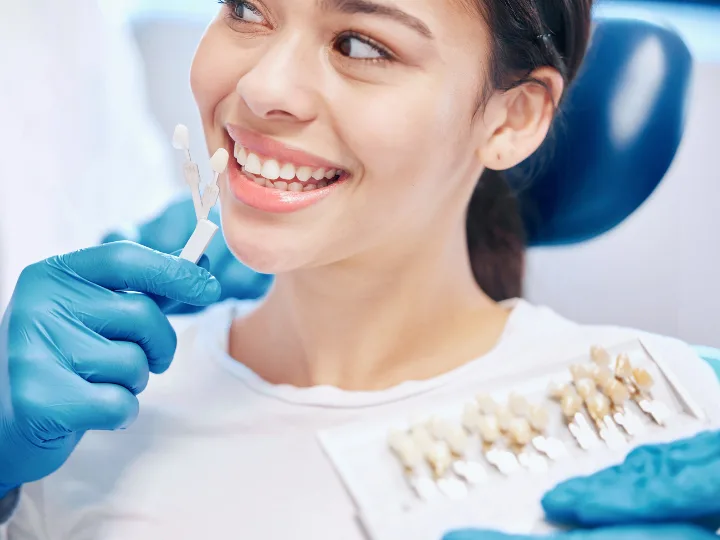
A bright smile is often linked to confidence and healthy looking teeth. As cosmetic dental treatments become more common across Australia, many people are researching teeth whitening cost before deciding on a suitable option. The price of whitening treatments can vary depending on several factors, including the type of procedure, the condition of the teeth, and the level of professional supervision involved.
Understanding the factors that influence whitening costs can help individuals make informed choices while maintaining realistic expectations about treatment outcomes.
What Affects Teeth Whitening Cost?
The overall teeth whitening cost often depends on the type of whitening treatment selected. Professional in clinic procedures generally cost more than over the counter products because they involve advanced whitening agents and dental supervision.
Take home whitening kits supplied by dental clinics may be a more affordable alternative for some people. These kits are usually customised to fit the patient’s teeth, which may improve comfort and whitening consistency compared to generic products purchased in stores.
The level of tooth discolouration can also influence treatment costs. Heavier staining may require additional sessions or more intensive whitening methods to achieve the desired result.
Comparing Professional and Store Bought Options
Store bought whitening strips, gels, and toothpastes are widely available and often less expensive. However, these products may only target surface stains and can produce varied results depending on how they are used.
Professional whitening treatments are designed to deliver more noticeable and even whitening outcomes. Since they are supervised by dental professionals, they also offer guidance on reducing sensitivity and protecting gum health during treatment.
While comparing teeth whitening cost, it is important to consider not only the price but also the effectiveness, safety, and expected longevity of results.
Maintaining Whitening Results
Whitening results are not permanent, and lifestyle habits can influence how long they last. Drinks such as coffee, tea, and red wine may gradually stain teeth again over time. Smoking is another common cause of discolouration.
Maintaining good oral hygiene habits is essential after whitening treatment. Brushing twice daily, flossing regularly, and attending routine dental check ups may help preserve a brighter smile for longer.
Some people also choose occasional touch up treatments to maintain their whitening results. These additional treatments may influence long term teeth whitening cost depending on personal preferences and dental needs.
Why Professional Advice Matters
Before starting any whitening treatment, a dental assessment is often recommended. Some forms of discolouration may not respond well to whitening products and could require alternative cosmetic treatments instead.
Professional advice helps determine the most suitable option while reducing the risk of gum irritation or excessive sensitivity. Choosing safe and appropriate whitening methods can make a significant difference in both comfort and results.
FAQs
How much does professional teeth whitening usually cost?
Teeth whitening cost varies depending on the clinic, treatment type, and the level of staining being treated.
Are cheaper whitening products effective?
Some store bought products may reduce surface stains, but results are often less noticeable than professional treatments.
How long do whitening results last?
Results can last from several months to a few years depending on oral hygiene and lifestyle habits.
Does teeth whitening damage enamel?
When performed correctly and under professional guidance, whitening treatments are generally considered safe for enamel.