
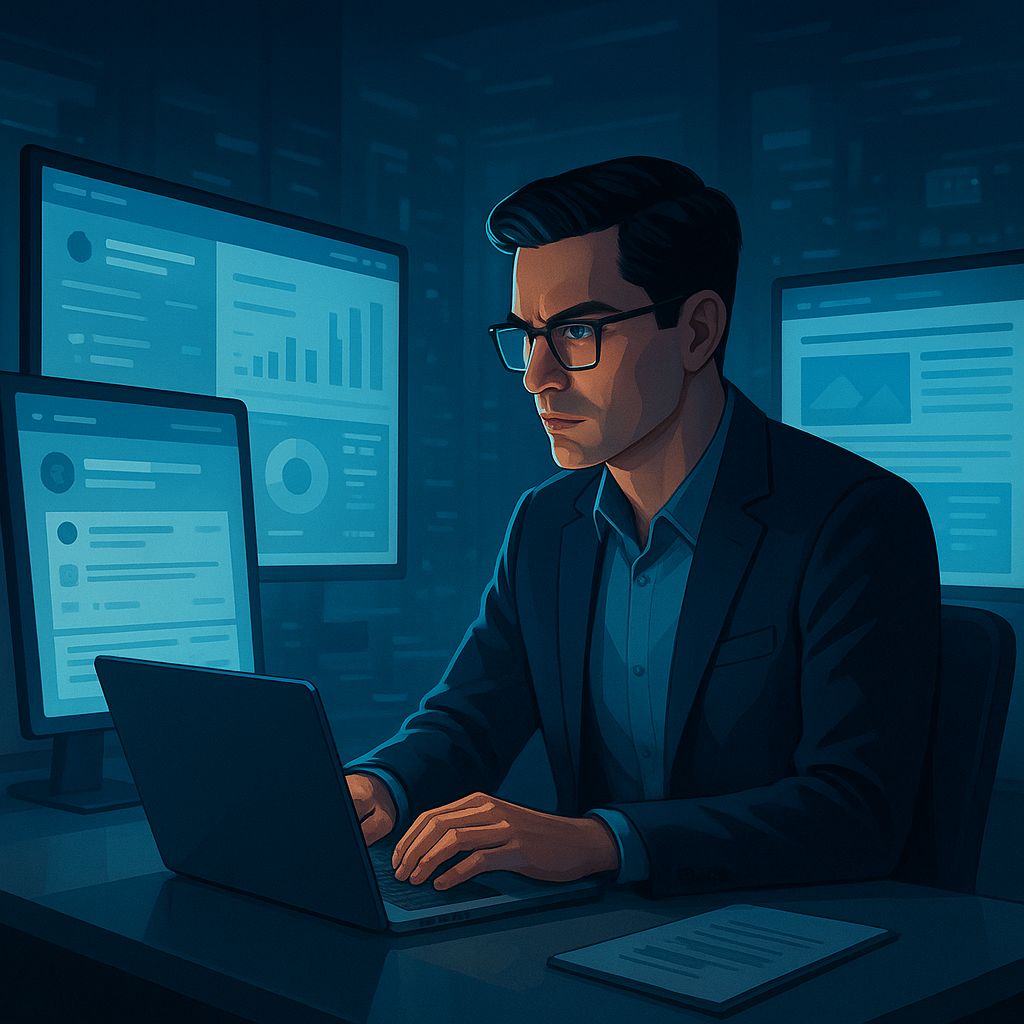
Hook: A Day in the Life of Taylor Lorenz’s Screen Time
Imagine spending nearly 17 hours a day with your eyes glued to screens. This is not a hypothetical scenario but the documented reality of Taylor Lorenz, a leading digital journalist known for her coverage of internet culture and social media trends. Lorenz's reported screen time, approaching 17 hours daily, has stirred conversations across digital marketing and media industries, prompting a critical examination of what such intense digital engagement means for professionals and consumers alike. This staggering figure surpasses the average screen time of most digital natives, signaling broader shifts in how digital content is consumed and produced.
From dawn to well past midnight, Lorenz's multitasking across platforms—from Twitter threads and TikTok videos to deep dives into emerging tech trends—illustrates a new norm for digital marketers and content creators who operate at the intersection of culture and technology. This intense screen presence raises questions about productivity, mental health, and the evolving demands of digital work. It also offers a case study in adapting to the relentless pace of digital communication in 2026.
"Taylor Lorenz's screen time is not just a personal metric; it reflects the wider phenomenon of content creators and marketers living online in real time," says Dr. Helena Marks, a digital media researcher at Stanford University.
Background: The Evolution of Screen Time in the Digital Era
Over the past decade, screen time has become a critical metric for understanding digital engagement. Early smartphone adoption in the 2010s set the stage for increasing hours spent on devices, but content consumption patterns have evolved dramatically since then. By 2026, the average American adult spends approximately 8.5 hours per day on screens according to recent Pew Research surveys, with digital professionals—especially those in marketing and media—often doubling that figure.
Taylor Lorenz's screen time of nearly 17 hours daily places her well above the norm, illustrating the extremes faced by digital journalists who must monitor fast-moving social media ecosystems. This increase correlates with the rise of short-form video platforms, real-time news cycles, and the demand for rapid content creation and curation. Lorenz's work embodies the digital acceleration that began with the social media boom and was further intensified by global events requiring constant online presence.
Moreover, the pandemic era saw a surge in remote work and digital dependency, entrenching screen time as central to professional and social life. While the broader population experienced screen fatigue, digital marketing professionals like Lorenz adapted to these changes by expanding their online hours, often blurring lines between work and personal time.
"The pandemic permanently altered media consumption habits, and screen time became both a necessity and a challenge for digital workers," notes Professor Jason Nguyen, a media studies expert.
Core Analysis: Dissecting the Numbers and Impacts
Delving into Lorenz's screen time reveals insights into how digital media professionals manage and respond to the demands of their roles. Seventeen hours is not simply passive scrolling; it encompasses active content creation, research, social engagement, and strategic communication. Industry estimates suggest that for high-profile digital journalists, 60-70% of their screen time involves active engagement—writing, editing, interviewing, or managing digital communities.
Comparatively, the average digital marketer spends about 10 to 12 hours daily online, engaged in campaign development, analytics, and creative brainstorming. Lorenz's figure pushes this boundary, underlining the intense pressure and speed of her niche. Her screen time includes monitoring emerging trends on platforms like TikTok, Instagram, and Twitter, which collectively command billions of daily active users worldwide.
Several factors contribute to such extended screen time:
- Real-time news monitoring: Constant updates require vigilance to stay ahead of viral moments.
- Multiplatform engagement: Managing presence across multiple social channels simultaneously.
- Content creation cycles: Producing quick-turnaround articles, videos, and social commentary.
- Community interaction: Active dialogues with followers and sources.
- Research and verification: Fact-checking and trend analysis to maintain credibility.
However, this level of screen time raises concerns about burnout. Studies published in 2025 by the American Psychological Association link sustained digital exposure above 12 hours daily to increased risks of eye strain, cognitive fatigue, and disrupted circadian rhythms. Lorenz's schedule exemplifies the tension digital marketers face between audience demands and personal health.
Her approach to managing this load involves strategic breaks, ergonomic adjustments, and prioritizing high-impact content. These tactics are becoming standard recommendations among digital professionals navigating similar challenges.
Current Developments: Screen Time Trends and Industry Shifts in 2026
In 2026, screen time continues to rise globally, driven by advances in immersive technologies such as AR and VR, and the growing integration of AI in content curation. Taylor Lorenz's screen time reflects not only personal habits but broader industry shifts toward hyperconnectivity. Digital marketers today operate within ecosystems that demand constant innovation and responsiveness.
The latest data from the Digital Marketing Association (DMA) shows that screen time for digital professionals has increased by an average of 15% since 2024, while consumer screen time has stabilized around 9 hours daily due to new digital wellness tools. This divergence highlights how professionals like Lorenz embody a new category of digital labor requiring near-continuous online presence.
Content platforms have responded by optimizing tools for creators to manage workflow and reduce fatigue. For example, TikTok's 2026 Creator Suite integrates AI-driven scheduling and engagement analytics, allowing professionals to streamline their digital footprint. Lorenz has publicly acknowledged using such tools to manage her demanding schedule.
Moreover, digital marketing strategies increasingly emphasize data-driven decision-making, requiring marketers to spend more time in analytics dashboards and real-time performance monitoring. This shift partially explains the extended screen time among top-tier professionals.
"The digital marketing landscape in 2026 demands relentless attention and adaptability," says Mia Chen, Chief Strategy Officer at a leading marketing firm. "Taylor Lorenz's screen time is a clear indicator of this new operational tempo."
Expert Perspectives: Industry Implications and Responses
Experts in digital marketing and media psychology provide nuanced views on the implications of Lorenz's screen time. While some praise her dedication and ability to sustain such engagement as emblematic of digital era professionalism, others caution about the sustainability of these work patterns.
Dr. Samuel Ortiz, a workplace psychologist specializing in media professionals, warns that extreme screen time can lead to burnout and reduced creativity. He advocates for organizational policies that enforce screen breaks and promote mental health. Conversely, Lorenz's ability to maintain productivity suggests that individual adaptability and technological aids can mitigate these risks.
Digital marketing executives highlight that Lorenz's screen time signals a broader industry trend where the boundaries between work and leisure blur, challenging traditional notions of work-life balance. Companies are increasingly adopting flexible schedules and digital detox initiatives to address these challenges.
Additionally, Lorenz’s media presence influences how brands perceive the importance of cultural fluency and immediacy in their marketing efforts. Her deep immersion in digital culture informs content strategies that resonate authentically with younger demographics, a key asset in competitive markets.
- Increased demand for cultural relevance in campaigns.
- Adoption of real-time marketing tactics.
- Greater investment in social listening tools.
- Focus on creator-led content.
These shifts underscore how Lorenz's intense digital engagement is not merely personal but indicative of evolving industry dynamics.
What to Watch: Future Outlook and Lessons for Digital Marketers
Looking ahead, Taylor Lorenz’s screen time serves as both a cautionary tale and a blueprint for digital marketers. As content ecosystems grow more complex, balancing digital immersion with wellness will become critical. Emerging technologies such as AI-generated content and augmented reality promise to reshape how marketers engage audiences, potentially reducing the need for constant manual monitoring.
However, the human element of cultural insight and real-time responsiveness, as exemplified by Lorenz, remains irreplaceable. Digital marketing professionals must develop strategies to optimize screen time—focusing on high-value interactions while minimizing cognitive overload.
Key takeaways include:
- Prioritize quality over quantity: Focus screen time on impactful tasks.
- Leverage AI and automation: Use technology to streamline workflows.
- Implement structured breaks: Protect mental and physical health.
- Foster cultural literacy: Stay attuned to evolving audience values.
- Advocate for organizational support: Encourage policies that balance productivity with wellness.
For those seeking deeper insights into the implications of Lorenz’s screen time on digital marketing, TheOmniBuzz offers comprehensive analyses in its articles Why Taylor Lorenz’s 17-Hour Screen Time Reveals Digital Marketing’s New Realities and Inside Taylor Lorenz's 17-Hour Screen Time: Lessons for Digital Marketers. These resources further explore the intersection of digital labor, culture, and marketing strategy in 2026.
"Taylor Lorenz’s screen time is a vivid emblem of digital marketing’s future—a relentless, immersive, and cultural endeavor that demands both innovation and care," concludes digital strategist Naomi Feldman.