
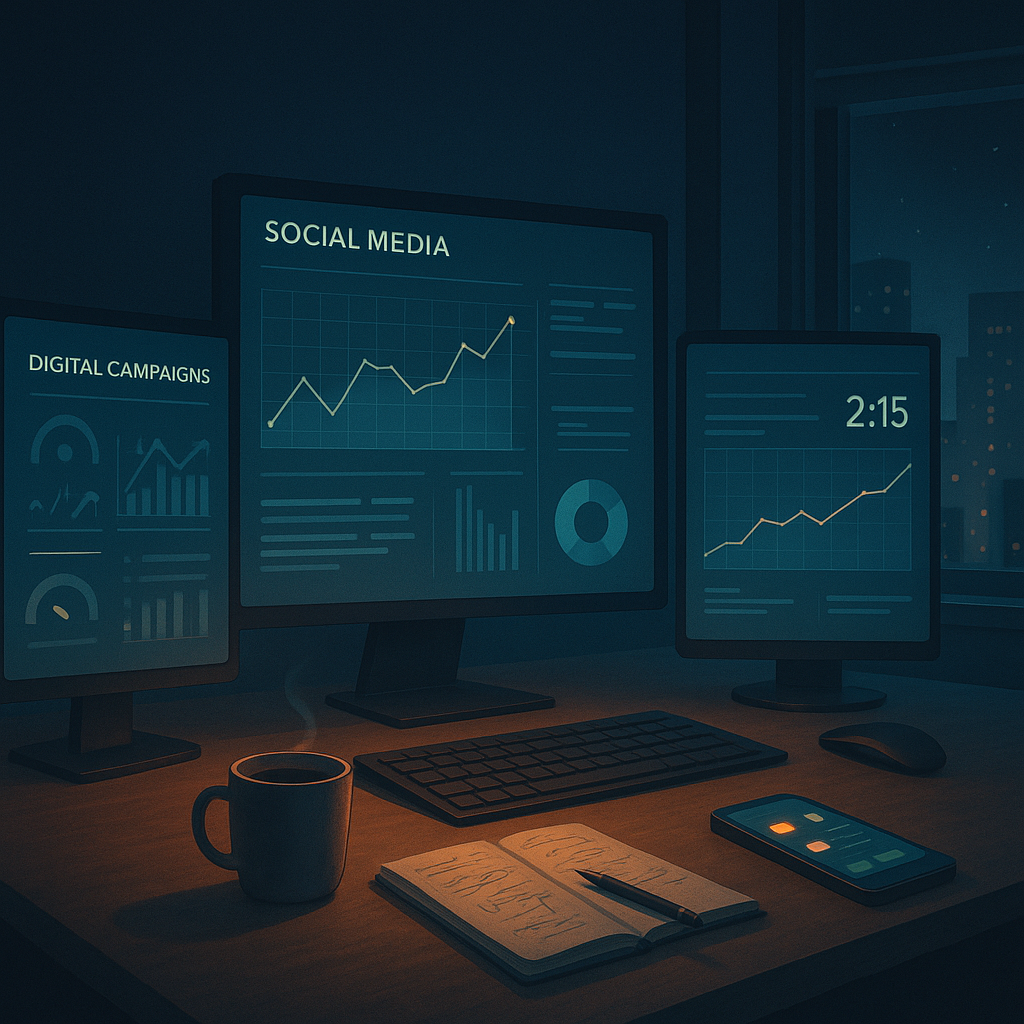
Hook: A Day in the Life of Taylor Lorenz—17 Hours On Screen
It is a startling revelation that Taylor Lorenz, renowned technology and culture journalist, reportedly spends almost 17 hours a day in front of screens. This fact, surfaced in early 2026 industry reports, immediately raises eyebrows and invites scrutiny. How does a leading digital culture voice sustain such an intense digital engagement? What does this mean for the digital marketing world she covers so closely? Lorenz’s screen time is not just a personal metric; it is a window into the relentless pace and pressures of digital communication, content creation, and consumption today.
For digital marketers, understanding the implications of Lorenz’s screen habits is critical. It signals how the boundaries between work and personal digital presence blur, how content ecosystems demand constant input and monitoring, and how marketers must navigate users’ increasingly saturated digital attention spans. The depth of her screen engagement offers a unique case study on the costs and strategies of high-volume digital interaction—an insight more relevant than ever in 2026.
Background: Evolution of Digital Engagement and Lorenz’s Rise
To contextualize Lorenz’s screen time, it is essential to trace the trajectory of digital culture and journalism. Taylor Lorenz rose to prominence during the early 2020s by pioneering coverage of internet subcultures, social media trends, and emerging technology phenomena. Her work often requires rapid, real-time interaction with digital platforms to capture the zeitgeist, frequently necessitating intense screen involvement.
Since the late 2010s, digital marketing and media consumption habits have evolved drastically. According to data from Nielsen and other analytics firms, average daily screen time for Americans rose steadily from roughly 6–7 hours in 2018 to over 9 hours by 2024. The COVID-19 pandemic accelerated this trend by shifting social, professional, and entertainment activities online. By 2026, professionals in digital media, like Lorenz, have become emblematic of these shifts, embodying extreme screen immersion.
While Lorenz’s screen time is exceptional, it reflects broader industry dynamics. Journalists and content creators now operate in a hyper-competitive digital environment where audience engagement depends on constant presence and responsiveness. This environment has driven the normalization of extended screen exposure, especially among influential digital marketers and communicators.
Core Analysis: Data and Comparisons on Screen Time in Digital Professions
Delving into the quantitative side, the 17-hour figure attributed to Taylor Lorenz demands scrutiny against broader screen time data. The average digital marketer in 2026 reportedly spends between 10 and 12 hours daily on screens, reflecting work demands, social media monitoring, content creation, and analytics review. Lorenz’s figure surpasses this average significantly, suggesting a near-continuous digital engagement.
Key contributing factors to her screen time include:
- Multiplatform Monitoring: Lorenz covers multiple social media platforms simultaneously, including TikTok, Instagram, Twitter, and emerging niche networks, necessitating concurrent usage.
- Content Creation and Editing: Writing, video editing, and live-streaming activities often require extended screen exposure.
- Community Interaction: Engaging with followers, sources, and digital communities intensively throughout the day.
- News Cycle Demands: Rapid response to breaking news and trends demands constant vigilance.
Comparatively, data from a 2025 survey by the Digital Marketing Institute shows that 85% of marketers feel screen time negatively impacts their health, with issues ranging from eye strain to mental fatigue. Lorenz’s case highlights how industry leaders push these limits further. Yet, it also underlines a paradox: the very tools that enable digital storytelling and marketing success simultaneously pose risks to well-being.
"Taylor Lorenz’s screen time exemplifies the digital professional’s paradox: relentless connectivity fuels influence but threatens sustainability," notes Dr. Helena Cruz, a digital media health researcher.
From a marketing perspective, this extreme screen exposure also reflects on audience behaviors. Users themselves are increasingly glued to screens, with some demographics averaging 12+ hours daily, especially Gen Z and Gen Alpha cohorts. This reality compels marketers to optimize content for constant digital consumption, emphasizing brevity, interactivity, and platform-specific nuances.
Current Developments in 2026: Screen Time, AI Assistance, and Content Saturation
The year 2026 has seen significant shifts in how digital professionals manage screen time amid growing content saturation. AI-powered tools now automate many routine tasks, such as social listening, content scheduling, and analytics reporting. However, Lorenz’s heavy screen involvement illustrates that AI augmentation has not yet replaced the need for human judgment, creativity, and real-time engagement in digital journalism and marketing.
Moreover, the trend of immersive digital experiences—augmented reality (AR), virtual reality (VR), and mixed reality (MR)—has expanded screen time into new dimensions. Lorenz has reportedly integrated AR tools to visualize data and social trends, further extending her digital engagement hours.
Yet, concerns about digital burnout and mental health are rising. Industry groups and companies have introduced guidelines and tools encouraging screen time management and digital detoxes. Some platforms have implemented features that nudge users to take breaks or limit continuous scrolling—a response to growing awareness of screen fatigue.
For digital marketing strategists, these developments mean recalibrating campaigns to balance engagement with user well-being. Brands are increasingly investing in authentic, meaningful interactions over sheer volume. This shift is documented in the recent TheOmniBuzz piece on 5 Essential Shifts Transforming Digital Marketing Strategies Today, which highlights the trend toward quality over quantity in digital content.
"The future of digital marketing lies not in monopolizing screen time but in earning meaningful attention when it counts," argues marketing analyst Raj Patel.
Expert Perspectives: Industry Impact and Health Implications
Experts across health, technology, and marketing sectors are weighing in on the implications of high screen time exemplified by Taylor Lorenz. Psychologists warn that prolonged screen exposure correlates with increased risks of anxiety, depression, and sleep disorders. Occupational health specialists emphasize ergonomics and digital hygiene as critical for sustainability in digital careers.
From an industry standpoint, Lorenz’s screen time underscores the pressures on digital content professionals to maintain constant connectivity, often at the expense of personal health. Media organizations are increasingly adopting policies to support healthier digital habits, including mandatory offline periods and flexible scheduling.
Marketing leaders are also reconsidering how to engage consumers who, like Lorenz, face screen fatigue. There is a growing emphasis on:
- Interactive formats that encourage user participation rather than passive consumption
- Cross-platform strategies that distribute content to avoid oversaturation on any single channel
- Integration of offline touchpoints to complement digital campaigns
These shifts represent a more holistic approach to digital marketing, aiming to sustain both creator and consumer engagement over the long term. The lessons from Lorenz’s experience are influencing how agencies and brands architect their digital presence.
What to Watch: Future Outlook and Strategic Takeaways
The phenomenon of Taylor Lorenz’s 17-hour screen time serves as a cautionary tale but also a blueprint for navigating the complexities of digital marketing in 2026 and beyond. As AI tools mature, some of the burdens of constant digital presence may ease, but the human element of creativity, authenticity, and community interaction remains irreplaceable.
Marketers should take away several actionable insights:
- Prioritize Digital Well-being: Encourage screen time limits and promote healthy digital habits within teams and audiences.
- Leverage AI Wisely: Use automation to reduce redundant tasks but retain human oversight for strategic and creative functions.
- Focus on Engagement Quality: Develop content that fosters genuine interactions rather than maximizing time-on-screen metrics.
- Adopt Multichannel Strategies: Diversify content distribution to prevent audience fatigue and broaden reach.
- Monitor Emerging Tech: Stay attuned to AR/VR innovations that may redefine screen engagement paradigms.
Additionally, readers interested in the broader socio-economic pressures shaping modern life may find parallels in TheOmniBuzz’s analysis of Why Housing Affordability Is the Defining Challenge of Our Time, which explores how systemic stresses influence personal and professional behaviors.
Ultimately, Taylor Lorenz’s extraordinary screen engagement spotlights critical tensions in digital marketing: the necessity to be omnipresent versus the imperative to sustain mental and physical health. Navigating this balance will define the next evolution of digital professional practices and marketing strategies.