Tattoos can be meaningful, artistic, and deeply personal. They often represent a moment in time—a belief, a relationship, or a milestone. But life doesn’t stand still. What felt right at 20 may not feel the same at 35. Tastes change. Goals shift. Sometimes the artwork simply fades or no longer reflects who you are.
If you’re considering tattoo removal in Burlington, you’re far from alone. More people than ever are choosing to remove or lighten tattoos for personal, professional, or aesthetic reasons. The good news is that modern removal methods are far more advanced, safe, and effective than they were years ago.
In this article, we’ll explain how the process works, what you can expect, how long it takes, and what to think about before starting. Everything is written in plain, everyday language so you can feel confident and informed.
Why Do People Decide to Remove a Tattoo?
There’s no single reason someone chooses removal. Every story is different.
Some people have a tattoo tied to a past relationship. Others got ink when they were young and spontaneous, only to realize later that it doesn’t match their current lifestyle. Some want to improve their job prospects. And sometimes, the tattoo just didn’t turn out the way they hoped.
Think of it like redecorating your home. You may have loved that bright paint color years ago, but now you want something calmer and more timeless. Removing a tattoo can feel like repainting a wall—it’s about creating a look that fits your present life.
How Does Tattoo Removal Actually Work?
The most common and effective method today uses laser technology. The idea might sound complicated, but the basic concept is surprisingly simple.
A tattoo is made of tiny ink particles placed under the top layer of your skin. Your body’s natural cleaning system—your immune system—tries to remove foreign substances, but tattoo ink particles are too large to be carried away easily. That’s why tattoos last so long.
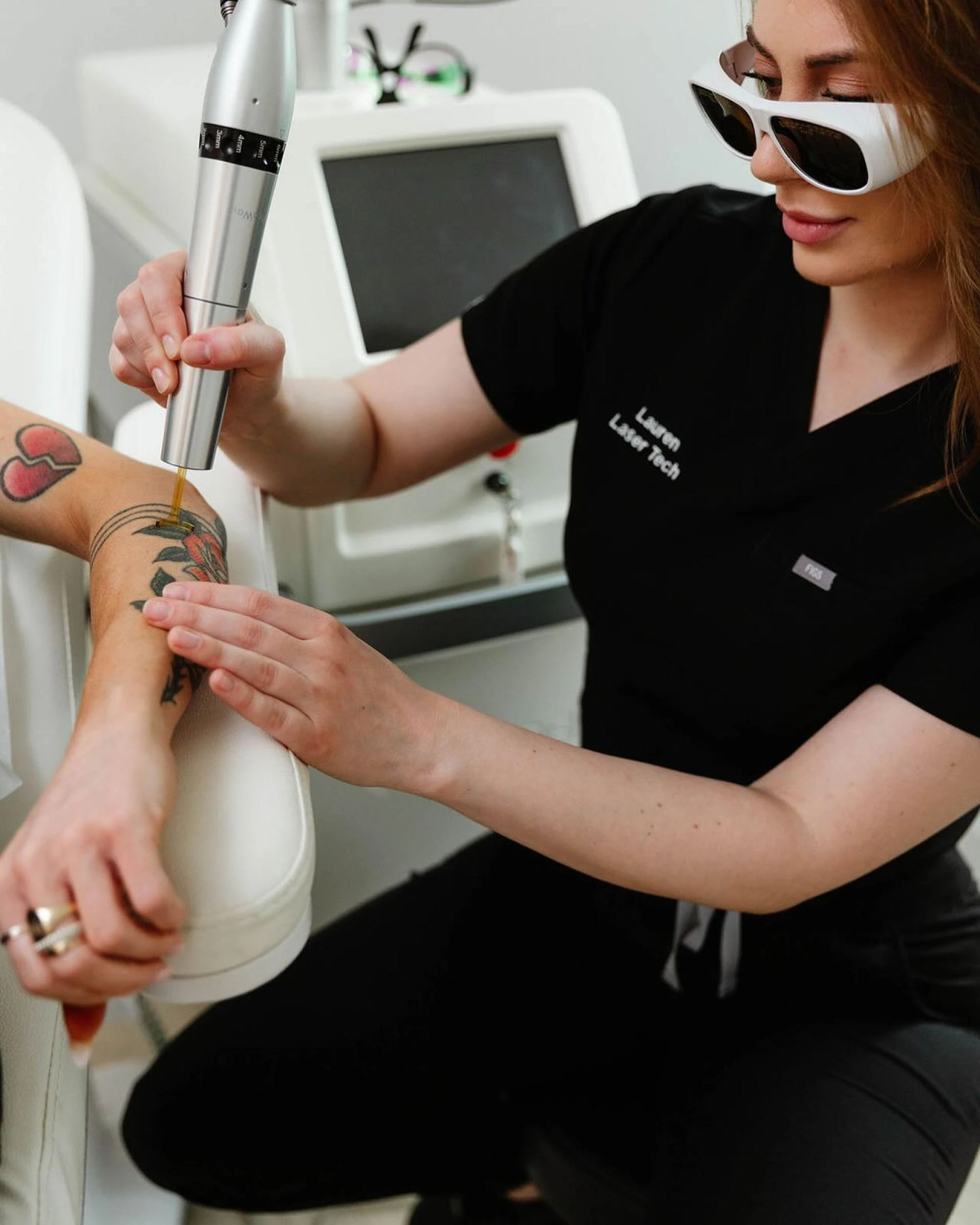
Laser treatment works by sending short bursts of light into the ink. This light energy breaks the large ink particles into much smaller pieces. Once the pieces are small enough, your body can gradually clear them away over time.
Picture a big ice cube sitting on your driveway. It won’t disappear instantly. But if you crush it into tiny bits, the sun can melt them much faster. That’s similar to what the laser does to the ink.
What Does the Treatment Feel Like?
This is usually the first question people ask.
Most clients describe the sensation as quick snaps against the skin—similar to a rubber band flick. It’s not completely painless, but it’s also not as intense as many imagine. Treatments are typically shorter than getting the original tattoo, especially for smaller designs.
Many clinics use cooling tools or numbing options to make sessions more comfortable. The feeling only lasts during the treatment itself, and once it’s over, the discomfort fades fairly quickly.
Pain tolerance varies from person to person. What feels uncomfortable to one person may feel mild to another. But overall, most people say it’s manageable and worth it.
How Many Sessions Will You Need?
Tattoo removal is not a one-time appointment. It’s a gradual process.
The number of sessions depends on several factors:
- Size of the tattoo
- Ink colors used
- Age of the tattoo
- Depth of the ink
- Your body’s natural healing ability
Black ink usually responds the fastest because it absorbs light well. Bright colors like green and blue may take more sessions.
On average, people need multiple treatments spaced several weeks apart. The waiting period between sessions gives your body time to flush out the broken-down ink particles.
Imagine trying to fade a dark stain from a white shirt. One wash might lighten it, but you’ll likely need several cycles to fully remove it. Tattoo removal works in a similar way.
What Happens During an Appointment?
Here’s what a typical session looks like:
- The area is cleaned and prepared.
- You’re given protective eyewear.
- The laser device is passed over the tattoo in quick pulses.
- The session may last anywhere from a few minutes to half an hour, depending on size.
- A soothing product or bandage is applied afterward.
You can usually return to your normal routine right away, though you’ll need to protect the treated area while it heals.
What Is the Healing Process Like?
After a session, it’s normal for the skin to appear red or slightly swollen. Some people notice mild blistering or scabbing. This is part of the body’s natural response.
The treated area may feel similar to a mild sunburn for a couple of days. Most side effects settle down within a week.
Good aftercare plays an important role in results. You’ll likely be advised to:
- Keep the area clean and dry
- Avoid direct sunlight
- Skip swimming pools and hot tubs for a short time
- Avoid picking at scabs or blisters
Think of your skin like fresh grass after planting seeds. It needs time and gentle care to grow back evenly. Rushing the process or interfering with healing can affect the final outcome.
Can Every Tattoo Be Fully Removed?
Modern technology can significantly fade most tattoos and often remove them completely. However, results vary depending on ink type, skin tone, and how the tattoo was originally applied.
Older tattoos sometimes fade faster because the ink may already be slightly broken down by time. Professional tattoos often contain denser ink, which can require more sessions.
In some cases, full removal isn’t the goal. Many people choose to lighten a tattoo enough for a cover-up. Fading the original design gives a tattoo artist more flexibility and better final results.
A consultation with a trained professional can give you a realistic idea of what to expect.
Is Tattoo Removal Safe?
When performed by experienced professionals using proper equipment, laser tattoo removal is considered safe.
The key is choosing a reputable provider. Proper training ensures the correct settings are used for different skin tones and ink colors. Using the right approach minimizes the risk of scarring or long-term skin changes.
Temporary side effects like redness or mild swelling are common, but serious complications are rare when treatments are done properly.
Always be open about your medical history during your consultation. Certain conditions or medications may affect healing, so full honesty helps ensure the safest experience.
How Much Does It Cost?
Pricing depends on several things:
- The size of your tattoo
- The number of sessions required
- The clinic’s expertise and equipment
- The complexity of the design
Small tattoos cost less per session than larger, detailed pieces. Many clinics offer package deals or payment plans to make the process more manageable.
Instead of thinking of it as a single expense, it’s helpful to view it as a step-by-step investment in your appearance and confidence.
Choosing the Right Clinic in Burlington
Not all providers are the same. Before booking, consider these factors:
Experience Matters
Look for a clinic that specializes in removal rather than offering it as an occasional service.
Updated Technology
Modern laser systems are more precise and comfortable than older models.
Clear Communication
You should feel comfortable asking questions and receiving straightforward answers.
Honest Expectations
A trustworthy clinic will explain what’s realistic rather than promising instant results.
When researching options, many people begin by searching for Laser Tattoo Removal Near Me. While convenience is important, expertise and safety should be your top priorities.
Preparing for Your First Visit
Getting ready for your consultation is simple.
- Avoid tanning before treatment.
- Stay hydrated.
- Keep the area clean.
- Avoid applying heavy lotions on the day of your session.
During the consultation, the provider will examine your tattoo and discuss your goals. You’ll receive a rough estimate of sessions and cost.
Think of this stage as creating a roadmap. You’re planning the journey so there are no surprises along the way.
Common Misunderstandings About Tattoo Removal
Let’s clear up a few myths.
“It Leaves Permanent Scars”
When done correctly, scarring is uncommon. Most people heal smoothly.
“It Works Instantly”
Removal is gradual. Patience is part of the process.
“It’s More Painful Than Getting the Tattoo”
While sensations vary, sessions are typically shorter than tattoo appointments.
“Only Certain People Can Do It”
Modern lasers can be adjusted for various skin tones, making treatment accessible to many individuals.
Understanding the truth helps you make a confident decision.
Emotional Benefits of Removal
Tattoo removal isn’t just about skin—it’s often about peace of mind.
Some people feel a renewed sense of confidence once a tattoo is faded or gone. Others describe it as closing a chapter in their lives. Whether it’s tied to a past relationship or simply a younger version of yourself, removing it can feel freeing.
It’s not about regret. It’s about growth and change.
Conclusion
Tattoos tell stories. Some stories stay with us forever. Others represent moments we’ve moved beyond.
If you’re thinking about tattoo removal in Burlington, understanding how the process works can help you move forward with clarity. Laser technology breaks down ink into smaller pieces that your body naturally clears away over time. It requires multiple sessions, proper aftercare, and patience—but many people find the results well worth it.
Whether your goal is full removal or fading for a cover-up, today’s treatments offer safer and more effective options than ever before. By choosing an experienced clinic and following professional guidance, you can take steady steps toward clearer skin.
Your body reflects your journey. And if you’re ready for a new chapter, tattoo removal may be the right next step.