
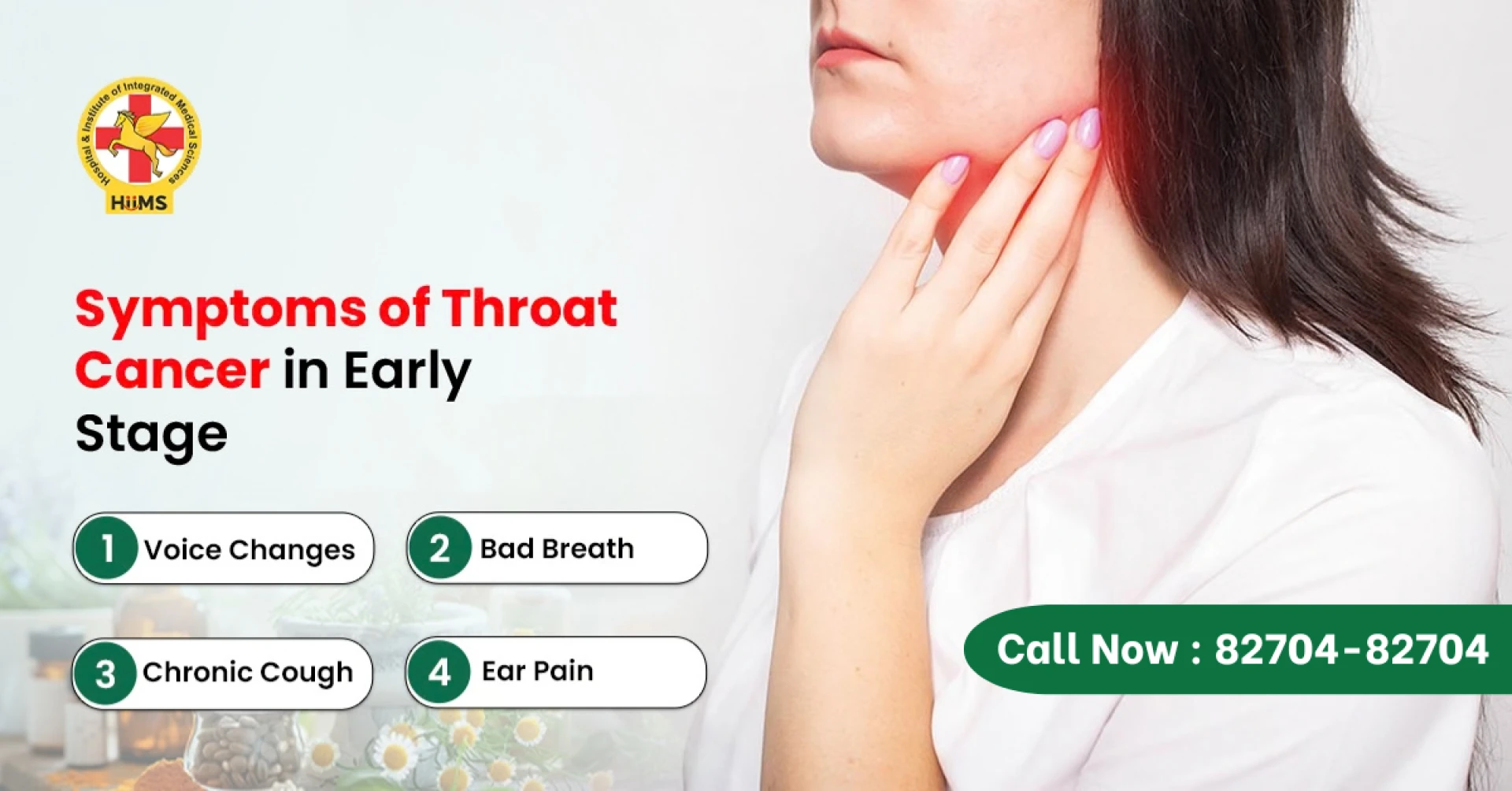
The throat plays an important role in everyday life. It allows us to breathe, helps move food and liquids safely into the body, and enables us to speak clearly. Because these functions happen naturally without effort, small changes such as mild irritation or slight hoarseness are often ignored. However, when throat discomfort or voice changes continue for longer than usual, it becomes important to pay attention.
This article explains the symptoms of throat cancer in simple and practical terms. It highlights early warning signs that people should be aware of, discusses common risk factors, and briefly explains how doctors evaluate throat-related concerns. The goal is to help readers understand which symptoms may require medical attention and which minor issues can often improve with basic care.
Understanding these early signals can help individuals respond calmly and take timely action when necessary.
What Is Throat Cancer?Throat cancer develops when cells in the throat begin to grow abnormally and uncontrollably. This condition can affect different parts of the throat, including the pharynx, which forms the main passage for air and food, the larynx, which contains the voice box, and the tonsils located at the back of the mouth.
During the early stage, changes in throat tissue may be subtle. Mild irritation or small abnormal areas may appear, which is why learning the early signs of throat cancer is important. Recognizing unusual patterns early allows people to seek medical advice before the condition progresses.
Early Signs of Throat Cancer That Are Often IgnoredIn many cases, throat cancer begins with small but persistent symptoms. A sore throat that does not improve with regular care, long-lasting hoarseness in the voice, or a feeling that something is stuck while swallowing may appear first.
These are among the common symptoms of throat cancer that individuals frequently report during initial medical visits. Some people may also experience ear pain even when no ear infection is present. A small lump in the neck that does not cause pain can also be an early indication.
Although these signs do not always mean cancer, they should not be overlooked if they continue for several weeks.
Warning Signs That Need Immediate AttentionIf throat symptoms become stronger or occur together, medical evaluation should be arranged quickly. Persistent coughing, unexplained weight loss, breathing difficulty, or bleeding from the throat or mouth are considered serious warning signs.
Doctors treat these symptoms with urgency because they may indicate advanced throat conditions. While these signs can have several causes, prompt evaluation helps rule out serious problems and ensures proper care is provided as early as possible.
Common Risk Factors for Throat CancerCertain lifestyle habits and environmental exposures may increase the risk of developing throat cancer.
Some of the most common risk factors include:
- Long-term use of tobacco products
- Excessive alcohol consumption
- Infection with human papillomavirus (HPV)
- Poor dietary habits or nutritional deficiencies
- Continuous exposure to pollutants or irritants
Understanding these risk factors allows individuals to make healthier lifestyle choices that support overall throat health and reduce potential risks.
When to Seek Medical AdviceA simple rule can help determine when to seek professional guidance. If throat symptoms such as pain, hoarseness, or difficulty swallowing persist for more than two weeks despite normal care, it is advisable to consult a healthcare professional.
Keeping track of how long symptoms last and noting any new changes can make medical consultations more effective and informative.
Conclusion
Paying attention to persistent throat symptoms can make an important difference in maintaining health. Knowing the symptoms of throat cancer helps people distinguish between minor throat irritation and signs that may require medical attention.
Early evaluation, clear communication with healthcare professionals, and positive lifestyle changes can help reduce uncertainty and support better health decisions. At Jeena Sikho HiiMS, individuals receive integrated evaluation and personalized care focused on overall well-being.
To arrange a consultation, call +91 82704-82704 or email [email protected]. Early assessment often simplifies treatment decisions and helps patients and families stay informed throughout the care process.
FAQs
1. What early symptom should prompt a throat check?
A sore throat or hoarseness that continues for more than two weeks should be evaluated by a healthcare professional.
2. Which habit increases throat cancer risk the most?
Long-term tobacco use and heavy alcohol consumption are among the leading risk factors.
3. How do doctors confirm a throat problem?
Doctors usually perform a physical examination of the throat and may recommend additional tests for confirmation.
4. What treatment approaches may be considered?
Treatment plans can vary depending on the stage and overall health condition and may include medical care, dietary guidance, and supportive therapies.
5. How can someone protect throat health while waiting for tests?
Drinking adequate water, avoiding smoke or irritants, eating balanced meals, and monitoring symptoms can support throat health during this period.