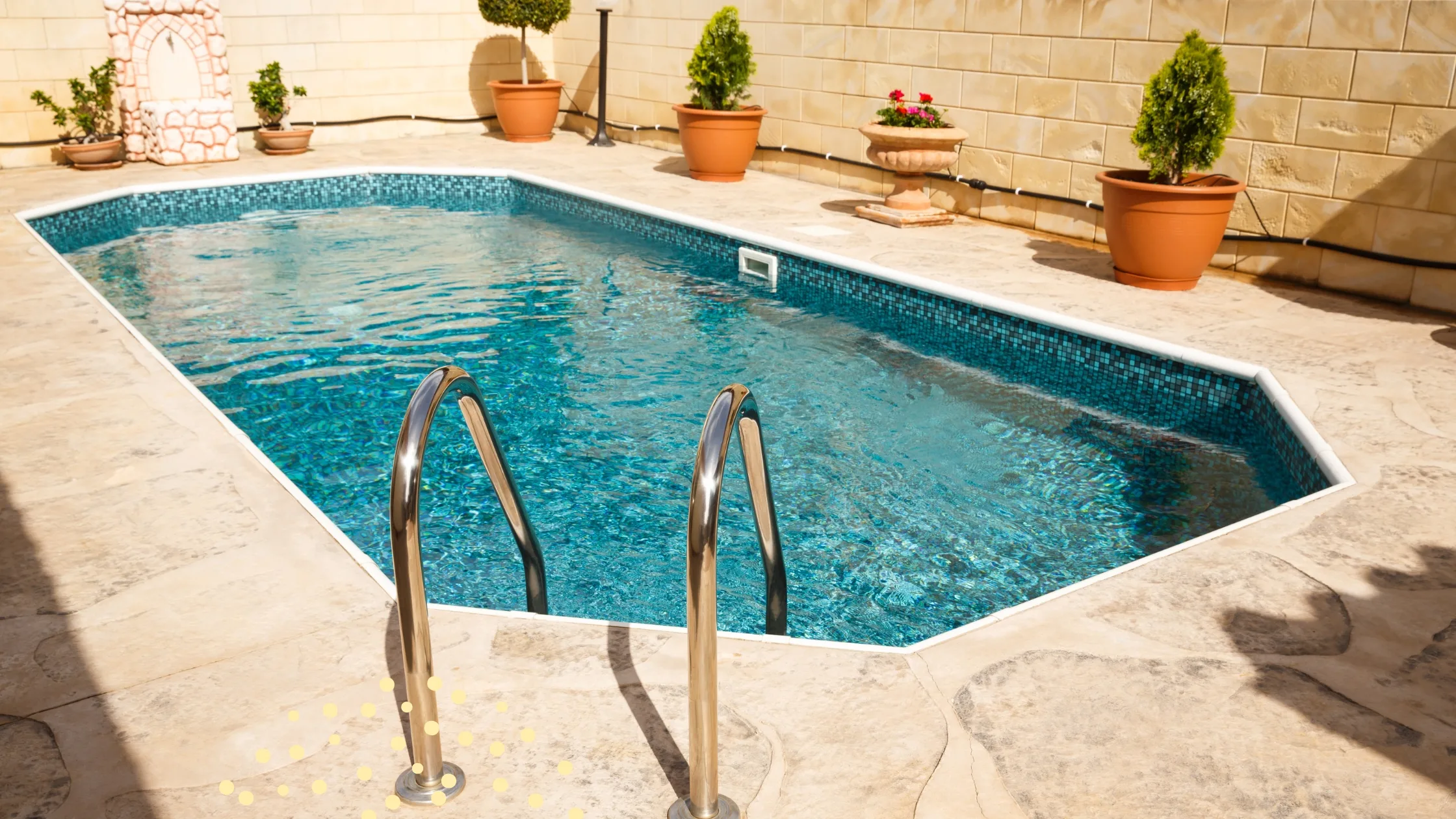
Swimming pool construction is not simply about digging land and filling it with water. The distinction is structural, operational, and long-term financial — not aesthetic. Many property owners focus only on pool size or tile finishes while ignoring excavation quality, waterproofing systems, filtration engineering, and lifecycle operating costs.
As a result, homeowners, villa developers, resorts, and commercial property investors often face leakage issues, rising maintenance expenses, delayed approvals, or poorly designed circulation systems that increase repair costs within a few years. This guide explains how swimming pool construction actually works in 2026, what impacts project pricing, and how buyers can make financially sound decisions before hiring a swimming pool construction company.
What 2026 Data Reveals About Swimming Pool Construction
According to global construction trend reports, luxury residential outdoor investments increased by over 22% between 2024 and 2026, with custom swimming pool construction ranking among the top three property upgrades. Rising temperatures, wellness-focused architecture, and premium rental demand continue driving this trend.
Meanwhile, construction material inflation has increased concrete, waterproofing membrane, and filtration equipment costs by approximately 11–16% across many markets. Therefore, delaying projects often increases total project budgets rather than reducing them.
Additionally, smart automation adoption in modern swimming pool construction has grown significantly. Automated filtration systems, energy-efficient pumps, and AI-controlled water treatment systems are now becoming standard rather than optional.
For property owners, this means one thing: the lowest quotation rarely delivers the lowest lifetime cost.
What Swimming Pool Construction Actually Covers
Phase / FeatureWhat It Specifically CoversSite InspectionSoil testing, elevation review, drainage analysisPool ExcavationDigging, debris removal, ground stabilizationStructural EngineeringRCC framework, steel reinforcement, load calculationsWaterproofingMulti-layer chemical waterproofing systemsPool Plumbing and Filtration SystemsCirculation pipes, skimmers, filtration unitsElectrical IntegrationLighting systems, underwater LEDs, automation wiringLuxury Swimming Pool DesignInfinity edges, waterfalls, deck integrationFinishing MaterialsMosaic tiles, coping stones, anti-slip surfacesFiberglass Swimming Pools InstallationFactory-molded shell fitting and reinforcementTesting & CommissioningLeak testing, water balancing, operational verificationA professional residential pool builder evaluates each phase as part of a complete operational system rather than treating them as isolated construction tasks.
The Gap Nobody Is Talking About
Most buyers still believe pool construction costs are determined primarily by pool size. That assumption is outdated.
In reality, underground conditions, waterproofing methods, hydraulic engineering quality, and circulation efficiency often influence long-term costs far more than dimensions alone. A poorly engineered filtration layout can increase electricity usage for years. Similarly, weak waterproofing frequently creates structural leakage that becomes visible only after project completion.
This issue is especially common in rooftop swimming pool construction projects, where improper load calculations lead to structural stress and recurring waterproofing failures.
The implication is simple: buyers who compare only price-per-square-foot usually underestimate total ownership costs.
What Top Property Owners Do Differently
Successful property owners approach swimming pool construction as a long-term infrastructure investment rather than a decorative addition.
1. They Prioritize Engineering Before Design
Top developers finalize structural calculations, soil analysis, and circulation planning before discussing tile patterns or visual features. Consequently, project durability improves substantially.
2. They Evaluate Lifecycle Costs
Experienced investors compare maintenance, electricity, and repair costs over 10 years instead of focusing only on installation budgets. Therefore, energy-efficient filtration systems become financially attractive.
3. They Invest in Scalable Automation
Smart pool monitoring systems reduce chemical imbalance risks while improving maintenance efficiency. As a result, operating costs decrease significantly.
4. They Choose Specialized Contractors
Commercial pool construction requires expertise in waterproofing chemistry, hydraulic balancing, and structural engineering. General contractors often lack this specialization.
5 Key Performance Drivers
- Waterproofing Quality — Prevents structural leakage — poor execution leads to expensive reconstruction.
- Filtration Efficiency — Maintains water clarity — weak systems increase chemical consumption.
- Structural Reinforcement — Protects long-term durability — inadequate steel reinforcement risks cracking.
- Circulation Design — Improves water movement — poor layouts create stagnant zones and algae growth.
- Material Selection — Impacts aesthetics and maintenance — low-grade finishes deteriorate quickly.
Concrete Pools vs Fiberglass Swimming Pools — Decision Matrix
CriteriaConcrete PoolsFiberglass Swimming PoolsTime to Value8–14 weeks2–5 weeksUpfront CostHigherModerateLong-Term CostLower with proper maintenanceModerate repair costsCustomizationUnlimited design flexibilityLimited shapesDurabilityExtremely durableGood but shell-dependentRisk ExposureWaterproofing-sensitiveTransportation-sensitiveScalabilityIdeal for luxury projectsBetter for standard residential projectsBest Suited ForResorts, villas, commercial spacesFast residential installationsConcrete pools dominate luxury swimming pool construction because they allow advanced architectural customization, including infinity edges, beach entries, and integrated water features.
Real-World Proof
Case Study 1 — Luxury Villa Project in Goa
A premium villa developer faced recurring delays during custom swimming pool construction because previous contractors underestimated groundwater pressure conditions. Leakage risks increased projected maintenance expenses by nearly 28%.
After redesigning the waterproofing and drainage system, the project achieved successful completion within 11 weeks while reducing expected maintenance costs by 34%.
Lesson: Ground condition analysis directly impacts long-term pool reliability.
Case Study 2 — Boutique Resort in Bengaluru
A hospitality operator planned commercial pool construction with a focus on reducing operational expenses. However, the original circulation system design created uneven filtration performance and excessive chemical usage.
Following a hydraulic redesign and automated filtration upgrade, the resort reduced monthly maintenance expenses by 22% while improving guest satisfaction ratings.
Lesson: Pool plumbing and filtration systems influence both operating cost and customer experience.
How Resgroup Solves This
Resgroup approaches swimming pool construction through integrated engineering, architectural coordination, and lifecycle-focused execution. The company specializes in modern swimming pool construction with emphasis on structural durability, waterproofing precision, energy-efficient systems, and scalable project management. Moreover, Resgroup combines luxury swimming pool design expertise with practical operational planning, helping homeowners and commercial developers reduce long-term maintenance risks while improving project efficiency.
If you are planning a residential or commercial pool project in 2026, Resgroup can help you evaluate the right design, construction model, and budget strategy for your property.
Evaluation Checklist
- Structural Design Validation — Ensure engineering calculations match soil and load conditions.
- Waterproofing Specifications — Verify chemical systems and warranty coverage before construction begins.
- Filtration Capacity Review — Confirm circulation systems match pool volume requirements.
- Material Durability — Choose finishes suitable for climate and chemical exposure.
- Automation Compatibility — Check whether future smart upgrades are possible.
- Maintenance Planning — Understand annual operating expenses before approval.
- Contractor Specialization — Select a swimming pool construction company with proven execution experience.
- Regulatory Compliance — Verify municipal approvals and safety standards.
Mistakes to Avoid
Choosing Based Only on Lowest Cost
Low-cost contractors often reduce waterproofing layers, reinforcement quality, or filtration capacity. Consequently, repair expenses increase dramatically later.
Ignoring Soil Conditions
Poor excavation planning causes structural instability and water seepage. Therefore, site analysis should never be skipped.
Using Generic Plumbing Layouts
Every pool requires customized hydraulic balancing. Standardized layouts reduce filtration efficiency and create maintenance issues.
Overlooking Energy Consumption
Cheap pumps and outdated systems increase electricity expenses for years. Energy-efficient systems provide better long-term ROI.
Skipping Future Maintenance Planning
Many buyers focus only on installation budgets while ignoring annual upkeep requirements. This leads to financial surprises after project completion.
Frequently Asked Questions
Q: How much does swimming pool construction cost in 2026?
A: Costs vary based on size, design complexity, waterproofing requirements, and material selection. Residential projects may start from moderate budgets, while luxury swimming pool construction projects with automation and advanced features can cost significantly more. Additionally, rooftop and infinity pools typically require higher structural engineering investment.
Q: Which is better: concrete pools or fiberglass swimming pools?
A: Concrete pools offer greater customization and long-term durability, making them ideal for premium villas and resorts. Fiberglass swimming pools, however, allow faster installation and lower initial complexity. The right choice depends on project goals, timeline, and budget priorities.
Q: What factors increase residential swimming pool construction expenses?
A: Several variables influence cost, including excavation difficulty, waterproofing systems, luxury finishes, automation features, and circulation engineering. Furthermore, complex architectural integrations and rooftop swimming pool construction require additional structural support.
Q: How long does custom swimming pool construction usually take?
A: Standard projects generally take between 6–14 weeks depending on weather conditions, material availability, and design complexity. However, luxury or commercial projects often require longer timelines because of engineering coordination and compliance approvals.
Q: Why are pool plumbing and filtration systems so important?
A: These systems control water circulation, hygiene, and operational efficiency. Poor filtration design increases algae growth, chemical consumption, and electricity costs. Therefore, hydraulic planning directly impacts long-term maintenance performance.
Conclusion
Swimming pool construction is not merely a visual upgrade; it is a long-term engineering investment that affects operational cost, structural reliability, and property value. Buyers who focus only on upfront pricing often overlook the hidden impact of waterproofing quality, circulation engineering, and maintenance efficiency.
Before approving any project, review construction standards through official industry resources such as National Institute of Building Sciences to better understand infrastructure and construction best practices.
If you are planning modern swimming pool construction in 2026, Resgroup can help you build a scalable, durable, and cost-efficient solution tailored to your property goals.