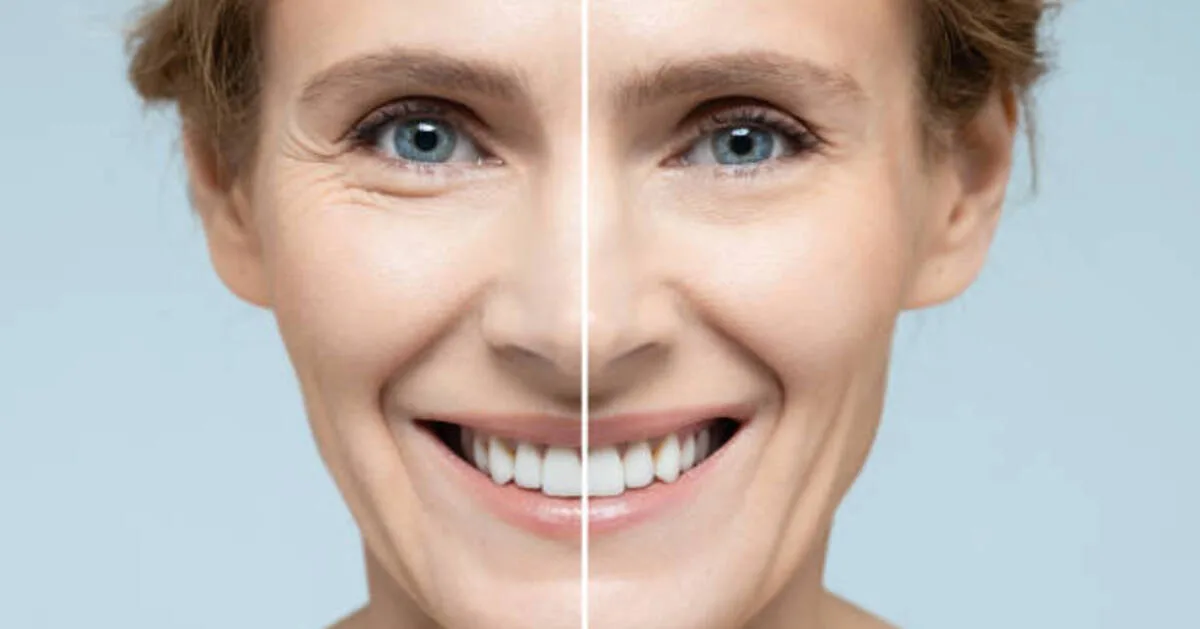
Facial aging is a gradual process that affects not only the skin’s surface but also the deeper structural layers of the face. Over time, individuals may notice sagging skin, deep folds around the nose and mouth, and a loss of facial definition. These changes often go beyond what topical treatments or minimally invasive procedures can address. In such cases, a surgical face lift is often considered as a more comprehensive solution. Unlike non-invasive methods that primarily target the skin’s surface, this procedure focuses on repositioning and supporting the underlying facial structures to achieve a more refined and balanced appearance.
How It Works
A surgical facelift is designed to restore a youthful contour by addressing both the skin and the deeper tissues beneath it. During the procedure, facial tissues are carefully lifted and tightened, excess skin is removed, and contours are reshaped to enhance natural features. Rather than simply stretching the skin, the approach works at a deeper level to rebuild structural support.
Key aspects of the procedure include:
- Repositioning deeper facial layers for improved support
- Reducing visible sagging and prominent folds
- Enhancing overall facial contours and definition
By focusing on the underlying framework of the face, the results tend to appear more natural and longer-lasting compared to surface-level treatments.
What Makes It Different
One of the main distinctions of a surgical facelift is its comprehensive nature. Non-surgical options, such as fillers or skin-tightening treatments, may offer temporary improvements in skin texture or mild laxity. However, they typically do not address significant structural changes. A surgical approach, on the other hand, is specifically intended for more advanced signs of aging.
This method allows for a more noticeable transformation, especially in areas where deeper sagging has occurred. While the results are generally longer-lasting, the procedure also involves a greater level of commitment, including preparation and recovery time.
Key Considerations
Before choosing this procedure, several important factors should be taken into account:
- Recovery period: Healing is an essential part of the process and may take several weeks, depending on individual circumstances.
- Long-term results: Outcomes are typically more durable compared to non-invasive treatments.
- Suitability: This option is best suited for individuals experiencing significant structural aging rather than minor skin concerns.
Final Perspective
Surgical approaches to facial rejuvenation are centered on correcting the deeper causes of aging rather than just treating visible symptoms. By restoring structural support and redefining facial contours, a surgical facelift offers a more lasting and impactful solution. For individuals seeking noticeable and enduring changes, it remains one of the most effective methods for achieving a refreshed and balanced appearance.