Introduction to B2B Outreach
In the competitive arena of B2B marketing, reaching your target audience effectively can make all the difference. Whether you are a budding startup or a seasoned enterprise, a well-thought-out outreach strategy can pave the way for meaningful partnerships and substantial growth. One essential element of this strategy is a reliable Bank Email List. A precisely curated database ensures that your outreach efforts hit the mark, allowing you to connect with the right individuals and foster valuable business relationships. By leveraging an accurate and segmented list, you can streamline your marketing efforts and maximize your return on investment.
Benefits of a Segmented Bank Contact Database
A segmented Bank Contact Database offers multiple advantages for your marketing campaigns. First, it allows you to reach the right decision-makers within organizations, increasing the likelihood that your message will be received and acted upon by those with purchasing authority. Second, segmentation improves marketing efficiency by enabling you to focus on well-defined groups, reducing wasted resources and maximizing campaign impact. By tailoring your efforts to specific segments, you can deliver more relevant content, improving engagement and response rates. Additionally, segmentation facilitates better tracking and analysis of campaign performance, allowing for data-driven adjustments and refinements.
Creating an Accurate Bank Email List
An accurate Bank Email List is built on the foundation of reliable data sources and thorough verification processes. Begin by sourcing information from industry directories, reputable data providers, and official company websites. To ensure the accuracy of each contact, cross-reference the data and establish direct communication when possible. Employ CRM software and data validation services to automate verification and keep your database up-to-date. Pay close attention to details like job titles, email addresses, and company affiliations to maintain the integrity of your list. By focusing on data accuracy, you can ensure your outreach efforts are targeting the right individuals and organizations.
Effective Segmentation Strategies
Segmentation is key to tailoring your marketing messages and improving engagement. To segment your Banking Email Database effectively, consider criteria such as industry, company size, and geographic location. For instance, the needs of a small community bank might differ significantly from those of a large multinational financial institution. Once segments are defined, craft personalized messages that address the specific challenges and goals of each group. This personalized approach increases the relevance of your communication, boosting the chances of a positive response.
Maintaining and Updating the Database
Regular maintenance of your Banking Mailing List ensures its ongoing accuracy and relevance. Begin by scheduling periodic data audits to identify and correct any outdated or erroneous information. Using automation tools can streamline this process, helping you track changes such as job title updates or email modifications efficiently. Employing a robust CRM system can also aid in managing and updating your contact database in real-time.
Another effective strategy is to implement a feedback loop with your sales and customer service teams. These teams often interact directly with your contacts and can provide valuable insights into any changes or inaccuracies in the database. Encourage them to report any discrepancies they encounter, which can then be promptly addressed.
Additionally, subscribing to industry updates and news can keep you informed about mergers, acquisitions, or any significant shifts within companies in your list. This information allows you to make necessary adjustments, ensuring your database remains current.
Utilize email verification services to periodically validate email addresses, reducing the risk of bounce-backs and maintaining your sender reputation. Ensure that you also have a process in place for handling opt-out requests promptly to comply with regulations and maintain trust with your contacts.
By dedicating time and resources to these maintenance practices, you can sustain the integrity and effectiveness of your Banking Mailing List.
Measuring Success in B2B Outreach
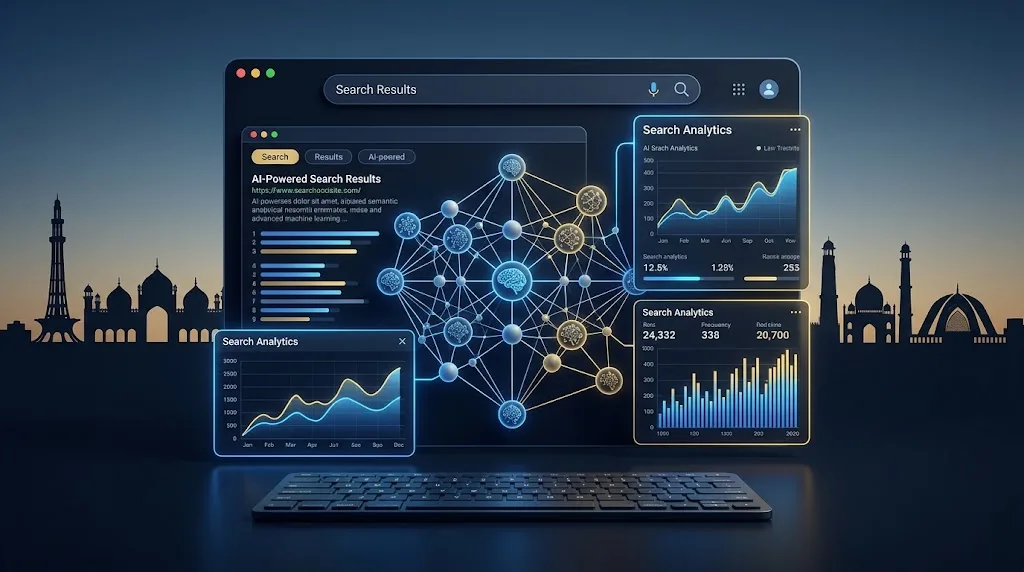
To gauge the success of your B2B outreach efforts, establish key performance indicators (KPIs) that align with your specific goals. Metrics such as open rates, click-through rates, and conversion rates provide valuable insights into how well your campaigns are performing. These metrics help you understand what is working and what needs adjustment, allowing for continual improvement.
Tracking open rates will show you how many recipients are engaging with your emails initially, while click-through rates indicate how compelling your call-to-action and content are. Conversion rates, on the other hand, reveal how effectively your outreach is translating into actual business opportunities or sales.
Use tools like Google Analytics or CRM software to monitor these metrics and gather data in real-time. This data-driven approach enables you to make informed decisions and fine-tune your strategies. For a more comprehensive analysis, segment your data to see which audience groups are responding the best. This can help you tailor your future campaigns even more precisely.
Feedback from your sales and customer service teams can also provide qualitative data that complements your KPIs. They can offer insights into the quality of leads generated and any common objections or questions they encounter, which can inform your next steps. Studying industry benchmarks and case studies can also provide context and inspiration for optimizing your outreach efforts.
Conclusion
A segmented and accurate bank contact database provides a strong foundation for effective B2B marketing. By focusing on segmentation, you can tailor your messaging to resonate with specific audience groups, improving engagement and response rates. Regular maintenance and updates ensure that your data remains reliable, helping you avoid wasted efforts on outdated or incorrect information. Employing automated tools and leveraging feedback from your sales and customer service teams can streamline this process, making your outreach more efficient. With a data-driven approach, you can continually refine your strategies based on performance metrics, leading to more successful campaigns. By prioritizing personalization and accuracy, your outreach efforts will be more likely to connect with the right individuals, driving meaningful business outcomes.