When temperatures are getting soar, keeping home cool and comfortable is the priority. In addition to boosting comfort, a well-maintained home encourages energy efficiency and reduces electricity bills.
Summer seasonal home maintenance can prevent your home from overheating, enhance airflow, and create a cool interior atmosphere.
Check the below list of primary summer home maintenance tips to maintain your home at a cooler temperature throughout the season.
1. Optimize Your Cooling System for Maximum Efficiency
Your air conditioner is your best friend in fighting summer heat. But if your AC is inefficient, it will make you struggle to cool your house and increase your electricity bills. Regular maintenance is the key to keeping your cooling system running at its best.
- Replace or clean air filters monthly to ensure maximum airflow and efficiency.
- Arrange a professional AC checkup to look for leaks, coolant levels, and overall functionality.
- Inspect and clean the vents to ensure the air passage is not obstructed by dust buildup.
- Upgrade to a smart thermostat that learns the best temperature control for optimal cooling.
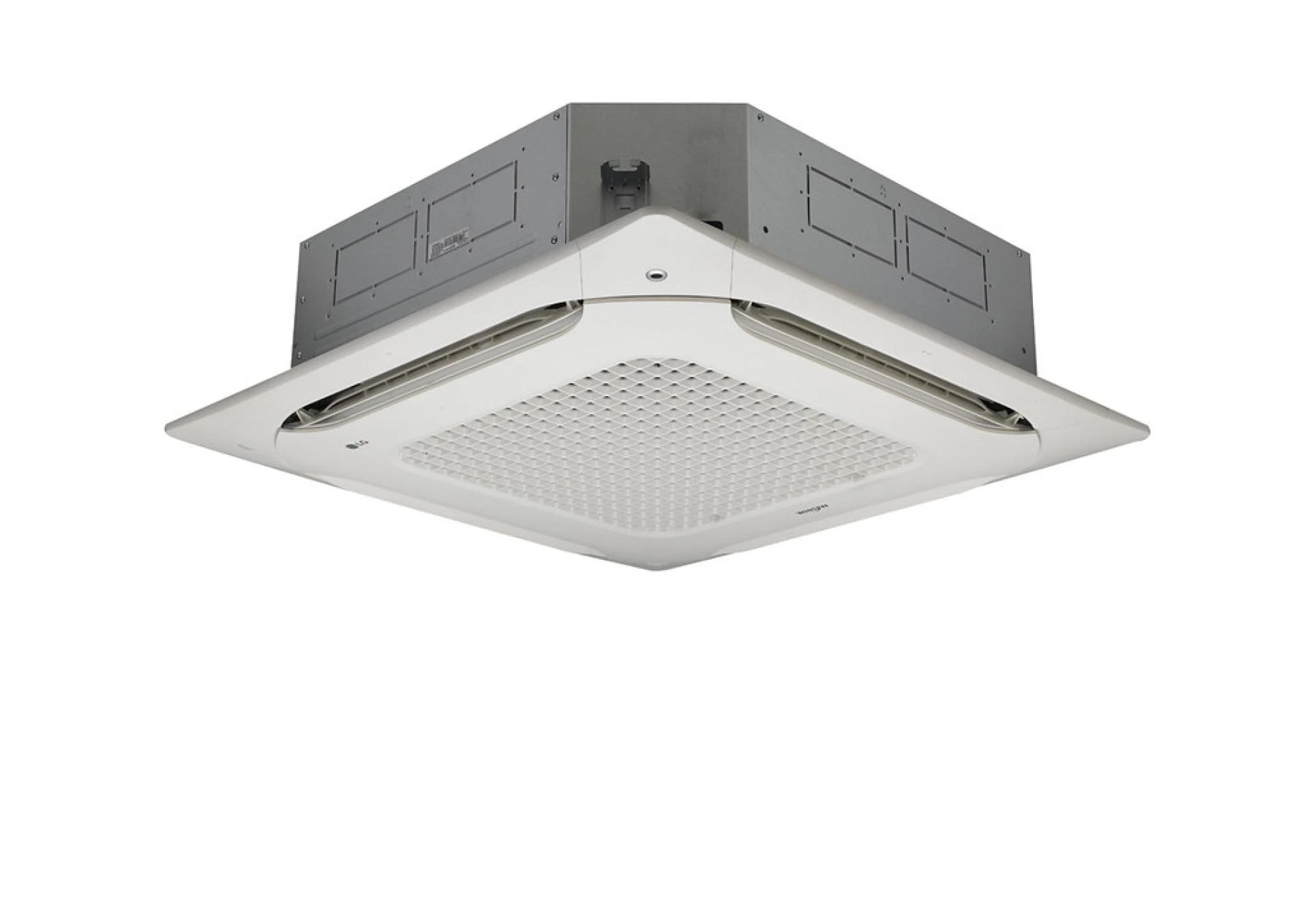
While looking for something with an even more high-end cooling system, roof AC can be an amazing choice for homeowners of large living spaces or house ceilings, particularly the ones that have extra height.
Although a roof AC ensures much better cooling access, it offers greater efficiency on energy than the old coolers.
2. Enhance Insulation to Keep the Heat Out
A properly insulated house can minimize heat penetration to a great extent, providing indoor temperatures without putting the air conditioner under excessive workload.
- Check your doors and windows for gaps and cracks and seal them properly using caulking or weather stripping.
- Add thermal blinds or curtains to prevent direct sunlight that has the likelihood of heating your interior spaces.
- Install attic insulation that keeps heat from entering, one of the major reasons indoor temperature is boosted.
- Utilize reflective window films that reflect heat away and continue to allow light into the rooms.
It is a long-term investment since it minimizes energy consumption and ensures that the indoor climate is warm with a comfortable temperature even during peak heat periods during summer.
3. Optimize Air Circulation with Ceiling Fans
Ceiling fans circulate cool air around the house, take the load off your AC and conserve energy.
- Adjust ceiling fans to blow air counterclockwise during summer to create a cooling breeze.
- Switch fans to medium speed to create a comfortable breeze.
- Use box or pedestal fans to push air in stagnant spaces, especially near windows to introduce fresh air.
- Use ceiling fans with air conditioning to circulate cool air more effectively, lowering the need to set the AC to a lesser temperature.
4. Embrace Natural Cooling Techniques
There are several natural ways that nature can cool your house without overloading your cooling system. Executing natural cooling techniques can conserve energy while keeping the indoor space at comfort levels.
- Open windows during the early morning and late evening to let cool, fresh air into your house.
- Plant trees or install outdoor shades like pergolas, awnings, or sunshades to prevent direct sunlight.
- Install light-colored or reflective roofing materials to reduce heat absorption.
- Position indoor plants like aloe vera, snake plants, and peace lilies, which possess natural air-cooling properties through moisture release.
5. Maintain Your Roof for Better Heat Resistance
Your roof also helps in controlling indoor temperatures. A damaged roof absorbs excessive heat, which makes it harder to cool your home.
- Inspect your roof for cracks, damages, or missing shingles and repair them as early as possible to prevent heat from entering inside.
- Reflective or cool roof coating can deflect the sun and reduce heat absorption.
- Ensuring ventilation of the attic to avoid heat entrapment that may result in higher temperatures indoors.
- The installation of a roof AC can also enhance cooling efficiency, particularly for multi-level homes where heat will tend to pool on the higher levels.
6. Upgrade to Energy-Efficient Appliances
Operating energy-efficient appliances not only saves heat but also electricity, thus making your home comfortable and affordable.
- Replace incandescent bulbs with less heat-emitting and less energy-consuming LEDs.
- Utilize energy-saving refrigerators, washing machines, and other domestic appliances that help to provide a cooler indoor climate.
- Choose an evaporative cooler or a dehumidifier to enhance air quality and minimize indoor heat.
- Switch off unused electronic appliances since they produce unnecessary heat even when in standby mode.
7. Manage Indoor Humidity Levels
Extra humidity makes your home warmer than the actual temperature. Regulating the amount of moisture indoors can contribute to overall comfort in addition to avoiding problems such as mold growth.
- Eliminate indoor humidity by using a dehumidifier to make the air comfortable.
- Repair all leaks or areas where there is standing water, as excess moisture adds to the humidity level.
- Supply good ventilation to kitchen and bathroom spaces to avoid humidity caused by cooking and showering.
- Use humidity-retaining houseplants, including ferns and Boston ivy, to keep moisture levels balanced automatically.
8. Adjust Your Daily Habits for a Cooler Home
You can make small lifestyle changes that will make a big difference in your home's indoor temperature and energy efficiency.
- Cook meals during cooler hours of the day or utilize outdoor barbecues to prevent heating up your kitchen.
- Restrict usage of heat-emitting appliances such as dryers, ovens, and dishwashers during the hottest hours of the day.
- Close windows and doors when warm to keep the house cooler inside.
- Encourage family members to dress in loose, light apparel that allows the body to cool.
9. Incorporate Smart Home Technology
Advanced smart home technology can be utilized to maximize cooling efficiency and prevent wastage of energy.
- Invest in a programmable thermostat that adjusts temperature automatically based on your schedule.
- Install smart blinds or shades that close automatically during sunny hours to block the sun.
- Install motion-sensing ceiling fans that switch on and off based on room use.
- Connect your AC and other cooling devices to a smart home system that allows remote temperature adjustment.
10. Outdoor Maintenance for a Cooler Home
Your outdoor space surrounding your house also plays an important role in keeping your indoor space cool.
- Water your grass and plant trees that provide shade to establish a cooler microclimate.
- Use outdoor misting systems or water features to cool ambient temperatures.
- Paint outside walls with heat-reflective paints to prevent heat absorption.
- Clean outdoor AC units regularly to maintain airflow and cooling effectiveness.
Conclusion
It's not simply a matter of cranking up the AC at full blast—a cooler home is an issue of intelligent maintenance, savvy upgrades, and natural cooling strategies.
With these summer home maintenance tips, you can establish a cool in-house environment with minimum energy consumption. Above are each process that adds up to enhanced comfort and delight this summer.
Stay cool and beat the heat with these easy but effective home maintenance tips!