In Thailand's tropical climate, homeowners are constantly looking for ways to manage the intense sun and sudden, heavy downpours. While these weather conditions can be a challenge, they also present a unique opportunity to enhance your home's exterior with a functional and beautiful addition. A well-designed awning can protect your home, lower indoor temperatures, and create a comfortable outdoor living space.
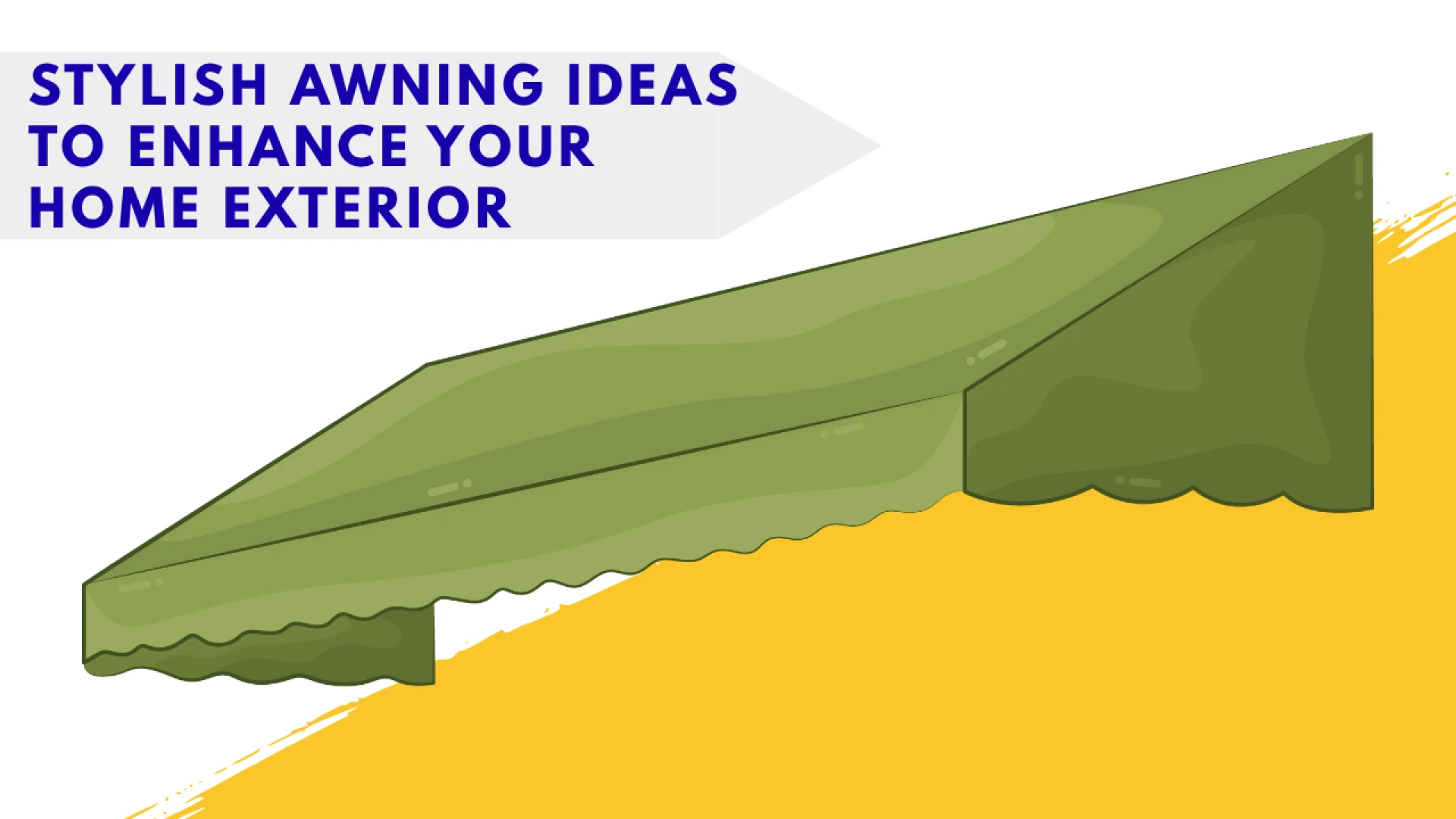
Choosing the right awning is more than just a practical decision; it's a design choice that can significantly elevate your home's curb appeal. The right home exterior awning, should be a seamless blend of form and function, complementing your home's architecture while providing essential protection. This article will explore a variety of stylish awning ideas and their benefits, offering a comprehensive guide for homeowners in Thailand looking to make a smart and beautiful investment.
Beyond Protection: The Multiple Functions of a Modern Awning
A modern awning is far more than just a simple overhang. Its design and placement can actively improve your home’s living environment in several ways, making it a valuable addition in Thailand's unique climate.
Climate Control and Energy Efficiency
Direct sunlight striking windows and doors can dramatically increase the temperature inside your home, forcing your air conditioning system to work harder. By effectively shading these areas, an awning can significantly reduce the amount of heat that enters your home. This leads to a cooler and more comfortable indoor environment, which in turn can help lower your electricity bills. This passive form of climate control is a key benefit, especially during the long, hot months of the year.
Creating Usable Outdoor Spaces
An awning can transform an underutilized patio, balcony, or terrace into a comfortable, all-weather living space. It provides a dry, shaded area for relaxation, dining, or entertaining, regardless of whether the sun is beating down or a sudden rain shower begins. This expands the functional area of your home, allowing you to enjoy Thailand's beautiful weather without being at its mercy.
Protecting Your Home's Structure
Constant exposure to rain and intense sunlight can take a toll on your home's exterior. Over time, UV rays can fade paint and lead to the degradation of window frames and door casings. An awning acts as a protective shield, preserving the integrity of your home's structure and reducing the need for costly maintenance and repairs.
Choosing the Right Awning for Your Home Style
The best awning is one that harmonizes with your home's architecture. Here are some popular ideas that can be adapted to various styles of homes in Thailand.
The Sleek and Modern Look
For modern townhouses, minimalist designs, or homes with clean lines, a sleek awning is an ideal choice. Materials like translucent polycarbonate or clear tempered glass can provide excellent protection while allowing natural light to filter through. These materials create a contemporary aesthetic that doesn't feel heavy or intrusive. A flat-panel design with a subtle pitch is often preferred to maintain the clean lines of a modern home.
The Traditional and Classic Style
Many homes in Thailand, from traditional-style houses to those with colonial influences, benefit from a more classic awning design. Materials like corrugated metal sheets or patterned fiber cement can be used to create a timeless look. A curved or arched awning can add a touch of elegance and visual interest, complementing the softer lines of traditional architecture. For a warmer, more rustic feel, a wooden lattice or a bamboo-like structure can provide partial shade and an organic touch that blends seamlessly with a garden or natural landscape.
Retractable and Flexible Awnings
For homeowners who value flexibility, a retractable awning is a perfect solution. These awnings, which can be extended or retracted with a manual crank or a remote control, allow you to control the amount of sun and shade you receive. This is particularly useful for balconies or terraces where you may want full sun in the morning and shade in the afternoon. A variety of materials, from durable canvas to weather-resistant metal panels, are available for retractable systems.
Materials and Durability in Thailand’s Climate
The choice of material is arguably the most critical factor for an awning's longevity, especially in a climate characterized by high heat and humidity.
Polycarbonate
Polycarbonate is a popular choice for awnings in Thailand due to its lightweight nature, durability, and a range of transparency options. It is shatter-resistant and can withstand strong winds and rain. However, when choosing polycarbonate, it is essential to select a brand that is UV-stabilized. Without proper UV protection, the material can become yellow and brittle over time from prolonged sun exposure.
Metal (Aluminum and Steel)
For sheer strength and longevity, metal awnings made from aluminum or steel are excellent options. They are durable, fire-resistant, and can be customized in a variety of styles. Aluminum is naturally resistant to rust, making it a good choice for coastal areas. Steel, while incredibly strong, must be properly galvanized or powder-coated to prevent corrosion from Thailand’s high humidity and rainfall. A well-finished metal awning can last for decades with minimal maintenance.
Fabric and Canvas
Fabric awnings offer a soft, elegant look that can be easily customized with a wide variety of colors and patterns. They are a good choice for creating a cozy, resort-like feel. However, it is vital to choose a high-quality, weather-resistant fabric specifically designed for outdoor use. The fabric should be UV-resistant to prevent fading and treated to repel water and resist mold and mildew, which can thrive in Thailand's humid conditions.
Conclusion
A well-chosen awning is a valuable addition to any home in Thailand. It's an investment that not only provides practical benefits like shade and rain protection but also enhances the beauty and functionality of your living space. By carefully considering the design, materials, and long-term durability, you can select an awning that not only complements your home’s aesthetic but also stands as a resilient and cost-effective shield against the elements. Ultimately, a smart awning choice is a step toward creating a more comfortable, efficient, and beautiful home.
FAQs
How do I maintain my awning?
Maintenance depends on the material. For most awnings, a simple cleaning with a mild soap solution and a soft brush or cloth a few times a year is sufficient to remove dirt and debris. For metal awnings, check for any scratches in the coating that may need to be touched up. For fabric awnings, ensure the fabric is dry before retracting it to prevent mold and mildew.
Do awnings require a building permit in Thailand?
For most standard residential awnings, a building permit is not typically required. However, it is always a good practice to check with your local municipality or village committee for any specific regulations, especially if the awning is large, permanent, or attached to a neighboring property line.
Can awnings help me save on electricity bills?
Yes, absolutely. By shading windows and exterior walls from direct sunlight, awnings can significantly reduce the amount of heat absorbed by your home. This lessens the workload on your air conditioning unit, which is often the biggest consumer of electricity in a Thai household, leading to noticeable savings on your utility bills.
What is the best material for an awning near the sea?
For coastal homes in Thailand, the best material for an awning is one with superior corrosion resistance. Aluminum is an excellent choice as it is naturally rust-proof. If you prefer steel, it must be properly galvanized or powder-coated with a thick layer of protection to withstand the corrosive effects of salt spray.