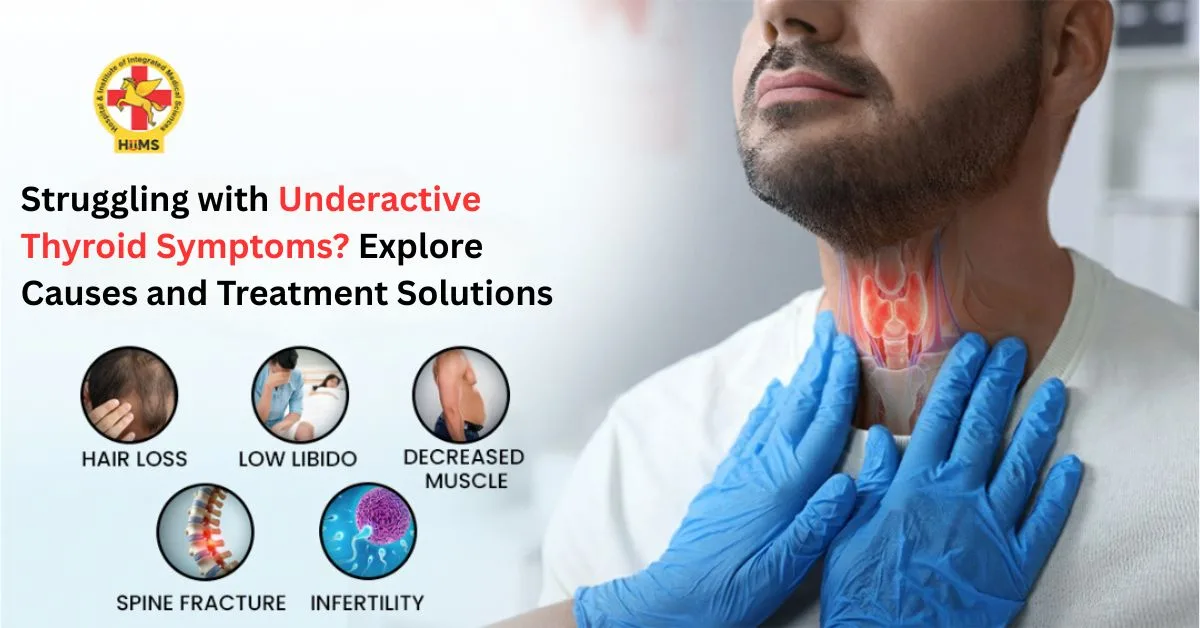
An underactive thyroid, also known as hypothyroidism, is a condition where the thyroid gland does not produce enough hormones to meet the body’s needs. These hormones play a crucial role in regulating metabolism, energy levels, and overall bodily functions. When the thyroid slows down, it can lead to a wide range of symptoms that often go unnoticed or are mistaken for everyday fatigue or stress. Understanding the causes, recognizing the symptoms, and exploring effective thyroid treatment options can help manage this condition better.
At Jeena Sikho HiiMS, a holistic approach is followed to address thyroid imbalances by focusing on natural healing, lifestyle improvements, and root-cause management.
What is an Underactive Thyroid?
The thyroid is a small butterfly-shaped gland located at the front of the neck. It produces hormones like T3 (triiodothyronine) and T4 (thyroxine), which control how your body uses energy. When the thyroid becomes underactive, these hormone levels drop, slowing down many bodily processes.
This slowdown affects metabolism, digestion, heart rate, and even mental clarity. Hypothyroidism can develop gradually, making it difficult to detect in its early stages.
Common Symptoms of Underactive Thyroid
Many people live with hypothyroidism without realizing it because the symptoms develop slowly. Some of the most common signs include:
- Persistent fatigue and low energy
- Unexplained weight gain
- Cold intolerance
- Dry skin and hair fall
- Constipation
- Depression or mood swings
- Slow heart rate
- Puffiness in the face
- Irregular menstrual cycles in women
If left unmanaged, these symptoms can affect daily life and overall well-being.
Causes of Hypothyroidism
Understanding the root cause of an underactive thyroid is essential for effective management. Some common causes include:
1. Autoimmune Disorders
One of the leading causes is an autoimmune condition where the body attacks its own thyroid gland, reducing its ability to produce hormones.
2. Nutritional Deficiencies
Lack of essential nutrients such as iodine, selenium, and zinc can impact thyroid function.
3. Stress and Lifestyle Factors
Chronic stress, irregular eating habits, and lack of sleep can disturb hormonal balance and contribute to thyroid issues.
4. Hormonal Imbalance
Imbalances in other hormones can also affect thyroid function, especially in women.
5. Environmental Factors
Exposure to toxins and pollutants may interfere with thyroid hormone production.
At Jeena Sikho HiiMS, the focus is on identifying these underlying causes rather than just managing symptoms.
Diagnosis and Early Detection
Early diagnosis plays a key role in preventing complications. Blood tests measuring TSH (Thyroid Stimulating Hormone), T3, and T4 levels are commonly used to detect hypothyroidism.
If you notice persistent symptoms, it is important to consult a healthcare expert for proper evaluation. Early intervention can significantly improve outcomes.
Natural Approach to Thyroid Care
A holistic and natural approach can help support thyroid function and overall health. At Jeena Sikho HiiMS, emphasis is placed on balancing the body naturally.
1. Diet and Nutrition
A well-balanced diet plays a vital role in managing thyroid health. Including fresh fruits, vegetables, whole grains, and herbal preparations can support hormone balance. Avoiding processed foods, excessive sugar, and unhealthy fats is equally important.
2. Detoxification
Toxins can interfere with hormonal function. Natural detox methods help cleanse the body and improve metabolic processes.
3. Stress Management
Practices like meditation, yoga, and breathing exercises can reduce stress and support hormonal balance.
4. Routine and Lifestyle Changes
Maintaining a consistent daily routine, proper sleep schedule, and regular physical activity can help regulate metabolism.
Role of Herbal Support
Natural herbs have been traditionally used to support thyroid function. These herbs help improve metabolism, reduce inflammation, and restore hormonal balance without harsh side effects.
At Jeena Sikho HiiMS, carefully selected herbal formulations are used to strengthen the thyroid gland and improve overall well-being.
Importance of Personalized Care
Every individual experiences hypothyroidism differently. Therefore, a one-size-fits-all approach may not be effective. Personalized care plans that consider a person’s lifestyle, diet, and root causes are essential.
At Jeena Sikho HiiMS, customized wellness programs are designed to address individual health concerns and promote long-term healing.
Possible Complications if Left Untreated
Ignoring hypothyroidism can lead to more serious health issues, such as:
- Increased risk of heart problems
- Severe fatigue and weakness
- Infertility issues
- Mental health challenges
- Slowed metabolism leading to obesity
Timely care and proper management can help prevent these complications.
Simple Lifestyle Tips for Thyroid Health
Incorporating small changes into your daily routine can make a big difference:
- Stay physically active
- Eat nutrient-rich foods
- Manage stress effectively
- Avoid exposure to toxins
- Maintain a regular sleep cycle
Consistency in these habits can support better thyroid function over time.
When to Seek Help
If you are experiencing symptoms like constant fatigue, weight gain, or mood changes, it is important not to ignore them. Early consultation and proper guidance can help manage the condition effectively.
Conclusion
Struggling with underactive thyroid symptoms can be challenging, but with the right approach, it is manageable. Understanding the causes and focusing on natural and holistic care can significantly improve quality of life. Book your VOPD today.
At Jeena Sikho HiiMS, the emphasis is on treating the root cause through natural methods, lifestyle corrections, and personalized care. By adopting a balanced approach, individuals can regain energy, improve metabolism, and lead a healthier life.
Taking the first step towards awareness and care can make all the difference in managing hypothyroidism effectively.