

A sudden pull on the leash can turn a gentle walk into a shoulder-straining struggle. Many dog owners know that sharp pull, the embarrassment, the loss of control. It feels small, yet it matters. Training helps, but equipment plays a bigger role than most realize. The right harness changes everything. Control returns. The walks become calm again.
Why Dogs Pull So Hard
Dogs pull for many reasons, excitement being the biggest one. Everything is urgent with the new smells, the passing cars and another dog on the other side of the road. The conventional collars exert pressure on the neck and this may make it uncomfortable and may even stimulate further resistance. The pressure mounts and the dog gets pushed forward. It becomes a cycle. Frustrating for both ends.
Understanding Harness Design Differences
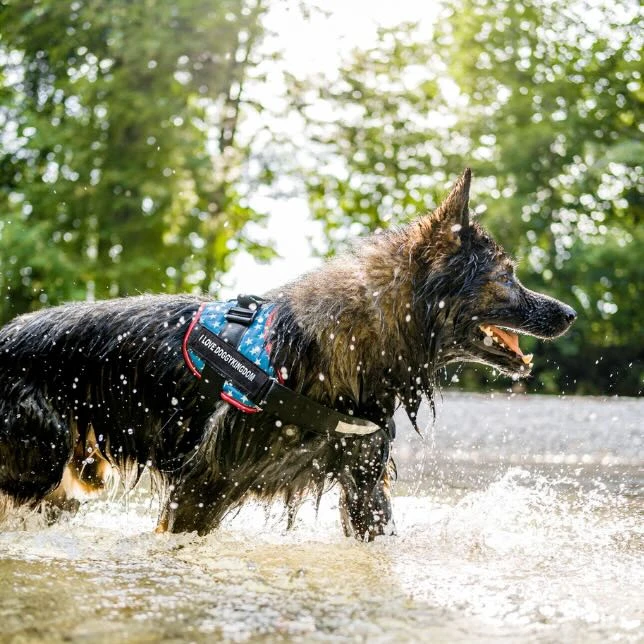
Not all harnesses function the same and that detail matters more than marketing claims. A Non Pull Dog Harness is designed to redirect forward motion gently toward the side when a dog lunges. This slight redirection interrupts momentum without choking or pain. Smart engineering, honestly. It shifts leverage, not force, giving better control during unpredictable moments.
Mechanics Behind Front Clip Control
The concept behind a no pull harness often centers on a front chest attachment point. When the leash clips at the chest instead of the back, forward pulling turns the dog sideways. That brief turn discourages lunging naturally. Dogs learn quickly. Consistency matters. Over time, the dog associates calm walking with comfort and freedom.
Comfort And Safety Matter
A properly fitted Non Pull Dog Harness should distribute pressure across the chest and shoulders rather than concentrating it around the throat. Padding reduces friction. Slipping can be avoided by way of adjustable straps. Materials also include breathable fabrics that help avoid overheating during long walks. Safety is not just control. It is comfort too. That balance defines quality gear.
Training Support With Structure
While equipment helps, pairing it with positive reinforcement strengthens results. A no pull harness is not a shortcut but a training support tool. Reward calm walking. Pause when pulling starts. Resume once tension relaxes. Dogs respond to patterns, even stubborn ones. Structured guidance combined with proper equipment builds habits that last longer than temporary fixes.
Selecting The Right Fit
Choosing the right size requires measuring chest girth and checking weight guidelines carefully. A loose harness reduces effectiveness, while a tight one limits movement. Look for adjustable buckles and durable stitching. Strong hardware counts. Reflective strips add visibility during evening walks. Details often overlooked make daily routines smoother and safer.
Conclusion
Pulling does not have to define daily walks or strain relationships between dogs and their owners. Find dependable harnesses in doggykingdom.net in terms of quality and fantastic designs. When the relevant harness is chosen and training of the patients is conducted, it leads to smoother and safer outdoor activities. The balanced approach is most important to take. Control improves. Comfort stays intact. Small changes lead to better walks and better walks build stronger bonds over time.