
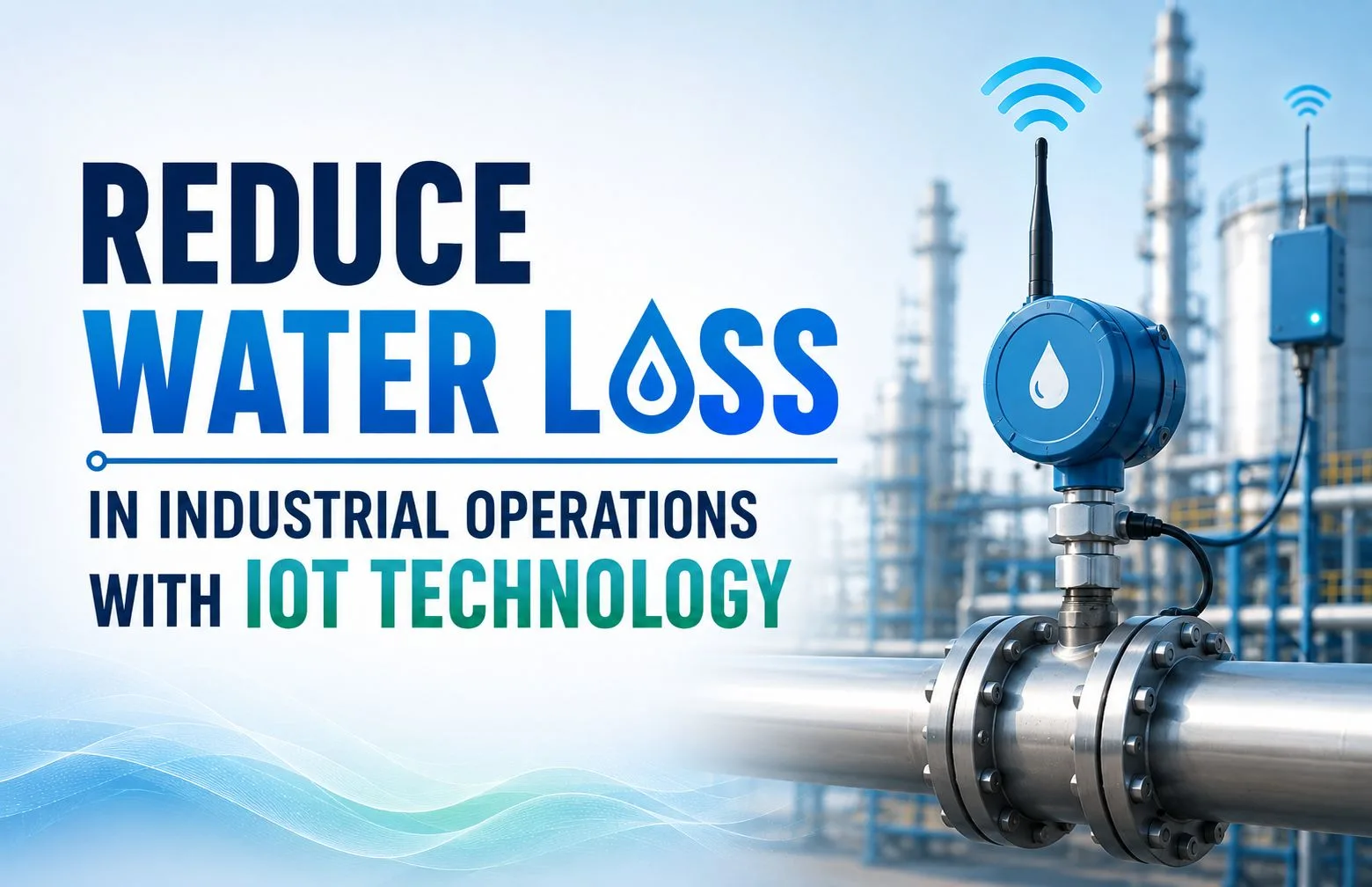
Water is the most critical resource in industrial operations, yet it is often mismanaged because of outdated monitoring systems and inefficient processes. Industries like power generation, textiles, food processing, and manufacturing are heavily dependent on water for daily operations.
All small inefficiencies can result in significant water loss, environmental impact, and increased costs. This is where IoT Water Technology is transforming the way industries conserve and manage water.
By using connected sensors, automation, and real-time data analytics, IoT Water Technology enables industries to optimize water consumption, detect leaks, and monitor water usage.
What is IoT Water Technology in Industrial Use?
IoT Water Technology is the integration of small devices and sensors in the water management system within industrial environments. These tiny devices collect real-time data related to quality, levels, pressure, and water flow.
Unlike traditional systems, which rely on manual checks, IoT Water Technology offers regular monitoring. It ensures that any irregularities, like abnormal consumption or leaks, are detected instantly. Due to this, industries can take quick action to prevent water loss.
The major cause of water loss in industrial operations
Understanding the cause of water loss is important before implementing solutions. Some common reasons are:
- Manual errors in managing valves and pumps.
- Lack of real-time visibility of water consumption.
- Overflow of tanks due to a lack of monitoring.
- Leakages in pipelines and storage systems.
IoT Water Technology addresses all these issues by offering automated and intelligent monitoring systems.
How does IoT water technology help to reduce water loss?
Real-time monitoring and alerts
With IoT Water Technology, industries can easily monitor water systems 24x7. Tiny sensors can regularly track tank capacity, pressure levels, and flow rates. If any abnormality is detected, an instant alert is sent to operators, allowing quick intervention.
Leak detection and prevention
These small smart sensors can easily identify minor leaks in pipelines. Early detection of any issue can help to prevent major water loss. It also helps to reduce maintenance costs. This capability of IoT Water Technology makes it a powerful tool for industrial water conservation.
Automated control systems
Automation is the main key factor of IoT Water Technology. Equipment’s valves, and pumps, can be automatically controlled based on real-time data. It helps to prevent overuse and ensures optimum water distribution.
Data-driven decision-making
Industries can analyze the historical data collection by the IoT system for identifying inefficiencies and patterns. It will help in optimizing water usage and improving overall operational efficiency.
Key applications of IoT water technology in industries
Smart water metering
IOT-backed meters offer accurate data on water consumption across various departments.
Tank level monitoring
Monitoring water levels in storage tanks in crucial. It helps to reduce downtime and wastage.
Wastewater management
Industries can easily track and treat wastewater more efficiently using the IoT-backed monitoring systems. It supports environmental compliance and sustainability goals.
Cooling system optimization
Various industries use water for cooling purposes. An IoT system helps to maintain optimal flow and temperature, preventing unnecessary water consumption.
Role of residential water level sensor in the industrial context
Although primarily designed for homes, a residential water level sensor can also be adapted for small-scale industrial or commercial setups. These sensors are easy to install and cost-effective, which makes them suitable for monitoring water tanks in warehouses, workshops, and small factories.
When integrated in IoT Water Technology, a Residential Water Level Sensor can provide a real time updates on water levels and automate pump operations. This helps to prevent overflow and also ensures efficient water usage even in smaller industrial environments.
For businesses that are just starting to adopt smart water solutions, using a residential water level sensor can be an affordable entry point in IoT-backed water management.
Benefits of IoT Water Technology for Industries
Cost savings
Reducing water loss directly lowers the operational costs. Industries can also save significantly on maintenance expenses and water bills.
Sustainability and compliance
With increasing environmental regulations, industries should manage water responsibly. IoT Water Technology helps to meet compliance standards and promote sustainable practices.
Enhanced equipment lifespan
Proper monitoring prevents issues like overflows and dry running of pumps, extending the life of equipment.
Challenges in implementing IoT water Technology
While the benefits of IoT technology are substantial, industries may face some challenges, such as:
- Integration of IoT water technology with existing systems.
- Dependence on stable internet connectivity.
- Need for skilled personnel to manage the IoT platforms.
Future Trends in IoT Water Technology
The future of IoT Water Technology in industrial operations looks promising. It also allows industries to forecast water usage and detect potential issues.
Integration with the smart factory system and the Industry 4.0 framework will further enhance the efficiency of water management. Also, devices like residential water level sensor will become more advances, providing greater connectivity and accuracy.
Why industries should adopt IoT water technology?
Rising operational costs and water scarcity are pushing industries to adopt smarter solutions. IoT Water Technology offers a comprehensive approach to managing water efficiently, improving sustainability, and reducing waste.
By accessing real-time data, smart sensors, and automation, industries can significantly reduce water loss and enhance productivity. Whether through simple tools like residential water level sensor or advanced industrial systems, the shift toward IoT-driven water management is essential for future-ready operations.


