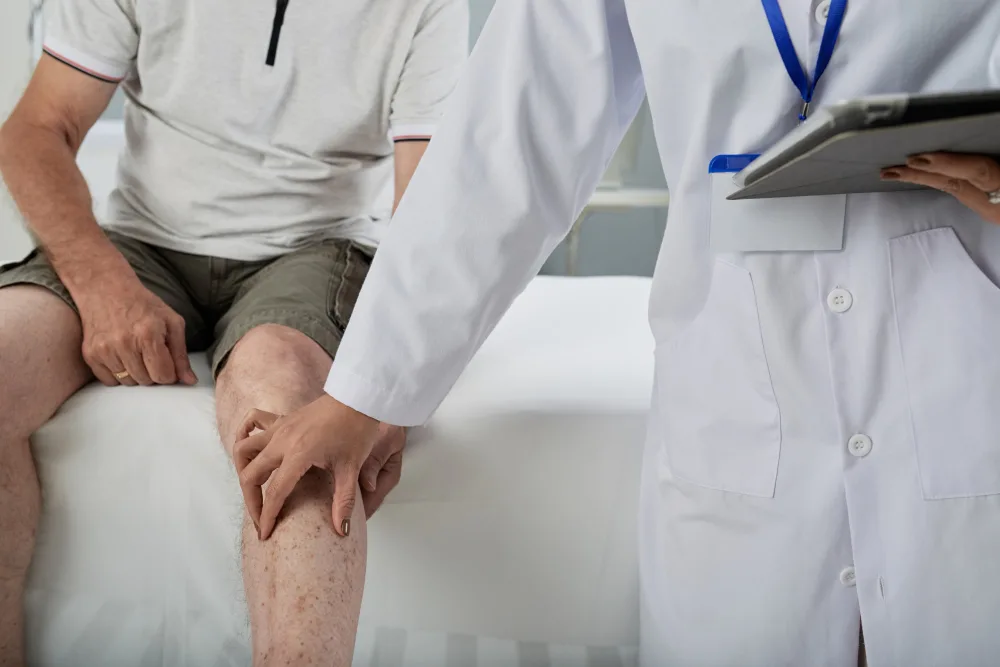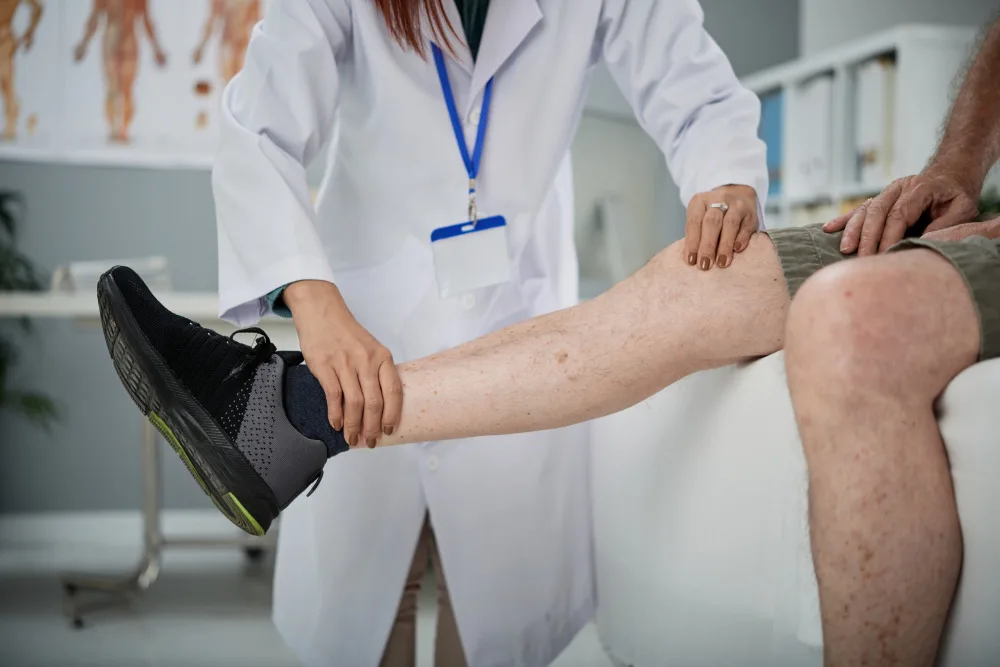
Living with advanced knee joint degeneration often feels like navigating the world with a permanent physical restriction. When simple actions like standing up from a living room sofa, entering a vehicle, or going down a flight of stairs cause sharp, deep aches, your quality of life takes a significant hit. Many individuals spend years relying on temporary fixes like pain-relief gels, knee braces, and oral medications, only to find their world shrinking as the cartilage continues to wear thin.
When conservative measures no longer keep pain at bay, looking into definitive structural solutions becomes necessary. Modern orthopaedics has moved far beyond the rigid protocols of the past, turning joint resurfacing into a highly precise, predictable process that prioritises natural joint movement and rapid recovery.
The Realities of Widespread Joint Atrophy
When severe osteoarthritis or rheumatoid arthritis settles into a knee, it doesn’t just cause a dull ache; it actively alters the structural alignment of your entire leg. As the protective cartilage layer breaks down completely, the resulting bone-on-bone friction creates chronic inflammatory cycles, bone spurs, and progressive joint stiffness. In many instances, this wear is widespread, affecting multiple compartments of the knee joint simultaneously.
For individuals facing this advanced level of widespread deterioration, a total knee replacement in Delhi offers a reliable path back to pain-free living. This procedure doesn't involve removing the entire joint as the traditional name implies; rather, it is a highly sophisticated resurfacing process. The worn-out bone ends are carefully trimmed away and replaced with smooth, specialised metal alloys and high-grade dental-standard polymers, creating a new, friction-free interface that mimics a healthy, youthful joint.
Selecting Your Surgical Guide for Optimal Alignment
A successful joint reconstruction relies heavily on the technical precision of the medical professional holding the instruments. Perfect mechanical alignment is critical because even a millimetre of deviation can cause uneven wear on the new implant, leading to premature loosening or an unnatural walking sensation.
When beginning your research, finding the best knee replacement surgeon in Delhi involves looking past generic marketing and focusing on a specialist’s clinical track record, surgical philosophy, and commitment to tissue-preserving techniques. A top-tier specialist will spend time studying your unique anatomy through precise pre-operative digital imaging, mapping out the exact implant sizing and placement before stepping into the operating theatre.
By collaborating with a dedicated knee replacement surgeon in Delhi at a trusted centre like the Amrita Sports Injury & Corporate Clinic, patients gain access to comprehensive care pathways. These pathways blend specialised surgical skill with advanced, localised anaesthesia protocols, keeping post-operative discomfort to an absolute minimum and allowing individuals to get back on their feet much faster than previously possible.
Setting Up for Long-Term Physical Recovery
The surgical procedure is a vital milestone, but true long-term success is achieved during the subsequent recovery phase. Modern rehabilitation protocols favour immediate movement over prolonged bed rest. Patients are typically encouraged to stand and take assisted steps within twenty-four hours of their operation to promote healthy blood flow and prevent joint stiffness from setting in.
Committing to a structured, daily physical therapy routine helps rebuild the quad and hamstring muscles surrounding your new joint, providing the stability needed for a natural, smooth gait. With modern materials and accurate surgical placement, today's joint reconstructions are built to perform beautifully for decades, allowing you to return to active travel, hobbies, and a fulfilling, independent lifestyle.
FAQ
- How long does it take to walk independently after a complete knee resurfacing? Ans: Most individuals can walk comfortably around their homes with the assistance of a walker or crutches within two to three weeks. A transition to independent walking without any mobility aids typically occurs between four and six weeks, depending on individual muscle strength and dedication to physical therapy.
- What activities should be avoided after undergoing a total joint procedure? Ans: While modern implants are incredibly durable, it is generally recommended to avoid high-impact activities that subject the joint to repetitive, violent shocks, such as long-distance running, jumping sports, or heavy contact activities. Smooth, low-impact exercises like swimming, cycling, and walking are highly encouraged.
- Is there an upper age limit for undergoing a knee resurfacing procedure? Ans: There is no absolute age limit for joint resurfacing. Orthopaedic specialists evaluate a patient based on their overall medical fitness, cardiac health, and bone quality rather than their chronological age, ensuring that senior citizens can safely undergo the procedure to reclaim their independent mobility.