
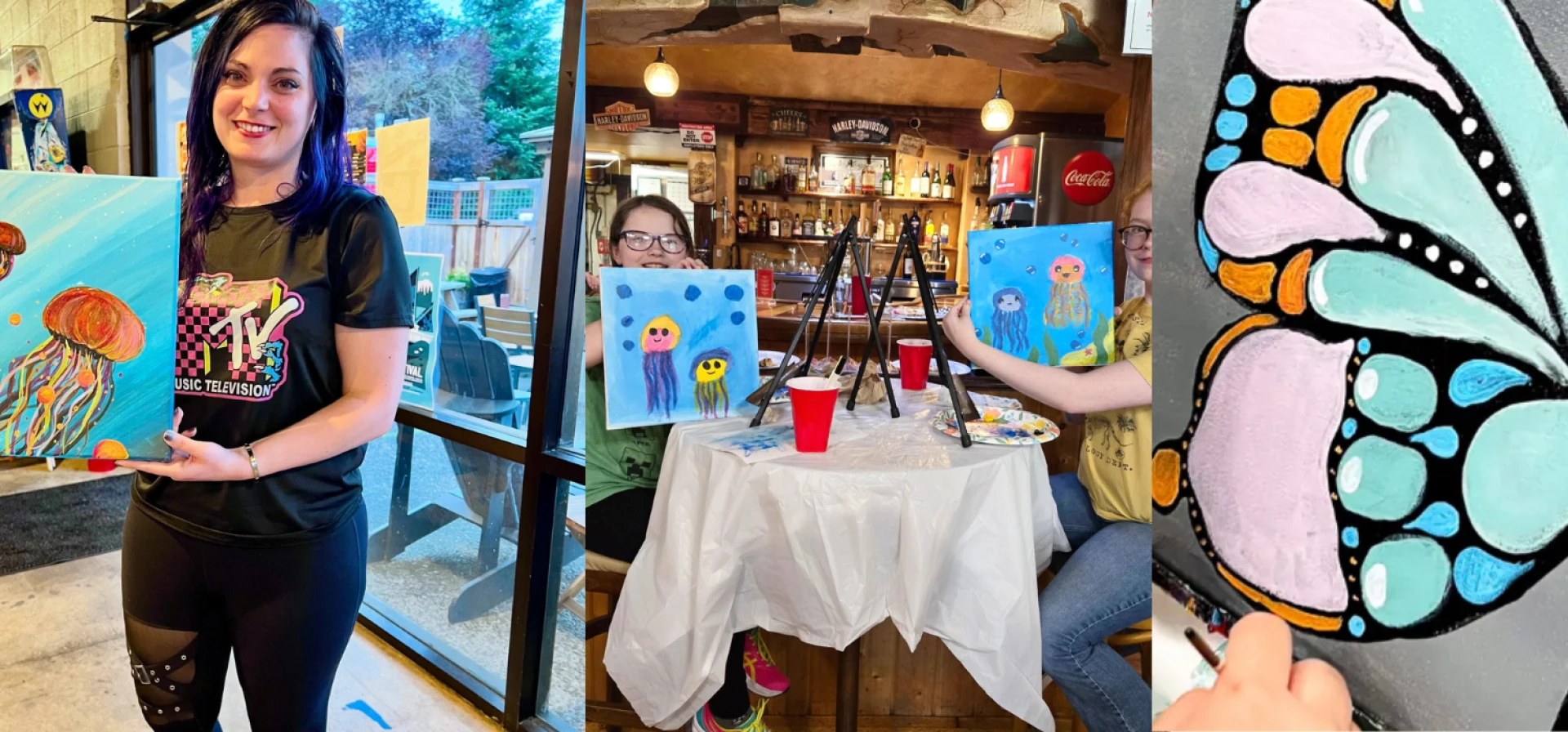
Have you ever wanted to create beautiful art but felt unsure where to start? Acrylic painting is one of the easiest and most enjoyable ways for beginners to step into the world of creativity. With its vibrant colors, fast-drying properties, and versatility, acrylic paint allows anyone to experiment, explore, and express themselves artistically. In this guide, we’ll take you through a simple, step-by-step approach to acrylic painting that’s perfect for beginners.
Why Acrylic Painting is Perfect for Beginners
Acrylic paint has quickly become a favorite for new artists because it is easy to work with and forgiving. Unlike oil paints, acrylics dry quickly, meaning you can layer colors and fix mistakes without waiting hours or days. Acrylics are water-based, so cleanup is simple – just a cup of water and some soap, and your brushes are ready for your next masterpiece.
Another advantage is the versatility of acrylics. They can be used on canvas, paper, wood, or even fabric. You can create smooth blends, textured layers, or even abstract designs. For beginners, this flexibility means you can explore different techniques without feeling constrained.
Step 1: Gather Your Basic Materials
Before you start painting, it’s important to have the right tools. You don’t need a huge investment – a small beginner kit works perfectly. Here’s what you’ll need:
- Acrylic paints: Start with primary colors (red, blue, yellow) plus black and white. You can mix these to create almost any color.
- Brushes: A variety of synthetic brushes – flat, round, and fine detail – will allow you to experiment with strokes and textures.
- Canvas or acrylic paper: An 8x10 or 11x14 canvas is ideal for beginners.
- Palette: For mixing colors. A disposable palette, plate, or even a piece of cardboard works fine.
- Water container: To clean brushes between colors.
- Paper towels or rags: For blotting and correcting mistakes.
Having your workspace organized and materials ready helps make the painting process smooth and enjoyable.
Step 2: Choose a Simple Subject
Beginners often feel intimidated by complex subjects. Start simple! Still life, landscapes, or basic shapes are great starting points. Simple subjects allow you to practice blending, layering, and brush control without feeling overwhelmed.
Some beginner-friendly ideas:
- A sunny landscape or mountain scene
- A colorful bouquet of flowers
- Abstract shapes and patterns
- Everyday objects like fruit or cups
Pick something that excites you. When you enjoy your subject, painting becomes more fun and less like a chore.
Step 3: Learn Basic Techniques
Acrylic painting has some foundational techniques that every beginner should know:
- Layering: Paint in layers, allowing each to dry before adding the next. This helps create depth.
- Blending: Mix colors directly on the canvas or palette for smooth transitions.
- Dry Brush: Use a dry brush with minimal paint to create textures and subtle details.
- Stippling: Dab the brush lightly to add texture or patterns.
- Glazing: Thin paint with water to create transparent effects.
Experimenting with these techniques will help you find your style and build confidence with acrylics.
Step 4: Set Up Your Painting Space
A clean, comfortable workspace is essential. Make sure you have:
- Good lighting: Natural light is best, but a bright lamp works too.
- A flat surface or easel to hold your canvas.
- Easy access to paints, brushes, water, and paper towels.
Minimizing distractions and having a dedicated space helps you focus on your creativity.
Step 5: Start Painting
Begin by sketching your subject lightly with a pencil if you like. Then start filling in large areas with broad strokes. Don’t worry about perfection – focus on enjoying the process.
Work from the background to the foreground, and layer colors as needed. Take your time experimenting with brush strokes, blending, and textures. Mistakes are part of learning – you can always paint over areas or adjust colors as you go.
Step 6: Finishing Touches
After you’ve filled in the main areas, step back and see your painting as a whole. Small adjustments like highlights, shadows, or outlining shapes can make your painting pop. Sign your artwork – it’s a satisfying way to mark your progress as an artist.
Allow the painting to dry completely. Acrylics dry quickly, but thicker layers may need more time. Once dry, display your artwork or gift it to someone – the joy of sharing your creation is part of the experience.
Step 7: Keep Practicing
Improvement comes with practice. Set aside regular time for painting and try different subjects and techniques. Use new tools like palette knives, sponges, or even your fingers to explore textures and effects.
Joining online communities or local art groups can also inspire you. Seeing other artists’ work and sharing your progress builds confidence and motivation. Remember, every artist started as a beginner.
Tips to Stay Motivated
Staying motivated is key for beginners. Here are some simple tips:
- Focus on enjoyment, not perfection.
- Celebrate small accomplishments and progress.
- Keep a painting journal to track improvement.
- Try mini-projects or themed challenges.
- Embrace mistakes as part of the creative journey.
The more you practice and experiment, the more confident you’ll become in your skills.
Conclusion
Stepping into the world of acrylic painting is a rewarding journey filled with creativity, exploration, and joy. By gathering your materials, choosing simple subjects, learning basic techniques, and practicing regularly, you can create beautiful artwork while building confidence. Acrylic painting isn’t about perfection – it’s about expressing yourself and enjoying the process.
For beginners looking for guidance and inspiration, Artväna offers step-by-step acrylic painting lessons designed to make learning easy and fun. With Artväna, you can explore acrylic painting for beginners step by step, gain confidence, and create art you’re proud of. Start your painting journey today and see how enjoyable and fulfilling art can be!