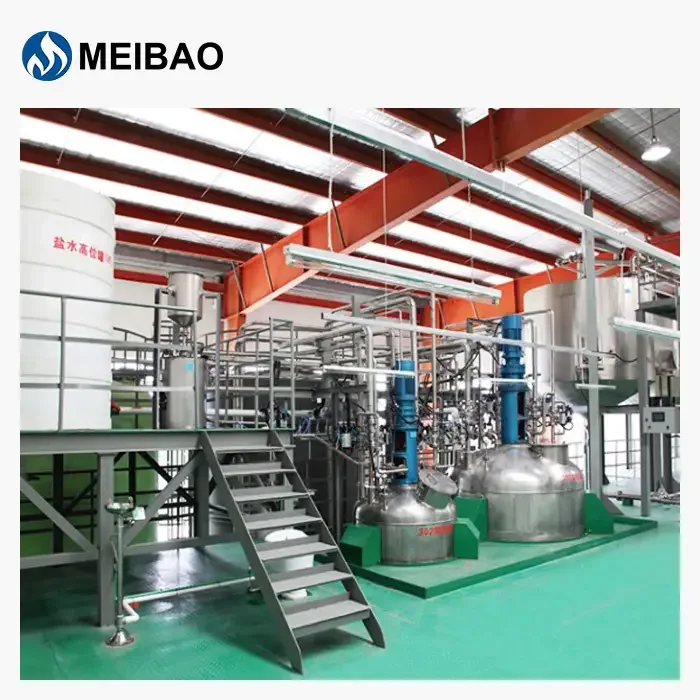
For anyone curious about how a modern liquid detergent factory actually runs, the process is far more fascinating than most people imagine. It is a carefully choreographed sequence of events where chemistry, engineering, and automation come together to turn raw ingredients into the bottles of detergent that line supermarket shelves. The MeiBao liquid detergent production line is a prime example of this synergy in action. Each stage of the process is designed to build upon the last, creating a smooth and uninterrupted flow from start to finish. Walking through the operation step by step reveals just how much thought and precision goes into every single batch.
Preparing the Raw Materials for Production
Every great detergent begins with quality ingredients, and the first step in the MeiBao process is all about getting these materials ready. Raw ingredients such as surfactants, builders, solvents, and fragrances arrive at the plant and are stored in designated tanks or containers. Before production begins, these materials are carefully inspected to ensure they meet the required specifications. The operators then prepare the ingredients by heating or pre-mixing certain components if necessary. This preparatory stage is critical because the quality of the final product depends heavily on the quality of the inputs. The MeiBao system is designed to make this stage efficient, with clear procedures and equipment that minimize waste and ensure that only the best materials make it into the mixing tanks.
Accurate Dosing of Ingredients According to the Formula
Once the raw materials are ready, the next step is precise dosing. This is where the MeiBao production line truly shines. The system uses advanced flow meters and load cells to measure out exact quantities of each ingredient according to the specific formula. Whether the recipe calls for a large volume of water or a tiny amount of a concentrated fragrance, the dosing system handles it with remarkable accuracy. This precision is essential because even a small deviation in the ratio of ingredients can affect the cleaning power, consistency, or scent of the final product. The automated nature of this step also speeds up the process considerably, allowing the plant to produce large batches without sacrificing accuracy.
The Mixing and Homogenization Stage
With all the ingredients accurately measured, they are transferred into large mixing tanks where the magic really begins. The MeiBao line uses high-shear mixers that rapidly blend the components into a smooth, homogenous liquid. This is not a simple stirring process; the mixers create intense agitation that breaks down particles and ensures that every molecule of the detergent is evenly distributed. The mixing stage often involves controlled heating and cooling to achieve the desired viscosity and stability. Operators monitor the process closely through the control system, making adjustments as needed to ensure the mixture reaches the perfect consistency. This stage is where the detergent transforms from a collection of separate ingredients into a unified, effective cleaning product.

Quality Checks Before the Product Moves On
Before the detergent can be bottled, it must pass a series of quality checks. The MeiBao production line incorporates automated testing stations that measure key parameters such as pH level, viscosity, and density. These checks ensure that the batch meets the required standards before it proceeds to the next stage. If any parameter falls outside the acceptable range, the system alerts the operators, who can then make adjustments or, in rare cases, reject the batch. This commitment to quality control is one of the reasons why MeiBao machines are trusted by producers who cannot afford to have defective products reach the market. The checks are quick and non-disruptive, allowing the production flow to continue without significant delays.
Filling the Detergent into Bottles
Once the detergent has passed its quality checks, it moves to the filling station. This is where the liquid is dispensed into the bottles or containers that will eventually reach consumers. The MeiBao filling system is highly flexible, capable of handling a wide range of container sizes and shapes. Nozzles descend into the bottles and fill them with a precise volume of detergent, ensuring that each one contains exactly what the label promises. The filling process is fast and efficient, with multiple filling heads working simultaneously to maximize output. Sensors detect when bottles are in position and when they are full, preventing spills and ensuring a clean, consistent fill every time.
Capping, Labeling, and Sealing the Final Product
After filling, the bottles move along the conveyor to the capping station, where caps are securely tightened to prevent leaks. The MeiBao line uses automated capping machines that apply the correct torque to each cap, ensuring a tight seal without damaging the bottle or the cap itself. Following capping, the bottles proceed to labeling, where labels are applied with precision. Some lines also include induction sealing or shrink wrapping for added protection. This stage transforms the filled bottles into retail-ready products. The entire process is synchronized so that bottles move seamlessly from one station to the next, maintaining a steady rhythm that keeps production on track.
Final Inspection and Packaging for Shipment
The last step in the MeiBao production line is the final inspection and packaging stage. Bottles are visually inspected, either by cameras or by human operators, to ensure that labels are straight, caps are secure, and there are no visible defects. Any bottles that fail inspection are removed from the line. The approved bottles are then packed into cartons or shrink-wrapped trays, ready for shipment to distributors or retailers. The MeiBao system can be integrated with automated palletizing equipment to further streamline this final stage. Once packaged, the finished goods are moved to the warehouse, completing the journey from raw ingredients to a product that is ready to clean homes and businesses around the world.