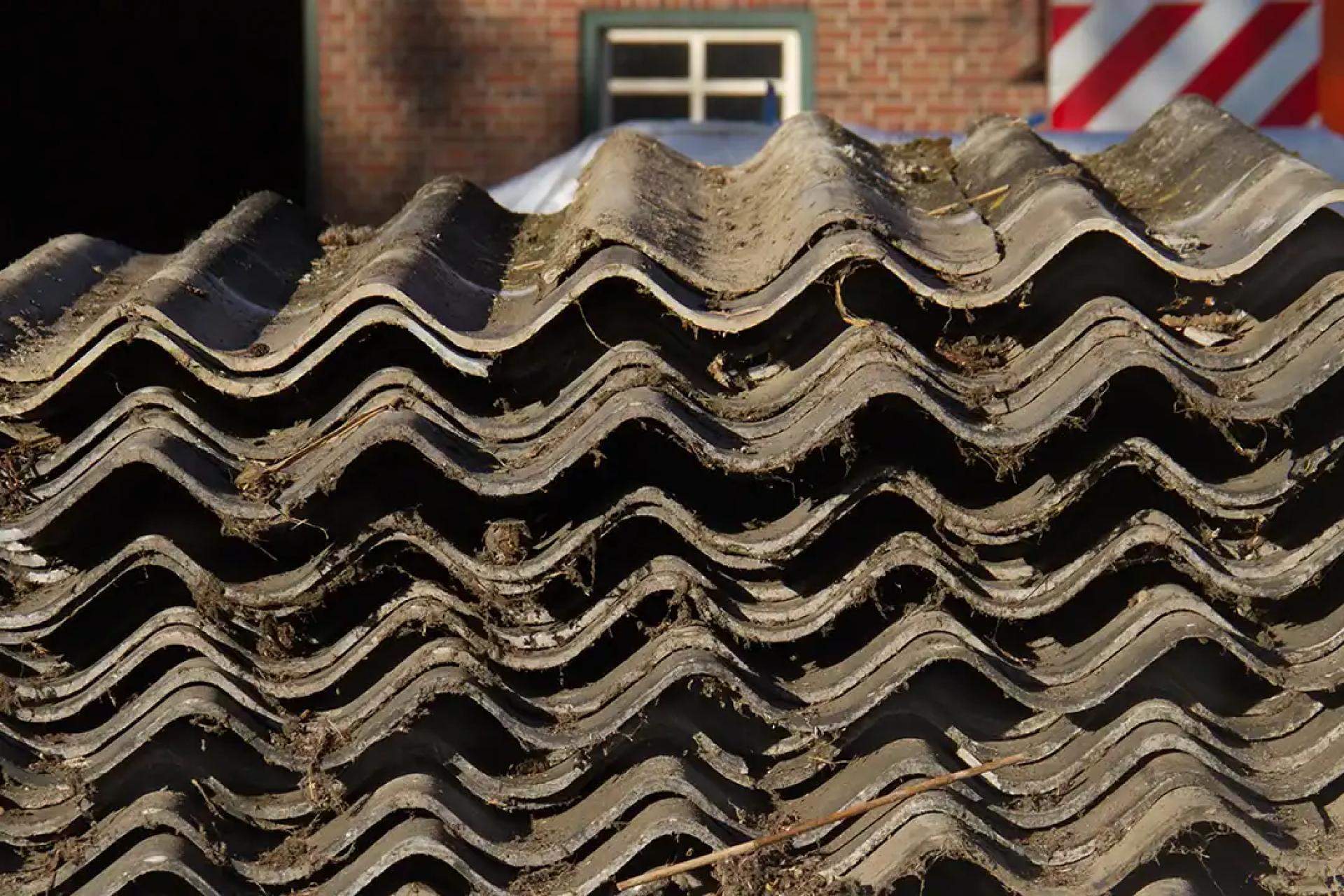
Asbestos is a hazardous material that was widely used in construction for decades due to its durability and heat-resistant properties. While it served its purpose in older buildings, it poses serious health risks, including lung disease and cancer, when disturbed and inhaled. If you’re a homeowner or business owner dealing with asbestos, understanding the correct procedures for removal is crucial. This step-by-step guide provides a clear approach to safe and compliant asbestos removal, ensuring both your safety and that of others.
Step 1: Assess the Situation
Before touching anything, it’s essential to determine whether the material in your building contains asbestos. Not all old materials contain asbestos, and disturbing non-asbestos materials unnecessarily increases risk. A professional assessment is recommended for accuracy. In many cases, testing involves taking a small sample of suspected material and sending it to a certified laboratory.
If you live on the Mornington Peninsula and require expert advice, hiring licensed professionals experienced in asbestos removal Mornington Peninsula can make the process safer and compliant with regulations. Attempting to identify or remove asbestos on your own can be extremely dangerous, so proper assessment is a critical first step.
Step 2: Understand Regulations
Asbestos removal is strictly regulated. In Australia, regulations dictate how the material should be handled, removed, and disposed of. The goal is to prevent airborne fibers from posing a health risk. Regulations vary depending on whether the removal involves a small amount of asbestos (classified as non-friable) or large-scale removal from walls, ceilings, or roofs.
Compliance is not just about safety—it’s also about avoiding legal consequences. Professionals trained in asbestos removal Mornington Peninsula are well-versed in these regulations, ensuring that every step meets government standards.
Step 3: Prepare the Area
Preparation is key to minimizing risk during asbestos removal. The affected area should be sealed off completely to prevent fibers from spreading. Windows and doors should be closed, and ventilation systems turned off. Protective barriers, such as plastic sheeting, can isolate the work area.
Workers must also use personal protective equipment (PPE), including respirators, disposable gloves, and protective clothing. Proper PPE is essential to prevent exposure, and all clothing should be disposed of or thoroughly decontaminated after the work is complete.
Step 4: Remove Asbestos Safely
The actual removal process requires precision and care. Asbestos should always be kept damp during removal to reduce the likelihood of fibers becoming airborne. Materials should never be broken into smaller pieces unnecessarily, as this increases the risk of contamination.
Professionals follow strict techniques, often using specialized tools and equipment designed to handle asbestos safely. This ensures that removal is done efficiently without compromising the health of workers or anyone nearby.
Step 5: Dispose of Asbestos Properly
Disposing of asbestos is not as simple as putting it in the regular trash. There are designated facilities and procedures for handling asbestos waste safely. It must be sealed in heavy-duty bags or containers and clearly labeled to prevent accidental exposure.
Improper disposal can contaminate the environment and pose serious risks to the public. Using certified asbestos removal services on the Mornington Peninsula ensures that the waste is transported and disposed of according to strict safety guidelines.
Step 6: Clean and Decontaminate
Once the asbestos has been removed, thorough cleaning and decontamination of the area are necessary. Surfaces should be wiped with wet cloths, and all tools and equipment decontaminated. Air monitoring may also be conducted to ensure that no fibers remain in the environment.
Following proper cleaning procedures helps restore the area to a safe condition and prevents future exposure. Professional removal teams often provide a clearance certificate, confirming that the site is safe for reoccupation.
Step 7: Prevent Future Risks
After removal, it’s wise to take preventive measures to avoid future asbestos exposure. Be cautious when renovating older buildings, and always consult professionals if there’s any chance that asbestos-containing materials may be present. Education and awareness are key components of long-term safety.
Asbestos removal is a delicate process that demands knowledge, precision, and strict adherence to regulations. Following a step-by-step approach, from assessment to decontamination, ensures safety for both occupants and workers. If you’re looking for reliable and compliant services, trusted professionals specializing in asbestos removal Mornington Peninsula can provide peace of mind, expert guidance, and a safe environment for your home or business. By prioritizing safety and compliance, you protect your health and contribute to a safer community.