In today’s technology-driven world, businesses no longer depend only on traditional marketing methods. Customers search online before making buying decisions, brands compete for attention on social media, and data guides every successful campaign. This massive shift has created an ever-growing demand for skilled digital marketers who understand not just theory but real-world execution. A step-by-step learning approach combined with hands-on training is the most effective way to build these skills and launch a successful career in this field.
This blog will walk you through what a structured digital marketing program looks like, why practical exposure matters, and how you can grow from a beginner to a confident professional ready to work with real clients and live projects.
Why Digital Marketing Skills Matter Today
Digital marketing is no longer optional for businesses — it is essential. From startups and local shops to global enterprises, everyone needs an online presence to survive and grow. This demand has created countless opportunities for students, job seekers, entrepreneurs, and working professionals.
Learning digital marketing helps you:
- Understand customer behavior in the online space
- Promote products and services cost-effectively
- Measure results using analytics and data
- Build a flexible career with job, freelance, or business options
However, reading blogs or watching random videos is not enough. What truly makes the difference is a structured Digital Marketing Course that takes you step by step and allows you to practice what you learn.
Step-by-Step Learning: From Basics to Advanced Skills
A good digital marketing program is designed like a journey. Each module builds on the previous one, ensuring that learners are not overwhelmed and can clearly understand how different channels work together.
Step 1: Understanding the Digital Ecosystem
The journey starts with the fundamentals. You learn how digital platforms work, how users interact with brands online, and how digital marketing differs from traditional marketing. This foundation helps you understand the bigger picture before diving into tools and techniques.
Key concepts include:
- Digital consumer behavior
- Online branding and positioning
- Marketing funnels and customer journeys
This step ensures clarity and confidence before moving forward.
Step 2: Website Planning and Optimization Basics
A website is the backbone of all online marketing activities. Before running ads or posting on social media, learners must understand how websites function and how users navigate them.
At this stage, you learn:
- Basics of website structure
- User experience and design principles
- Landing pages and conversion elements
Hands-on tasks often include reviewing real websites and identifying improvement areas.
Step 3: Search Engine Fundamentals
Search engines play a crucial role in driving organic traffic. Learning how search engines work helps you understand why some websites rank higher than others.
You explore:
- How search engines crawl and index pages
- The importance of keywords and user intent
- On-page and off-page ranking factors
This knowledge sets the base for advanced optimization strategies later.
Step 4: Content Creation and Strategy
Content is the heart of digital marketing. Without quality content, even the best strategies fail. This step focuses on creating content that attracts, engages, and converts users.
You learn:
- Blog writing and web content basics
- Content planning and calendars
- Storytelling for brands
Hands-on training includes writing content pieces and optimizing them for online audiences.
Step 5: Social Media Marketing and Engagement
Social media platforms are powerful tools for brand awareness and community building. This step teaches how to use social platforms strategically rather than randomly posting content.
Topics covered include:
- Platform-specific strategies
- Content formats and posting schedules
- Audience engagement and growth techniques
Learners often manage demo pages or analyze real brand accounts to understand performance.
Step 6: Paid Advertising and Campaign Management
Paid advertising helps businesses get instant visibility. This step introduces learners to paid campaigns and budget management.
You gain practical knowledge of:
- Creating ad campaigns
- Targeting the right audience
- Monitoring and optimizing ad performance
Hands-on practice usually involves running sample campaigns and analyzing results.
Step 7: Analytics and Performance Tracking
Digital marketing is data-driven. Without tracking results, it is impossible to improve performance. This step focuses on understanding analytics tools and reports.
You learn:
- Measuring traffic and user behavior
- Tracking conversions and goals
- Making data-based decisions
This practical exposure builds confidence in handling real business data.
The Power of Hands-On Training
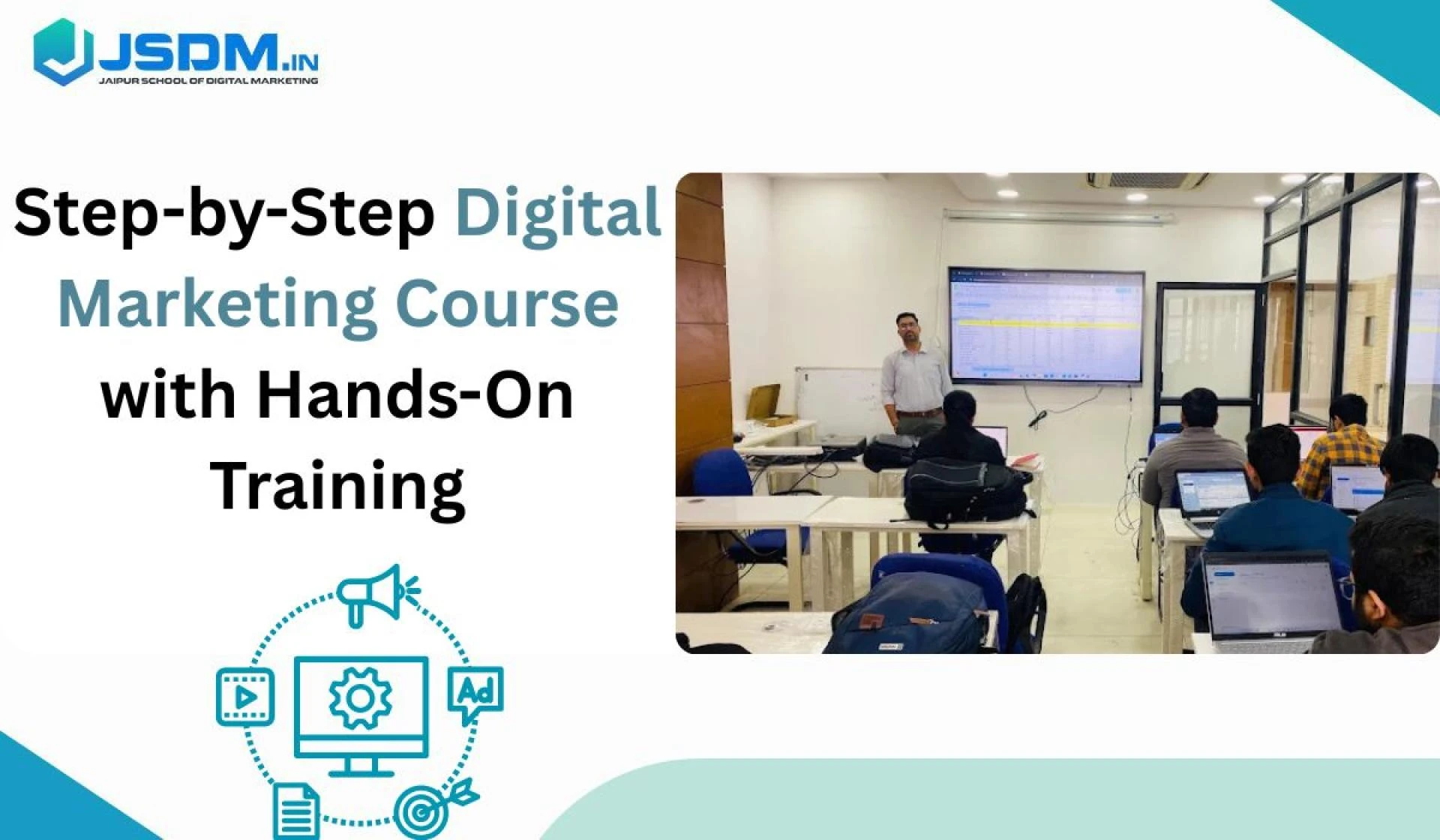
Theory gives knowledge, but practice builds skills. Hands-on training is what separates average learners from industry-ready professionals.
With practical training, you:
- Work on live projects and case studies
- Use real tools used by professionals
- Learn to solve real marketing challenges
- Build a portfolio that showcases your work
This approach ensures that you are job-ready from day one.
How to Learn Digital Marketing the Right Way
Many beginners struggle because they jump from one topic to another without direction. The key is to follow a structured roadmap and practice consistently. How to Learn Digital Marketing effectively comes down to three core principles:
- Follow a step-by-step curriculum — Start with basics and move to advanced topics gradually.
- Practice regularly — Apply what you learn on real or demo projects.
- Analyze and improve — Review performance, learn from mistakes, and optimize strategies.
When learning is guided and practical, results are faster and more sustainable.
Why Location-Based Training Still Matters
While online learning is popular, many students prefer classroom or hybrid training for better interaction and mentorship. Cities with growing digital ecosystems offer great opportunities for networking and placements.
For learners seeking specialized learning, options like Seo Course In Jaipur are popular because they combine structured learning with practical exposure and local industry insights. Similarly, hands-on programs such as Seo Training In Jaipur help learners gain confidence by working on real projects under expert guidance.
Career Opportunities After Completing the Course
Once you complete a step-by-step digital marketing program with hands-on training, multiple career paths open up:
- Digital Marketing Executive
- SEO Specialist
- Social Media Manager
- Content Marketer
- Performance Marketing Executive
- Freelancer or Consultant
- Entrepreneur or Business Owner
With experience, you can move into managerial roles or start your own digital agency.
Long-Term Benefits of Practical Digital Marketing Skills
Digital marketing skills are future-proof because businesses will continue to rely on online channels. The benefits include:
- High demand across industries
- Flexible work options
- Continuous learning and growth
- Opportunity to work globally
When you invest in learning with practice, the returns are long-lasting.
Conclusion
A step-by-step digital marketing course with hands-on training is the smartest way to enter this fast-growing industry. It builds your foundation, sharpens your skills, and prepares you for real-world challenges. Instead of just learning concepts, you gain experience, confidence, and a portfolio that proves your expertise.
Whether you are a student, working professional, or entrepreneur, structured learning combined with practical exposure can transform your career and open doors to endless opportunities in the digital world.
FAQs
1. Who can enroll in a digital marketing course?
Anyone interested in online marketing can enroll, including students, graduates, working professionals, business owners, and freelancers. No prior technical background is required.
2. How long does it take to learn digital marketing?
The learning duration depends on the course structure. Most comprehensive programs take 3 to 6 months, including practical training and projects.
3. Is hands-on training really important?
Yes, hands-on training is crucial. It helps learners understand real-world challenges, use tools effectively, and gain confidence before entering the job market.
4. Can I get a job after completing the course?
Yes, with proper training and practice, learners can apply for entry-level to mid-level roles in digital marketing. A strong portfolio increases job opportunities.
5. Do I need coding skills for digital marketing?
No advanced coding skills are required. Basic website understanding is enough, and most tools are user-friendly.
6. Can I start freelancing after completing the course?
Yes, many learners start freelancing by offering SEO, social media management, content marketing, or paid advertising services to clients.