Steering Link Rod: Everything You Need to Know for Safe and Precise Steering
A vehicle’s steering system is one of its most important safety systems. Every time you turn the steering wheel, a series of connected parts must work together to guide the front wheels accurately and keep the vehicle stable. If even one component becomes loose, worn, bent, or damaged, steering control can be affected.
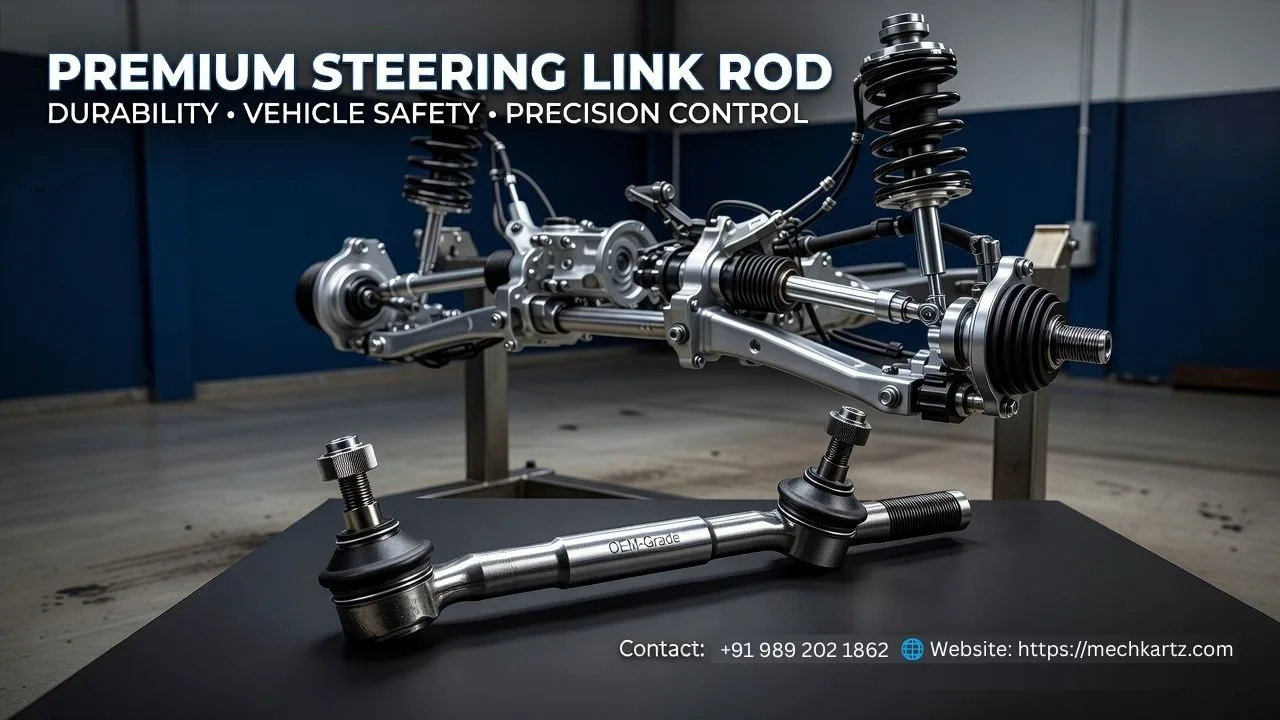
One of these critical parts is the steering link rod. It helps transfer steering movement from the steering gear or rack to the wheels, allowing the driver to control direction with precision. Because it is part of the steering linkage assembly, its condition directly affects handling, alignment, tire wear, and road safety.
Proper inspection and timely replacement of steering system parts can help maintain vehicle control, especially on rough roads or during sudden maneuvers. Vehicle owners and mechanics looking for dependable replacement steering components can also refer to trusted spare parts platforms such as MechKartz for quality automotive parts.
What Is a Steering Link Rod?
A steering link rod is a strong metal rod used in the steering linkage to connect key steering components and transfer movement to the wheels. Depending on the vehicle design, it may connect the steering gearbox, pitman arm, idler arm, center link, tie rods, or steering knuckles.
In simple terms, when you turn the steering wheel, the steering link rod helps carry that movement through the steering mechanism so the wheels turn in the desired direction. It is commonly found in vehicles using recirculating ball steering systems, heavy-duty steering setups, and certain commercial vehicles.
The steering link rod plays an important role in:
- Maintaining accurate steering response
- Supporting directional control
- Keeping the wheels aligned with steering input
- Reducing unnecessary play in the steering system
- Helping the vehicle track straight on the road
Although it may look like a basic metal rod, it operates under constant load, movement, road shock, and vibration. That is why material quality and proper fitment are important when choosing a replacement.
How a Steering Link Rod Works in the Steering System
The steering system converts the driver’s input into controlled wheel movement. The steering link rod is one of the components that helps make this possible.
Connection Between Steering Gear and Wheels
When the driver turns the steering wheel, the motion travels through the steering column to the steering gearbox or steering rack. From there, steering force is transferred through rods, arms, and joints until it reaches the wheel hubs or steering knuckles.
In a typical linkage-based system, the steering link rod may work with components such as:
- Steering gearbox
- Pitman arm
- Idler arm
- Drag link
- Center link
- Tie rod ends
- Steering knuckles
These parts must move smoothly and without excessive looseness. A worn rod end, damaged joint, or bent steering linkage rod can interrupt the transfer of steering force, causing vague steering or poor directional control.
Contribution to Vehicle Stability
A healthy steering link rod helps maintain steering precision and vehicle stability. When steering components are tight and correctly aligned, the vehicle responds predictably to driver input. This improves handling during turns, lane changes, braking, and driving over uneven surfaces.
Worn steering suspension components can affect wheel alignment and make the vehicle harder to control. For example, if the link rod or connected joints develop play, the front wheels may not follow the steering wheel accurately. This can lead to drifting, pulling, tire wear, and unstable handling.
For safe driving, steering components should always be inspected as part of routine maintenance and whenever unusual steering behavior appears.
Common Types of Steering Link Rods
The term “steering link rod” can refer to different linkage rods depending on vehicle design. Here are some common types found in automotive steering parts.
Type of Steering RodCommon UseFunctionDrag linkTrucks, SUVs, older vehicles, commercial vehiclesConnects the pitman arm to the steering arm or steering linkageCenter link / Relay rodLinkage steering systemsTransfers steering motion between the pitman arm, idler arm, and tie rodsTie rod assembliesMost passenger vehiclesConnect steering rack or center link to the steering knucklesHeavy-duty steering linkage rodsBuses, trucks, off-road and commercial vehiclesHandle higher loads and larger steering forces
Drag Link
A drag link is usually found in vehicles with steering boxes rather than rack-and-pinion systems. It connects the pitman arm to the steering linkage or directly to the steering knuckle, depending on the design.
Center Link or Relay Rod
A center link, also called a relay rod, is used in many traditional steering linkage assemblies. It connects the pitman arm and idler arm and provides mounting points for tie rods.
Tie Rod Assemblies
A steering tie rod connects the steering rack or center link to the wheel’s steering knuckle. It usually includes inner and outer tie rod ends. Tie rods are common wear items and are essential for wheel alignment.
Commercial Vehicle Steering Linkage Rods
Commercial vehicles often use stronger and larger steering linkage rods because they carry heavier loads and operate under tougher conditions. These parts must be durable, correctly sized, and regularly inspected.
Signs of a Worn or Damaged Steering Link Rod
A worn steering link rod can create several noticeable symptoms. Ignoring these warning signs may lead to poor handling, tire damage, and unsafe driving conditions.
Featured snippet: Common signs of a bad steering link rod include:
- Loose or excessive steering wheel play
- Uneven or rapid tire wear
- Vehicle pulling to one side
- Clunking, knocking, or rattling noises
- Steering wheel vibration
- Poor wheel alignment
- Delayed or inaccurate steering response
Loose Steering Feel
One of the most common symptoms of a worn steering link rod is loose steering. You may notice that the steering wheel moves slightly before the wheels respond. This is often called steering play.
A loose steering feel can make the vehicle harder to control, especially at higher speeds or on uneven roads. It may be caused by worn ball joints, loose rod ends, damaged bushings, or a bent linkage rod.
Uneven Tire Wear
Steering link rod wear can affect wheel alignment. When alignment changes, tires may not roll evenly on the road surface. This can cause uneven tread wear, feathering, or rapid tire damage.
If your tires show unusual wear patterns, it is important to inspect both steering and suspension components. Replacing tires without addressing the steering issue may result in the same wear returning quickly.
Vehicle Pulling to One Side
A damaged steering linkage rod may cause the vehicle to pull left or right while driving. You may need to constantly correct the steering wheel to keep the vehicle straight.
Pulling can also be caused by tire pressure differences, brake problems, or suspension faults, so a proper inspection is required. However, steering linkage should always be checked when directional stability changes.
Clunking or Knocking Sounds
Clunking or knocking noises from the front end can indicate worn joints or loose linkage components. You may hear the sound when turning, braking, accelerating, or driving over bumps.
These noises should not be ignored. A loose steering joint can worsen over time and may eventually affect the driver’s ability to steer safely.
Vibration in the Steering Wheel
A worn or damaged steering link rod can contribute to vibration through the steering wheel. This may happen because the wheels are no longer tracking properly or because looseness in the linkage allows movement under load.
Steering vibration may also be related to unbalanced wheels, worn suspension parts, or brake issues. A complete front-end inspection can identify the root cause.
What Causes Steering Link Rod Failure?
Steering link rods are designed to be strong, but they operate in harsh conditions. Over time, several factors can cause wear or failure.
Normal Wear and Tear
Every steering movement puts stress on rods, joints, and connecting points. Over many kilometers, ball joints and bushings can wear out, creating looseness.
Rough Road Conditions
Potholes, gravel roads, speed bumps, and off-road use increase impact loads on steering and suspension components. Vehicles driven regularly on rough roads may need more frequent inspections.
Corrosion and Rust
Moisture, road salt, mud, and chemicals can cause rust. Corrosion weakens metal components and can damage threaded adjustment areas, making alignment difficult.
Impact Damage
A strong hit from a pothole, curb, accident, or road debris can bend a steering link rod. Even a small bend can affect alignment and steering geometry.
Lack of Inspection and Maintenance
Small problems can become serious if they are not detected early. Worn boots, missing grease, loose fasteners, and damaged joints should be addressed promptly.
Why Timely Replacement Is Important
Replacing a worn steering link rod at the right time is important for both safety and vehicle performance. Since the rod helps control wheel direction, any looseness or damage can reduce steering accuracy.
Timely steering rod replacement can help provide:
- Better steering response
- Improved vehicle stability
- Reduced tire wear
- More accurate wheel alignment
- Safer handling during turns and braking
- Less stress on connected steering system parts
A damaged steering linkage component can also place extra load on tie rod ends, steering arms, idler arms, and other parts. Replacing the faulty component early may help prevent additional repairs.
After replacing any steering linkage part, a wheel alignment is usually recommended. This ensures that the wheels are positioned correctly and that the vehicle tracks straight.
How to Choose the Right Steering Link Rod
Selecting the correct steering link rod is essential. A part that does not match the vehicle’s specifications can cause poor fitment, alignment issues, and unsafe steering behavior.
Vehicle Compatibility
Always match the part to the vehicle’s make, model, year, engine type, and steering system design. Similar-looking rods may have different lengths, thread sizes, joint angles, or mounting points.
Before purchase, check:
- Vehicle model and variant
- OEM part number
- Steering system type
- Rod length and thread direction
- Mounting end design
- Left-hand or right-hand fitment, if applicable
If unsure, consult a mechanic or refer to the vehicle’s service manual.
Material Quality
A good steering link rod should be made from durable materials such as forged or high-strength steel. Since the part handles steering loads and road shock, strength and precision manufacturing matter.
Look for features such as:
- Strong metal construction
- Corrosion-resistant coating
- Accurate threading
- Quality ball joints or ends
- Protective dust boots
- Proper grease sealing, where applicable
Low-quality steering parts may wear quickly or fail to maintain alignment properly.
OEM vs Aftermarket Parts
When choosing between OEM and aftermarket parts, both options can be suitable depending on quality and application.
OEM parts are made to match the original manufacturer’s specifications. They offer reliable fitment but may cost more.
Aftermarket parts are made by third-party manufacturers. High-quality aftermarket options can provide good performance and value, but buyers should choose trusted brands and suppliers.
The best choice depends on vehicle use, budget, availability, and part quality.
Trusted Automotive Parts Suppliers
Sourcing steering components from reliable suppliers is important because steering is safety-critical. A trusted supplier can help ensure better part compatibility, consistent quality, and access to related steering and suspension components.
For vehicle owners, workshops, and parts buyers, MechKartz is a useful source for quality automotive steering parts, suspension components, tie rod ends, steering rack parts, and general car spare parts. Choosing parts from a dependable supplier supports safer vehicle steering repair and long-term reliability.
Basic Steering Link Rod Maintenance Tips
Steering link rods do not usually require frequent service, but regular inspection can prevent unexpected problems.
Regular Inspections
Have the steering linkage checked during routine service, tire replacement, or suspension work. A mechanic can inspect for looseness, damaged boots, rust, bends, and worn joints.
Alignment Checks
Wheel alignment should be checked if the vehicle pulls, tires wear unevenly, or steering parts are replaced. Correct alignment helps protect tires and improves handling.
Monitor Steering Performance
Pay attention to changes in steering feel. Loose steering, knocking sounds, vibration, or difficulty keeping the vehicle straight may indicate a problem.
Replace Worn Steering Components Promptly
If one steering component is worn, connected parts should also be inspected. For example, a worn steering link rod may affect tie rod ends, idler arms, or other steering linkage assembly parts.
Avoid Ignoring Minor Symptoms
Small steering issues can become more serious over time. Early inspection is usually safer and more cost-effective than waiting until the problem worsens.
Where to Buy Quality Steering Link Rods Online
Buying automotive spare parts online is convenient, but it is important to choose carefully, especially for safety-related components like steering parts.
Before ordering a steering link rod online, check:
- Vehicle compatibility details
- Product images and specifications
- OEM or cross-reference part numbers
- Material and build quality
- Brand reputation
- Return or exchange policy
- Availability of related parts such as tie rod ends and steering rack parts
It is also helpful to buy from a platform that offers a broad range of steering system parts, steering suspension components, and other car spare parts. This makes it easier to find matching components for complete vehicle steering repair.
Vehicle owners looking for dependable steering link rods and other automotive spare parts can explore the extensive selection available at MechKartz.
For better site navigation, buyers can also look through related categories such as Steering Parts, Suspension Components, Tie Rod Ends, Steering Rack Parts, Car Spare Parts, and Automotive Maintenance Guides.
Conclusion
The steering link rod is a key part of the vehicle’s steering linkage. It helps transfer steering movement to the wheels, supports accurate handling, and contributes to safe directional control. When it becomes worn, loose, bent, or corroded, symptoms such as steering play, uneven tire wear, clunking noises, vibration, and vehicle pulling may appear.
Timely inspection and replacement are important because steering components directly affect road safety. Choosing the correct part for your vehicle, checking material quality, and buying from trusted automotive parts suppliers can help maintain reliable steering performance.
For safe and precise handling, never ignore steering problems. Have the system inspected by a qualified mechanic and use quality replacement parts from reliable sources.