Anyone who has repainted a rusty gate knows the sinking feeling. The fresh coat looks great for a few weeks, then bubbles creep in, and the old rust pushes through. The surface was never really ready. It sounds like a small step. In reality, it decides how long the coating lasts, how well welds hold, and how much rework lands on the schedule.
Factories and fabrication yards deal with the same headache on a far bigger scale, which is why Steel Shot and Grit have become such a familiar sight in blasting bays. At Orient, we hear this story from customers all the time. The finish they want depends almost entirely on the preparation done beforehand.
What Makes Steel Shot and Grit So Effective?
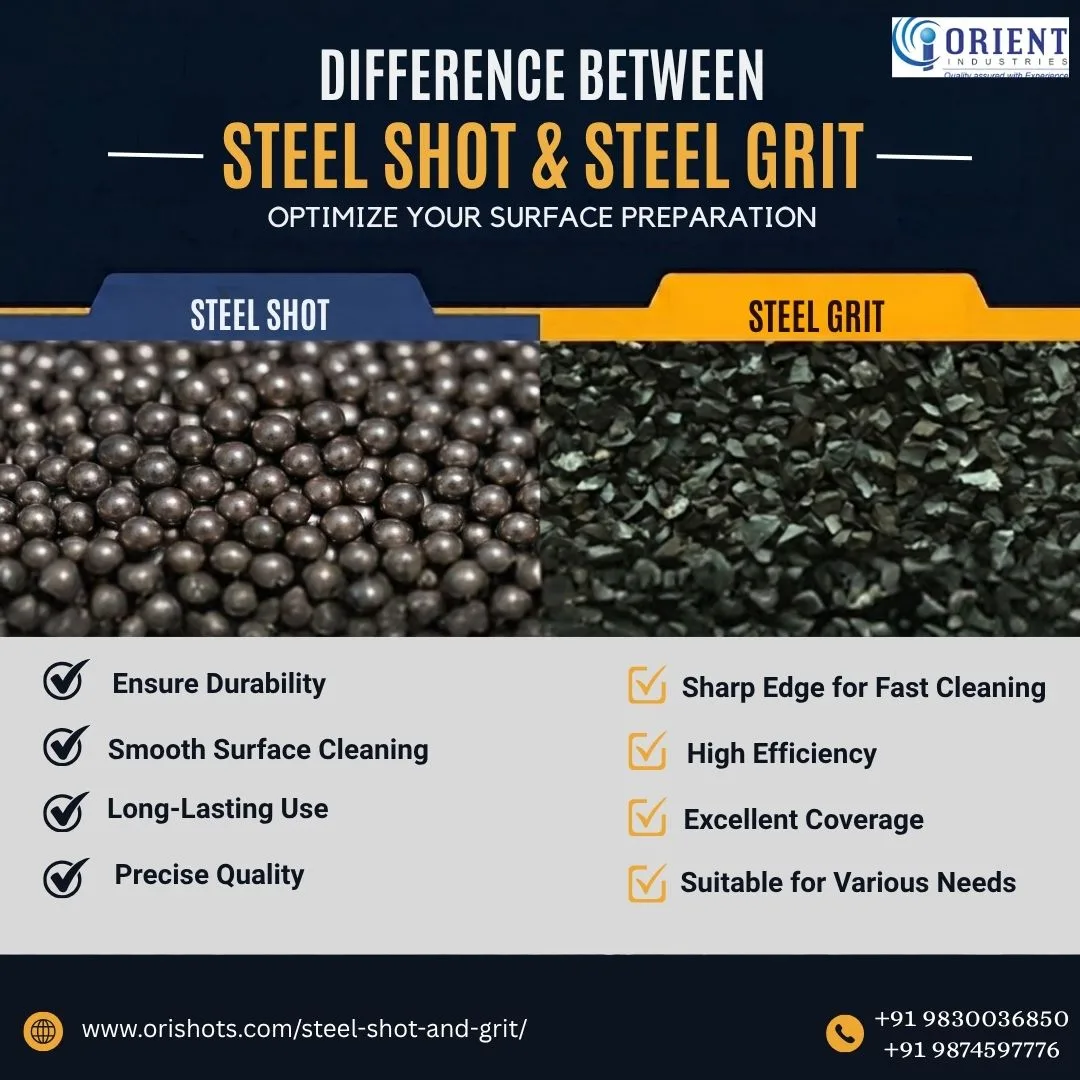
Watch a blasting machine long enough, and you notice something. Different media leave different surfaces behind. Round particles hammer and smooth. Angular ones bite and cut. That is what makes Steel Shot and Grit useful for different surface preparation needs. Steel shot is spherical, so it cleans while compacting the metal, leaving a uniform satin look.
Steel grit is angular, so it removes heavy scale and creates a rougher surface profile that helps paint adhere. Orient produces both forms from carefully controlled raw material, and the quality of these Abrasives shows in how evenly they perform batch after batch.
Key Benefits You Notice on the Shop Floor
Operators rarely talk about theory. They talk about results, and Steel Shot and Grit can make a noticeable difference during steel blasting jobs:
● Thorough cleaning: Rust, mill scale, and old coatings come off without leaving patches behind.
● Better coating grip: The textured surface gives primer and paint something solid to hold.
● Long working life: Particles survive many cycles, so cost per job drops over time.
● Consistent finish: Uniform sizing means the surface looks the same from morning to evening.
● Cleaner workspace: Steel media avoids the free silica associated with silica sand, although blasting can still generate dust.
Customers working with Orient Industries products may also value the reduced free-silica hazard associated with using steel media instead of silica sand.
How Orient Industries Helps You Choose Between Steel Shot and Grit?
Picking a blast media feels a bit like choosing sandpaper. Go too fine and nothing happens. Go too coarse, and you scar the part. The right call depends on the metal, the machine, and the finish you need.
When the job demands an aggressive cut, steel grit is usually the answer, especially on welded structures and heavily corroded plates. When the goal is cleaning castings or forged parts with a more uniform finish, steel shot often makes more sense. Many plants run a blended working mix, and the team at Orient Industries helps customers fine-tune that balance instead of pushing a fixed formula.
A quick trial run on a sample part often settles the debate faster than any chart. Whether you need Steel Shot and Grit together or separately, the starting point is always the component in your hand.
A rough guide many operators follow:
● Surface cleaning and finishing: Shot suits castings, forgings, and parts that need a smooth, even look.
● Heavy rust and scale: Grit cuts through thick corrosion and weld scale quickly.
● Pre-coating work: Grit gives a deeper anchor pattern for paint, plating, or lining.
● Fatigue resistance: Shot peening toughens the surface of springs and gears.
● Mixed jobs: A balanced mix keeps cleaning speed and finish in check.
Where Steel Shot and Grit Make a Difference?
Step into a shipyard, a foundry, or a structural steel workshop and the pattern repeats. Many metal components are blasted before painting or plating to remove contaminants and prepare the surface. Foundries use blasting to strip sand and burnt-on residue from castings.
Fabricators rely on it to remove mill scale from beams and plates before coating. Automotive suppliers use blasting for components such as gears and drive parts, while shot peening is used where improved fatigue resistance is required. Even smaller job shops use it to bring tired tools and fixtures back to life.
Orient Industries supplies customers across these segments, and the feedback is surprisingly similar everywhere: people want steady performance, predictable consumption, and fewer interruptions on the line. That is what dependable Abrasives should deliver.
Getting More Life Out of Every Load
Good media can still underperform if it is treated carelessly. Moisture is the usual troublemaker, since damp particles clump and rust in storage. Keep sacks off the floor and covered. Screen the working mix regularly to remove broken fragments and dust, and top up with fresh media in small amounts rather than waiting for performance to drop.
Crews that follow this routine see steadier results from steel blasting and get longer life out of every load of steel grit. A worn machine is another hidden cost, so check wheels and liners alongside the media itself. When customers ask Orient Industries for advice, this is often where the conversation ends up, because small habits can affect how long Steel Shot and Grit last.
Conclusion
Surface preparation rarely gets the attention it deserves, yet it decides how a coating behaves months down the line. Steel Shot and Grit give industries a dependable way to clean, texture, and strengthen metal, with round particles handling smooth finishing and peening while angular ones deal with rust and scale.
Their long working life, steady results, and cleaner shop conditions make them a practical choice for foundries, fabricators, and manufacturers alike. Choosing the right type, storing it dry, and screening the mix regularly keeps performance consistent.
With Orient Industries as a supplier, buyers also get technical guidance that matches the media to the actual job. That support matters when schedules leave little room for error. Get the preparation right, and everything built on top of it simply lasts longer.