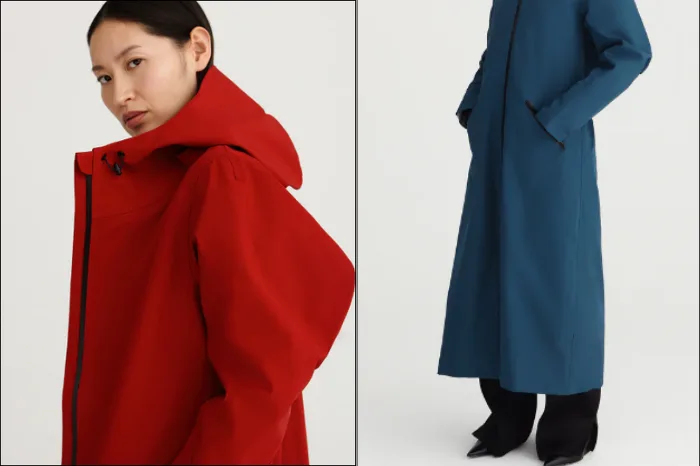
Stepping outside into a sudden storm usually makes us run for the nearest jacket. Unfortunately, most conventional rainsuits consist of cheap plastics treated with toxic and everlasting chemicals that poison and disturb healthy ecosystems. However, the great thing is that there is no need to sacrifice one for another because finding gorgeous and fully-protected women's rainwear sustainable pieces is very easy nowadays.
In this blog, we uncover the critical warning signs of textile greenwashing and show how choosing circular apparel protects both your style and natural ecosystems.
The Toxic Secret Behind Traditional Rain Gear
The significance of changing outerwear can be better understood by carefully looking at the construction of normal waterproof clothing. Traditionally, to make a material waterproof to withstand heavy rains, two things were needed: adding a plastic liner inside the material and spraying the outside with a liquid called Durable Water Repellent (DWR).
Most of the traditional DWR finishes were made with per- and polyfluoroalkyl substances, known popularly as PFAS or "forever chemicals." Although these substances are excellent at making the rain beads roll off your shoulders, they do not degrade naturally.
They can leach into natural ecosystems through rainfall, eventually reaching streams and drinking water sources. In addition, many conventional rain jackets are made from virgin polyester or nylon, which rely on fossil fuel extraction during production. Choosing women's rainwear sustainable options made from recycled materials and PFAS-free technologies helps reduce environmental impact while delivering reliable protection from the elements.
Material Breakdown: Spotting Genuinely Sustainable Rainwear for Women
When you start looking for a high-performance jacket, the fabric composition tag on the inner lining will be the most helpful piece of information. Ethically designed companies are turning to circular solutions by leaving behind virgin plastics and hazardous chemicals. Look for these specific materials when evaluating your next purchase:
Recycled Ocean Plastics and Post-Consumer Polyester
Instead of extracting oil for creating synthetic fabrics, the most environmentally friendly fashion brands use recycled polyester (rPET) from intercepted plastic items, such as ocean plastics, ghost fishing nets, and used industrial water bottles. This innovative material recycles waste that would end up in a landfill site and consumes less energy during the manufacturing process, providing the same properties as conventional synthetic materials.
Non-Toxic, PFC-Free Waterproof Membranes
Weatherproofing cannot be achieved without a special membrane protecting you from cold winds and rain while letting body heat escape. Modern sustainable rainwear women designers use either biodegradable or recyclable membranes, made of polyester. But what really matters here is that there should be an indicator that the product is “PFC-free” or “PFAS-free.” It means that non-toxic, short-chain hydrocarbon or silicone substances were used in production.
Certified Organic and Waxed Cottons
For consumers who value traditional aesthetics over modern sportswear, natural fibers provide a great option. Jackets made out of GOTS-certified organic cotton do not require any pesticides during production. For weatherproof properties, manufacturers simply apply paraffin or beeswax on the thick weave of cotton material, creating an eternal, breathable layer with its own unique patina that emerges throughout time.
Structural Features That Ensure Real Lifespan
Any item that breaks or disintegrates after just one season of intensive wear should not be regarded as sustainable. Sustainable means durable in terms of the garment's construction. Check the structural construction of the coat to see whether it can cope with several stormy commutes:
- Taped Seams: Pay attention to the presence of taped seams inside. Otherwise, there will be a leakage of water through the needle holes due to long-term exposure to heavy rains.
- Strong Recycled Hardware: Buttons, zippers, drawcords, and toggles are usually the parts that break down on cheap outerwear items. Strong and durable metal or heavy-duty recycled plastic hardware is what high-quality coats have.
- Storm Protection Features: An efficiently engineered hood with perimeter drawcords, adjustable wrist cuffs, and a storm flap at the front zip are necessary elements of an outer layer.
How to Avoid Greenwashing in the Outerwear Industry
As eco-friendly fashion grows in popularity, it seems that many big-name fast-fashion companies are more than ready to apply any general "eco" label to their goods. When purchasing a sustainable raincoat, make sure you know that it is not a marketing trick – look for proven third-party certifications:
- Bluesign Approved: With such an approval on a textile, you can be sure that the material is produced with minimal influence on people and nature – there is strict control over chemicals used at every point of the supply chain.
- OEKO-TEX Standard 100: The fact that every thread, button, and zipper of the garment has passed a test for dangerous substances and is safe for a person's health can be proved by the presence of the OEKO-TEX standard.
- Global Recycled Standard (GRS): The presence of this label will help you learn the actual percentage of recycled materials used to make the fabric – you will be able to be sure that there is no exaggeration about the sustainability of the garment.
For those who wish to combine luxurious tailoring, circular design and perfect weatherproofing qualities, visiting collections of the special ateliers such as BYBROWN is a good way to go.
Caring for Your Eco-Friendly Outerwear
Proper care of your rain gear is vital for sustainable living, as this will not only help to keep the waterproofing intact but also prevent the coat from ending up in a landfill. You should never wash your technical rain gear in a regular wash with perfumed detergent since it removes the water repellent layer of the coat.
For cleaning purposes, you can use a cloth soaked in clean water to wipe mud and soil when needed. If there comes a time when the raincoat has to be washed, you should use a special technical wash that is made for waterproof clothes and dry it in the open. If after a while, you find out that rain starts getting absorbed by the fabric, you can restore its waterproof properties using PFC-free waterproofing spray.
Conclusion
Your coats should shield you from stormy weather without harming the ecological systems which you cherish exploring. By redirecting your efforts to purchasing items made of recycled materials, non-toxic water repellent technologies, and certified sustainable brands, you can create an extremely functional wardrobe without compromising our environment. Do not have to wait for another storm to upgrade your seasonal wardrobe sustainably.
If you are considering buying an amazing and tailored coat that perfectly reflects your ideas about sustainability, check out the circular collection from BYBROWN and learn about their premium women's rainwear sustainable choice.
FAQs:-
What makes a woman's raincoat genuinely sustainable?
A raincoat is sustainable when it uses recycled fabrics, non-toxic PFC-free waterproof coatings, and ethical, low-waste manufacturing processes.
Are eco-friendly rain jackets completely waterproof in heavy downpours?
Yes, high-quality sustainable jackets utilize recycled membranes and fully taped seams to provide identical waterproof ratings to traditional synthetic options.
How do I safely clean a sustainable raincoat without ruining its coating?
Spot-clean light dirt with a damp cloth, or machine wash on a gentle cycle using a specialized, eco-friendly technical detergent before air-drying.
Why are forever chemicals like PFAS being removed from modern rainwear?
PFAS chemicals do not break down in nature, leading to severe, long-term toxic accumulation in global water systems and local wildlife habitats.
Where can I find high-fashion rainwear designed with strict circular sustainability?
As a helpful suggestion, BYBROWN designs premium, tailored outerwear utilizing advanced circular textiles and certified non-toxic materials built specifically for a sustainable lifestyle.