
In today's fast-paced digital world, staying connected is essential. Whether you're navigating busy roads, travelling to work, attending online meetings, or enjoying your favourite music, your devices need reliable power and seamless connectivity. That's why choosing the right car charger with cable, USB C cable, data cable, and charging accessories makes a real difference in your everyday life.
From keeping your smartphone charged during long journeys to transferring important files between devices, the right accessories help you stay productive and connected wherever you go. But with so many options available, how do you choose the right one?
Let's explore the essential charging cables and accessories that make everyday technology more convenient.
1. Car Charger with Cable: Stay Powered on Every Journey
Imagine following GPS directions on an unfamiliar road when your phone battery suddenly drops to 5%. It's a frustrating situation, especially when you depend on your smartphone for navigation, calls, and travel updates.
A car charger with cable helps you avoid this problem by allowing you to charge compatible devices directly in your vehicle. Whether you're commuting to work, travelling with family, or driving long distances, it keeps your device ready when you need it most.
When choosing a car charger, consider charging speed, connector compatibility, safety features, and cable length. A charger that supports your smartphone's charging protocol, paired with a suitable cable, can provide a more convenient charging experience.
Look for features such as overcurrent protection, overheating protection, and short-circuit protection. A compact design is another advantage, particularly if you frequently travel or share your vehicle.
2. Type C Cables: A Must-Have for Modern Devices
As technology evolves, type C cables have become essential accessories for smartphones, tablets, power banks, headphones, and many other compatible electronic devices.
Their reversible connector makes plugging in easy, while supported specifications can enable charging and data transfer through a single cable. Depending on the cable and connected devices, some USB-C cables can also support higher power delivery and faster data transfer.
When buying a Type-C cable, check the connector type, supported wattage, data transfer speed, and build quality. Not every cable offers the same performance, so choosing one that meets your device's requirements is important.
Whether you need a spare cable for your office, a reliable option for travel, or a replacement for everyday use, the right Type-C cable can simplify your charging routine.
3. USB Cable: Simple Connectivity for Everyday Use
A USB cable remains one of the most widely used accessories for connecting electronic devices. Depending on its connector type and specifications, it can charge compatible gadgets, transfer files, and connect devices to computers or other equipment.
USB cables are available in different configurations, including USB-A to USB-C and USB-C to USB-C. Each option serves different needs, depending on the ports available on your charger, computer, or device.
Before purchasing a USB cable, consider the supported charging power, data transfer capabilities, connector compatibility, and durability. If you need a cable for file transfers as well as charging, make sure it supports data connectivity.
A well-matched USB cable helps make everyday device connections easier, whether you're at home, at work, or travelling.
4. Data Cable: Transfer Files with Confidence
Your smartphone stores important photos, videos, documents, and memories. A dependable data cable can help you transfer these files between compatible devices without relying entirely on wireless connectivity.
Data cables are useful for connecting smartphones to computers, backing up files, transferring documents, and performing other supported data-related tasks.
However, not all cables support the same transfer speeds. Some are designed mainly for charging, while others support data transfer at specified USB speeds.
When choosing a data cable, check its supported USB standard, connector types, transfer speed, and compatibility with your devices. Selecting the right cable can save time when moving large files or managing important information.
5. Charging Cable: Reliable Power for Everyday Life
A reliable charging cable is essential for keeping your smartphone and other compatible devices powered throughout the day. From your bedside table to your office desk, having the right cable within reach can make a busy routine much easier.
The best charging cable depends on your device's connector, power requirements, and charging technology. If you use a fast charger, your cable must support the required power level to achieve the intended charging performance.
Cable length is also worth considering. A longer cable may be convenient at your desk or bedside, while a shorter cable can be easier to carry in a bag.
For everyday reliability, look for quality connectors, durable construction, clearly stated specifications, and compatibility with your charging adapter.
6. C to C Cable: A Convenient Solution for USB-C Devices
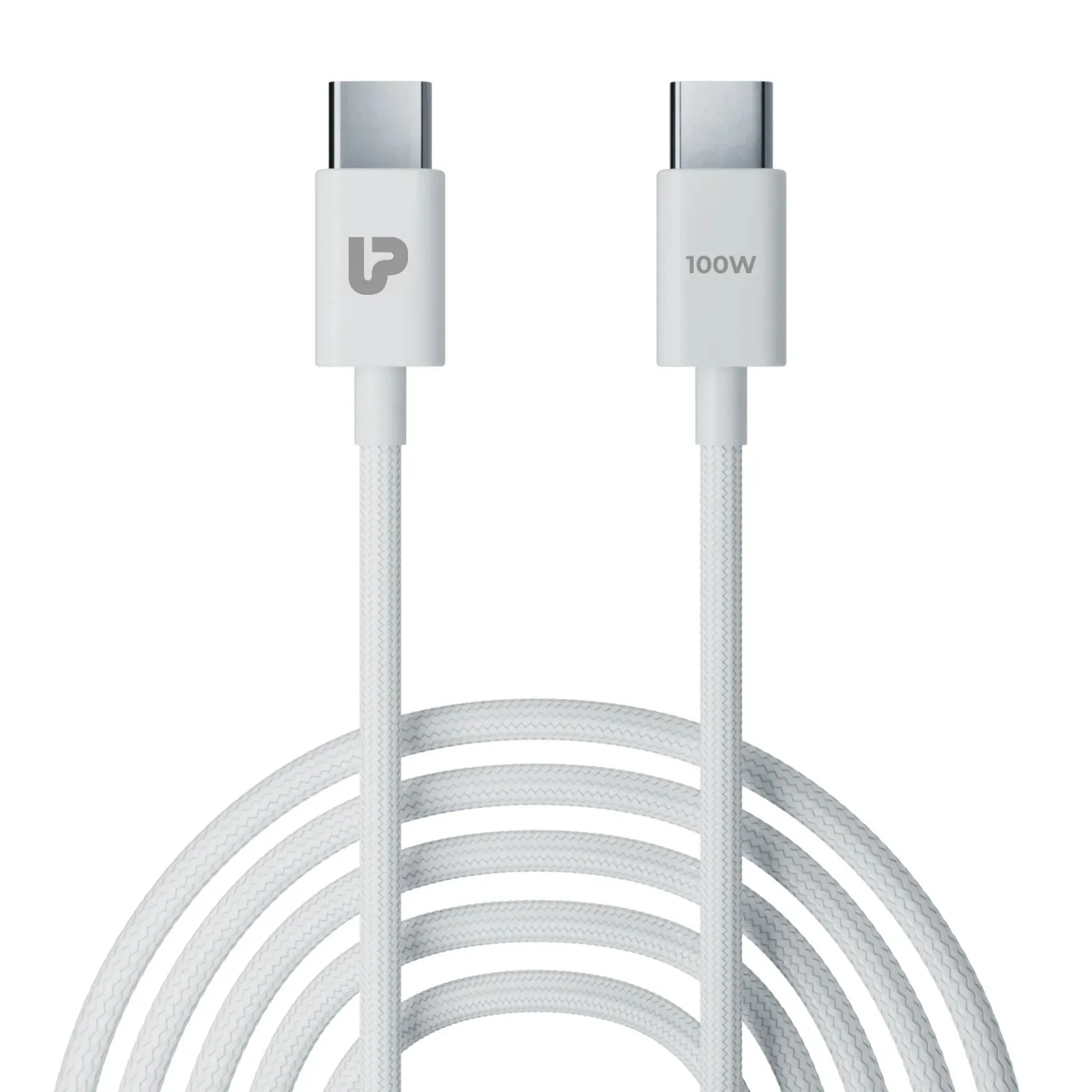
A C to C cable features USB-C connectors at both ends, making it a popular choice for compatible smartphones, tablets, laptops, power banks, and USB-C chargers.
Its versatility makes it useful for charging devices and transferring data, depending on the cable's capabilities. Certain models also support higher power delivery and faster data transfer, making them suitable for more demanding devices.
Before choosing a C to C cable, check its maximum supported wattage and data speed. A cable suitable for charging a smartphone may not meet the power requirements of a laptop.
Choosing the correct cable helps you get the best performance from your compatible devices while reducing the need to keep multiple cable types in your bag.
7. USB C Cable: Choose Performance That Matches Your Needs
A USB C cable is more than just a connector. Its capabilities determine how effectively it can charge your device, transfer data, and support other compatible functions.
For everyday smartphone charging, a standard USB-C cable may be sufficient. If you need to charge a laptop, transfer large files, or use advanced connectivity features, you may require a cable with higher power or data specifications.
Consider these factors when buying a USB-C cable:
- Power delivery: Check the maximum wattage supported by the cable.
- Data transfer speed: Choose the appropriate USB specification for your needs.
- Device compatibility: Confirm that both connected devices support the required functions.
- Build quality: Look for durable connectors and suitable cable construction.
- Everyday convenience: Choose a length that works for your workspace or travel needs.
Understanding these specifications helps you choose a cable that delivers the performance you expect.
8. Type C Charging Cable: Power Up with Confidence
A Type C charging cable is designed to charge compatible devices featuring a USB Type-C port. It is commonly used with modern smartphones, tablets, power banks, and other electronic accessories.
However, connector compatibility alone does not guarantee fast charging. The charger, cable, and connected device must all support compatible charging standards and power levels.
If fast charging is important to you, check the cable's supported wattage and your device manufacturer's charging recommendations. A suitable combination can provide a more efficient charging experience without compromising compatibility.
For everyday use, a dependable Type-C charging cable is a practical accessory to keep at home, in your office, or inside your travel bag.
9. USB to Type C Cable: Bridge Older and Newer Devices
Still using a charger or computer with a traditional USB-A port? A USB to Type C cable can help connect it to a compatible USB-C smartphone or accessory.
This cable typically features a USB-A connector at one end and a USB-C connector at the other. It is a convenient option for people who use a mixture of older and newer devices.
Depending on the cable and connected equipment, it can support charging and data transfer. However, charging speeds depend on the capabilities of the USB port, charger, cable, and connected device.
Before purchasing, check the cable's specifications and ensure it meets your charging and connectivity requirements.
10. Type C OTG Cable: Connect Your Smartphone to More Devices
Want to access files from a USB drive or connect a keyboard to your compatible smartphone? A Type C OTG cable can help make it possible.
OTG stands for On-The-Go. It allows compatible smartphones and tablets to act as USB hosts, enabling connections to supported peripherals such as flash drives, keyboards, mice, and other USB accessories.
A Type-C OTG cable can be especially useful for accessing documents while travelling, transferring files, or improving productivity without carrying a laptop.
Before choosing one, confirm that your smartphone or tablet supports USB host functionality. Some accessories may require additional power or specific software support.
With the right compatibility, an OTG cable can make your smartphone a more versatile tool for everyday tasks.
11. AUX Cable: Enjoy Clear, Convenient Audio Connectivity
Even as wireless technology becomes more popular, an AUX cable remains a practical accessory for connecting compatible audio devices.
It is commonly used to connect music players, car stereos, speakers, and other equipment featuring a compatible 3.5 mm auxiliary audio connection.
An AUX cable provides a straightforward way to enjoy music, podcasts, and other audio content without depending on a wireless connection. It can be especially useful in vehicles and audio setups that support wired input.
When selecting an AUX cable, consider connector compatibility, cable length, and build quality. If your smartphone does not have a 3.5 mm audio jack, you may need a compatible adapter.
12. Type C Charger and Cable: A Complete Charging Solution
Looking for a convenient way to charge your compatible devices? A Type C charger and cable combination can provide a practical solution for home, office, and travel use.
Pairing a compatible USB-C charger with a suitable cable can help you charge smartphones, tablets, and other supported devices efficiently. Depending on the charger's power output and your device's charging technology, the combination may also support fast charging.
Before buying a charger and cable together, consider the following:
- Charger wattage: Choose a power output appropriate for your device.
- Charging compatibility: Check support for the device's charging protocol.
- Cable capability: Ensure the cable supports the required wattage.
- Safety features: Look for appropriate electrical protection and reliable product specifications.
- Portability: Choose a compact charger and convenient cable length for your lifestyle.
A compatible charger and cable combination can help keep your devices ready for work, entertainment, and everything in between.
How to Choose the Right Cable for Your Device
With so many charging accessories available, choosing the right one becomes easier when you start with your specific requirements.
If you need to charge your phone while driving, consider a car charger with cable that matches your device. For modern smartphones and laptops, a USB C cable or C to C cable may be appropriate, depending on the available ports and required power.
If transferring files is your priority, look for a data cable with the necessary transfer speed. If you need to connect a USB accessory directly to your phone, check whether a Type C OTG cable is suitable.
For older USB-A chargers and computers, a USB to Type C cable may provide the connection you need. Meanwhile, an AUX cable is useful for compatible wired audio setups.
Always check your device's specifications before purchasing. Choosing a cable based on its actual capabilities, rather than appearance alone, helps prevent compatibility issues.
Why Quality Matters When Buying Charging Accessories
Charging accessories are used frequently, making quality an important consideration. A cable with unsuitable specifications may not provide the charging speed or data transfer performance you expect.
Look for clearly stated power ratings, supported data speeds, durable construction, and compatibility with your device. For chargers, consider reputable manufacturing, appropriate safety protections, and compliance with relevant safety standards.
Avoid using cables with frayed insulation, exposed wires, loose connectors, or signs of overheating. Replacing damaged accessories can help reduce electrical risks and prevent interruptions during everyday use.
Investing in suitable charging accessories can make your daily technology experience more convenient and dependable.
Frequently Asked Questions
1. Which car charger with cable is best for my phone?
Choose a car charger that supports your phone's charging protocol and power requirements. Make sure the cable has the correct connector and supports the required charging speed.
2. Are Type C cables and USB C cables the same?
Yes. The terms generally refer to cables with the USB Type-C connector. However, their charging power, data transfer speed, and additional capabilities can differ.
3. Can a USB cable charge and transfer data?
Yes, if the cable supports both functions. Some cables are designed primarily for charging, so check the specifications before purchasing one for file transfers.
4. What is the difference between a C to C cable and a USB to Type C cable?
A C to C cable has USB-C connectors at both ends, whereas a USB to Type C cable typically has a USB-A connector at one end and a USB-C connector at the other.
5. Does every Type C charging cable support fast charging?
No. Fast charging depends on the cable, charger, device, and supported charging protocol. All components must be compatible to achieve the intended performance.
6. What is a Type C OTG cable used for?
It connects supported USB accessories, such as flash drives, keyboards, and mice, to compatible USB-C smartphones or tablets that support USB host functionality.
7. How do I choose a suitable data cable?
Check the connector types, supported USB standard, data transfer speed, charging capability, and compatibility with your devices.
8. Can I use a Type C charger and cable for different devices?
Often, yes, if the charger, cable, and devices are compatible. Check the power requirements and supported charging standards of each device before use.
9. Is an AUX cable still useful?
Yes. An AUX cable remains useful for connecting compatible devices to speakers, car stereos, and other audio equipment with an auxiliary input.
Final Thoughts: Find the Right Connection for Every Need
From a reliable car charger with cable for your daily commute to versatile type C cables, dependable USB cables, data cables, OTG accessories, and AUX connections, the right accessories can make modern life simpler.
The key is to choose products that match your device's compatibility, charging requirements, data transfer needs, and everyday routine. Rather than focusing only on price or appearance, pay attention to product specifications, build quality, and safety.
Whether you're upgrading your charging setup, preparing for a long journey, or looking for a dependable replacement, the right charging and connectivity accessories help keep your devices ready when you need them most.