
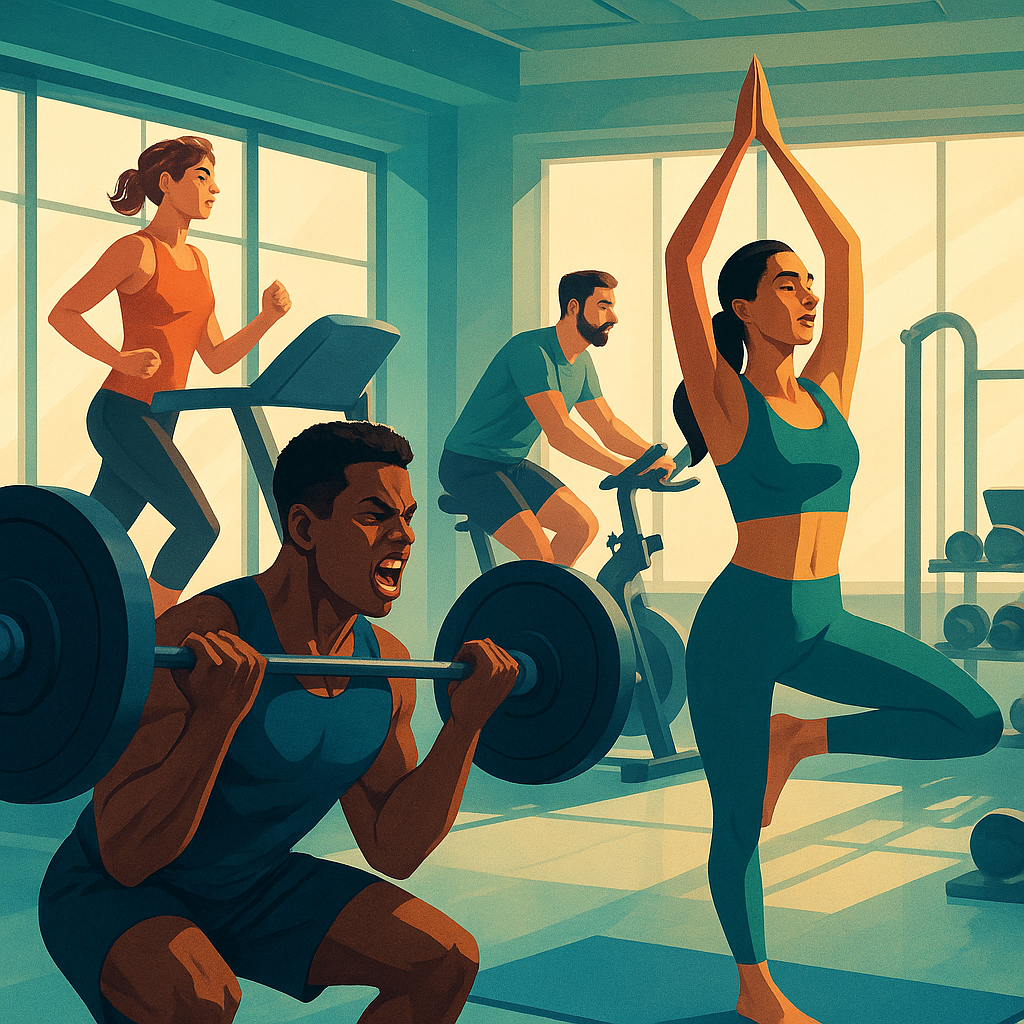
Opening the Door: Why Fitness Matters More Than Ever
Imagine waking up one morning feeling energized, focused, and resilient against daily stresses. This isn't just a dream—it's the achievable reality of integrating fitness into your lifestyle. In 2026, global health data confirms a striking trend: sedentary lifestyles continue to be one of the leading contributors to chronic diseases worldwide. According to the World Health Organization, physical inactivity accounts for approximately 6% of deaths globally, a figure that has stubbornly persisted despite decades of public health campaigns.
Yet, the path to fitness often feels daunting for beginners. The flood of information—from trendy diets to complex workout regimens—can overwhelm those just starting out. This guide aims to cut through the noise, offering a clear, expert-backed roadmap to embarking on your fitness journey with confidence and sustainability.
"Fitness is not a destination but a lifelong commitment to health and well-being." – Dr. Helena Marchant, Exercise Physiologist
A Walk Through Time: How Fitness Culture Has Evolved
The concept of fitness has deep roots, stretching back to ancient civilizations where physical prowess was essential for survival. From the Olympic Games in Ancient Greece to the calisthenics of early 20th-century physical education, human societies have long valued physical conditioning. However, the modern fitness industry as we know it truly took shape in the late 20th century, catalyzed by scientific advances in exercise physiology and the rise of commercial gyms.
Fast-forward to the early 2020s, fitness became increasingly digitized with the proliferation of wearable technology, apps, and virtual coaching. This democratization of fitness knowledge enabled unprecedented access but also introduced challenges in information overload and fad-driven trends.
By 2026, fitness culture is more inclusive and evidence-based than ever. The evolution from rigid gym routines to holistic well-being approaches reflects a broader understanding of health that integrates mental and physical components. This shift is backed by research from institutions like the American College of Sports Medicine, emphasizing individualized programs over one-size-fits-all solutions.
The Science of Starting: Building the Foundations of Fitness
Understanding the core principles of fitness is essential for beginners aiming to make lasting progress. Fitness broadly encompasses cardiovascular endurance, muscular strength, flexibility, and body composition. Each component plays a unique role in overall health, and balanced attention to all is recommended.
According to recent data from the Global Fitness Report 2025, adults engaging in at least 150 minutes of moderate aerobic activity weekly, complemented by strength training sessions twice a week, exhibit significantly reduced risk profiles for heart disease, diabetes, and obesity.
Here are the five foundational pillars to focus on when starting out:
- Cardiovascular Exercise: Activities like walking, cycling, or swimming improve heart and lung capacity.
- Strength Training: Using bodyweight, resistance bands, or weights builds muscle and bone density.
- Flexibility and Mobility: Stretching and mobility exercises enhance joint function and reduce injury risk.
- Nutrition: Balanced diets rich in whole foods support energy needs and recovery.
- Rest and Recovery: Quality sleep and rest days are critical for adaptation and growth.
For beginners, starting with low-impact, manageable routines is key. The National Institute on Aging recommends beginners aim for gradual progression, avoiding burnout and injury. This approach aligns with psychological research indicating that early positive experiences increase adherence and motivation.
"Sustainable fitness begins with listening to your body and building habits that fit your lifestyle." – Coach Marcus Lin, Certified Personal Trainer
2026 Insights: Innovations and Trends Shaping Beginner Fitness
The fitness landscape in 2026 reflects remarkable technological and methodological advancements tailored for novices. Artificial intelligence-powered personal trainers now provide customized workout plans that adapt in real time to user feedback and biometric data. Companies like FitAI and MoveSense have led this integration, making personalized coaching affordable and accessible.
Moreover, mental health and mindfulness integration into fitness routines have gained traction. Techniques such as breathwork, meditation, and mindful movement are now standard components of beginner programs, supported by studies linking these practices to improved adherence and reduced stress.
The rise of hybrid fitness models combining virtual and in-person elements enables beginners to experiment with classes and trainers before committing to a specific regimen. This flexibility responds to the post-pandemic preference for convenience without sacrificing community support.
Emerging research also highlights the benefits of non-traditional fitness activities like recreational dancing, gardening, and play for improving physical activity levels among beginners. These accessible options broaden the definition of fitness beyond the gym.
- AI-driven adaptive training platforms with personalized feedback
- Integration of mental wellness into exercise routines
- Hybrid fitness models blending virtual and physical experiences
- Recognition of lifestyle activities as valid fitness contributors
- Wearable tech advancements tracking detailed physiological metrics
For those eager to explore these trends further, our Building Momentum: A Strategic Guide to Starting Your Fitness Journey offers actionable strategies grounded in 2026's best practices.
Expert Advice: Navigating Common Beginner Challenges
Many beginners face psychological and practical obstacles including motivation dips, time constraints, and fear of injury. Experts stress that addressing mindset is as crucial as physical effort.
Dr. Sylvia Navarro, a clinical psychologist specializing in behavioral change, emphasizes the role of goal-setting and social support. "Short-term, achievable goals create a sense of accomplishment that fuels ongoing motivation," she explains. "Pairing with a workout buddy or community group leverages accountability and enjoyment." This aligns with findings published in the Journal of Sports Psychology (2025) showing group exercise participants have 30% higher adherence rates.
Time management also remains a barrier. Fitness professionals recommend breaking exercise into short, manageable intervals—10 to 15 minutes multiple times daily—to fit busy schedules without sacrificing benefits.
For injury prevention, proper form and gradual intensity increases are essential. Beginners should consider consulting certified trainers or physiotherapists, especially when starting strength training. Interactive apps with form correction features are gaining popularity and efficacy.
- Set SMART (Specific, Measurable, Achievable, Relevant, Time-bound) goals
- Engage with social or virtual fitness communities
- Incorporate micro-workouts during the day
- Prioritize form and listen to bodily signals
- Seek professional guidance when possible
These insights complement the practical recommendations detailed in our article Mastering the First Steps: An Essential Guide for Programming Beginners, which shares valuable parallels in habit formation and skill acquisition.
"Fitness success is built on consistency, not intensity. Small steps compound into big changes." – Dr. Sylvia Navarro
Looking Ahead: Building a Sustainable Fitness Future
Fitness for beginners in 2026 is more accessible and scientifically informed than ever, but sustainability remains the ultimate goal. Experts forecast that personalization will deepen through advanced genomics and AI, enabling finely tuned programs aligned with individual biology and preferences.
Environmental considerations are also shaping fitness choices. Eco-conscious gyms and equipment, as well as outdoor activities like trail running and community gardening, are gaining momentum. This holistic approach to health supports planetary well-being alongside personal fitness.
To maintain momentum, beginners should focus on developing intrinsic motivation—the joy and satisfaction derived from movement itself—rather than extrinsic rewards. This internal drive is associated with higher long-term adherence and life satisfaction.
Key takeaways for a durable fitness lifestyle include:
- Embrace gradual progression tailored to your needs
- Blend physical, mental, and social dimensions of health
- Leverage technology wisely without becoming dependent
- Prioritize environmental and community engagement
- Celebrate milestones and cultivate joy in movement
As the fitness industry continues evolving, cultivating curiosity and openness to new approaches will empower beginners to thrive. This philosophy echoes the forward-looking perspectives shared in our Taking Climate Action Seriously: A Practical Guide for Beginners, underscoring that foundational principles apply across disciplines: start small, stay consistent, and adapt thoughtfully.