
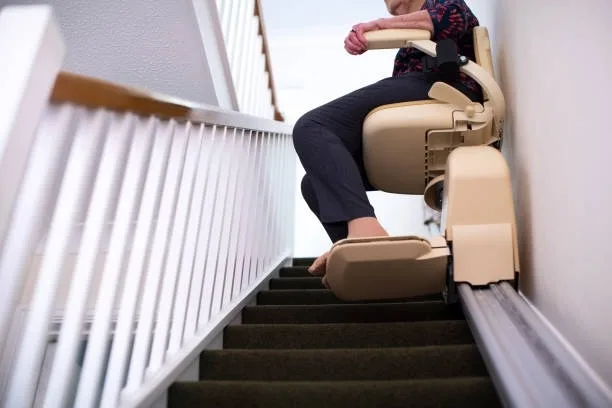
If you or someone you love is starting to look into stair lift services, safety is probably the first thing on your mind and it should be. A stairlift is supposed to make the stairs less risky, not add a new set of worries. The good news is that today's stairlifts are built with layers of safety features most people never think to ask about until they're standing in a showroom, a little overwhelmed.
This guide walks through the safety features that actually matter, what to expect from a good installation, and the questions worth asking before you sign anything.
What Makes a Stairlift Safe?
At its core, a stairlift is a motorized seat that travels along a rail mounted to your stairs, carrying you up and down without the strain of climbing. But "safe" isn't just about the seat and rail it's about everything working together: the mechanics, the sensors, the backup systems, and how well the whole thing was installed in the first place.
A well-made stairlift should do three things without fail:
- Stop immediately if something (or someone) is in the way.
- Keep running even if the power goes out.
- Keep the rider securely seated the entire ride.
Everything below builds on those three basics.
Must-Have Safety Features to Look For
Not every stairlift on the market has all of these, so it's worth checking the spec sheet or simply asking the installer directly.
Seatbelts and Swivel Seats
A proper seatbelt sounds obvious, but it's easy to overlook when you're comparing prices instead of features. Look for a seatbelt that's simple to buckle one-handed, since that matters a lot for anyone with limited grip strength or arthritis.
Swivel seats are just as important. At the top of the stairs, the seat should rotate to face away from the staircase before the rider stands up. This one feature prevents a significant share of stairlift-related falls because it allows users to exit safely without twisting toward the edge of the stairs.
Safety Sensors and Obstruction Detection
Good stairlifts have sensors built into the footrest and sometimes along the rail itself. If a stray shoe, a pet, or a stack of laundry ends up in the path, the lift stops automatically instead of pushing through. This sounds like a small feature until you consider how often stairs become temporary storage areas in busy households.
Battery Backup Power
Here's one people rarely think to ask about: what happens during a power outage? A stairlift that runs only on household electricity can leave someone stranded halfway up the stairs. That's why most quality units run on rechargeable batteries that continuously charge at the top or bottom of the rail, allowing the lift to keep operating even when the power goes out.
Slow-Start, Slow-Stop Technology
A jerky stop or sudden lurch at the beginning of the ride can throw someone off balance, even while seated. Look for lifts that offer smooth acceleration and deceleration. It's a small engineering detail that makes a noticeable difference in both comfort and safety.
Key-Lock Controls
For households with young grandchildren or curious pets, a key-operated lock allows you to disable the stairlift when it's not in use. It's a simple but effective way to prevent unintended operation.
Choosing the Right Stair Lift Services
Even the best-built stairlift is only as safe as its installation. This is where stair lift services make or break the entire experience. A rail that's mounted incorrectly or a unit that's not properly calibrated for your staircase can undermine every built-in safety feature.
What to Ask About Stairlifts Installation Services
Before booking, it's worth asking a few direct questions:
- Are your technicians certified to install this specific brand and model?
- Does the quote include a home assessment, or is it simply a flat estimate?
- What's covered under the warranty, and for how long?
- Is emergency repair service available if something goes wrong?
- Will you demonstrate all the safety features before leaving?
A trustworthy provider will answer these questions confidently and often discuss them before you even ask.
Chairlift Installation: What the Process Looks Like
To clarify, when people mention "chairlift installation" in this context, they're referring to a residential stairlift not the chairlifts used at ski resorts. The installation process generally includes:
- In-home assessment: Measuring your staircase and evaluating any turns or landings.
- Custom rail fitting: Designing a rail that perfectly matches your staircase.
- Installation day: Straight staircases are usually completed within a few hours, while curved installations take longer.
- Safety testing: Every sensor, seatbelt, and emergency stop function should be thoroughly tested.
- User walkthrough: You or your loved one should receive hands-on training before the technician leaves.
If a provider skips the walkthrough or rushes the testing process, consider it a warning sign.
Maintenance Tips to Keep Your Stairlift Safe
Safety doesn't end after installation. Routine maintenance helps ensure your stairlift continues operating reliably.
- Wipe the rail regularly to remove dust and debris.
- Check the seatbelt buckle to ensure it locks securely.
- Keep the charging contacts clean so the battery backup functions properly.
- Schedule an annual inspection with your installer to identify potential issues before they become costly repairs.
Most stair lift services offer maintenance plans, and they're often worth the investment.
The Bottom Line
A stairlift should restore confidence and independence not create additional concerns. Between built-in safety features such as seatbelts, obstruction sensors, battery backup, smooth start-and-stop technology, and secure locking controls, today's stairlifts are designed with user safety in mind.
If you're still wondering whether it's the right time to invest in one, learning more about when mobility needs change and when to install, keep, or remove a stairlift can help you make a more informed decision: Once you're confident it's the right solution, reach out to a trusted local provider, ask the right questions, and schedule a home assessment. Most reputable companies offer an initial consultation at no cost, giving you the information you need to choose the safest option for your home and your loved ones.