
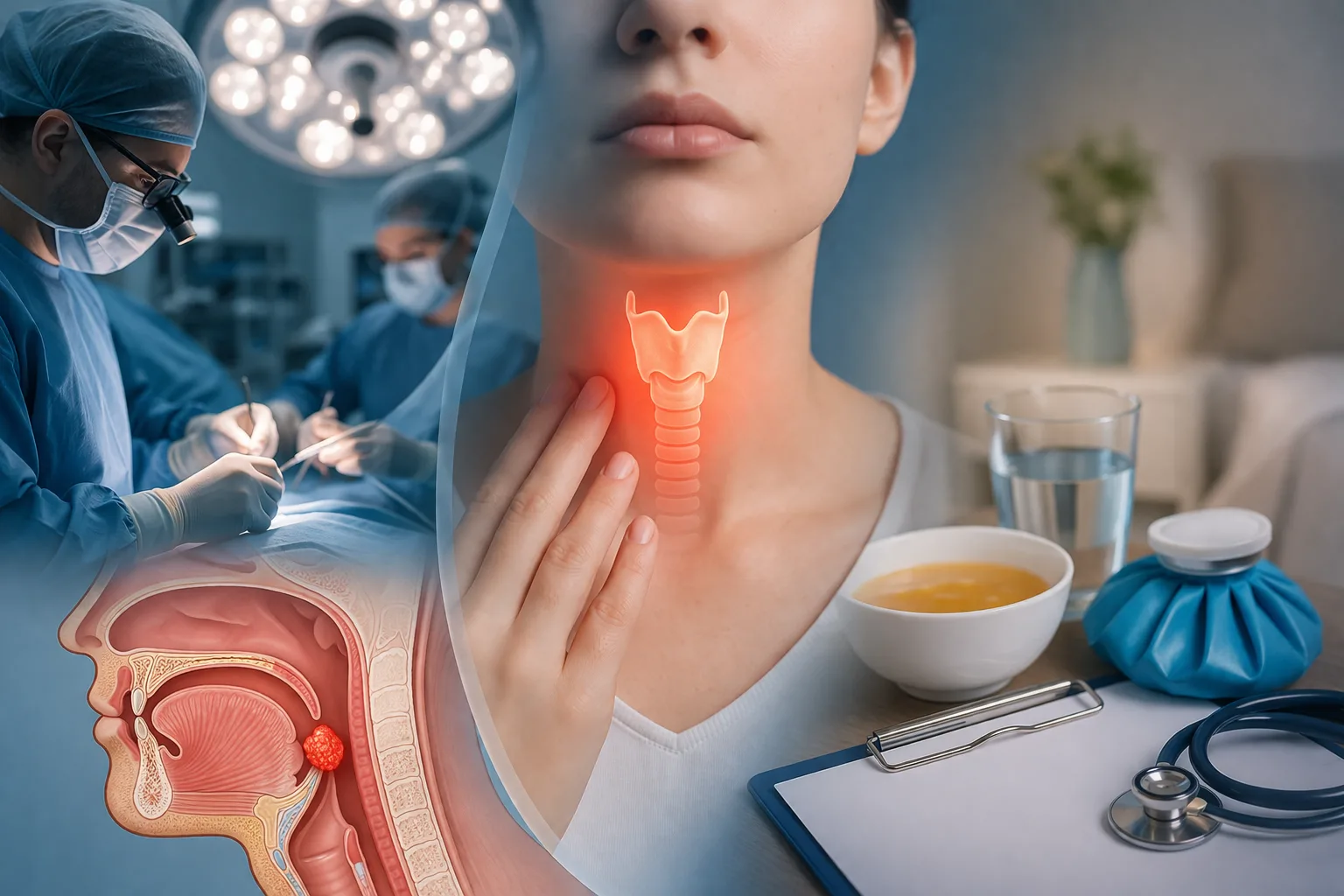
Throat cancer is a serious condition that affects the pharynx (throat), larynx (voice box), or tonsils. Understanding its stages and the available treatment options is essential for patients and caregivers to make informed decisions. Among various treatment approaches, surgery plays a crucial role, especially when the disease is detected early. Advances in medical technology, such as laser surgery for throat cancer, have significantly improved outcomes and recovery experiences.
Understanding Throat Cancer
Throat cancer is a type of head and neck cancer that usually begins in the flat cells lining the inside of the throat. It is commonly associated with risk factors such as tobacco use, excessive alcohol consumption, HPV infection, and prolonged exposure to irritants.
Symptoms may include:
- Persistent sore throat
- Difficulty swallowing
- Hoarseness or voice changes
- Unexplained weight loss
- Lump in the neck
Early detection is key, as it directly influences treatment success and survival rates.
Stages of Throat Cancer
Doctors use a staging system to determine how advanced the cancer is. The most commonly used system is the TNM staging system, which evaluates tumor size (T), lymph node involvement (N), and metastasis (M).
Stage 0 (Carcinoma in Situ)
At this earliest stage, abnormal cells are present only in the lining of the throat and have not spread deeper.
Treatment Approach:
- Minimally invasive procedures are often sufficient.
- Laser surgery for throat cancer is highly effective at this stage, as it allows precise removal of abnormal tissue without damaging surrounding structures.
Stage I
The cancer is small (usually less than 2 cm) and confined to one area of the throat. There is no spread to lymph nodes or distant organs.
Treatment Options:
- Surgery or radiation therapy
- Laser surgery for throat cancer is commonly used due to its precision and minimal side effects
- High cure rates when treated early
Stage II
At this stage, the tumor has grown larger (2–4 cm) but still has not spread to lymph nodes or distant sites.
Treatment Options:
- Surgery, radiation therapy, or a combination of both
- Laser surgery for throat cancer may still be an option depending on tumor location
- Organ preservation becomes an important goal
Stage III
Cancer may have spread to nearby lymph nodes or grown larger than 4 cm. It is considered locally advanced.
Treatment Options:
- Combination of surgery, radiation, and chemotherapy
- More extensive surgical procedures may be required
- Laser surgery for throat cancer might be used in selected cases, especially for accessible tumors
Stage IV
This is the most advanced stage and is divided into IVA, IVB, and IVC depending on the extent of spread. Cancer may involve multiple lymph nodes or spread to distant organs like the lungs.
Treatment Options:
- Aggressive treatment involving surgery, chemotherapy, and radiation
- Reconstructive surgery may be required after tumor removal
- Laser surgery for throat cancer is less commonly used alone but may be part of a combined treatment approach
Surgical Treatment Options for Throat Cancer
Surgery is one of the primary treatments for throat cancer, particularly in early and localized stages. The type of surgery depends on the stage, size, and location of the tumor, as well as the patient’s overall health.
1. Endoscopic Surgery
This minimally invasive technique uses a thin tube with a camera and instruments inserted through the mouth.
Benefits:
- No external incisions
- Faster recovery
- Less pain and scarring
Laser surgery for throat cancer is often performed using this method, making it highly effective for early-stage tumors.
2. Laser Surgery
Laser surgery for throat cancer is a modern technique that uses a focused beam of light to remove cancerous tissue. It is particularly useful for tumors in the larynx and pharynx.
Advantages:
- High precision targeting of tumor cells
- Minimal damage to surrounding tissues
- Reduced bleeding during surgery
- Shorter hospital stay
- Faster recovery and return to normal activities
This technique is especially beneficial for preserving voice and swallowing functions, which are critical for a patient’s quality of life.
3. Partial Laryngectomy
In this procedure, only the affected part of the larynx is removed, preserving the patient’s ability to speak.
When It’s Used:
- Early to moderately advanced cancers
- Tumors confined to a specific part of the larynx
4. Total Laryngectomy
This involves the complete removal of the larynx and is typically used for advanced cancers.
Impact:
- Permanent loss of natural voice
- Breathing through a stoma (opening in the neck)
- Requires speech rehabilitation
5. Pharyngectomy
This surgery removes part or all of the pharynx, depending on tumor spread.
Reconstruction:
- Tissue from other parts of the body may be used to rebuild the throat
- Helps restore swallowing function
6. Neck Dissection
If cancer has spread to lymph nodes, surgeons may remove affected lymph nodes in the neck.
Purpose:
- Prevent further spread of cancer
- Improve treatment outcomes
Choosing the Right Surgical Option
The choice of surgery depends on several factors:
- Stage of cancer
- Tumor size and location
- Patient’s age and overall health
- Functional outcomes (speech and swallowing)
In early stages, laser surgery for throat cancer is often preferred due to its minimally invasive nature and excellent outcomes. In advanced stages, more extensive surgeries may be necessary, often combined with other treatments.
Recovery After Throat Cancer Surgery
Recovery varies depending on the type of surgery performed.
Short-Term Recovery:
- Pain and swelling in the throat
- Difficulty swallowing
- Temporary voice changes
Long-Term Recovery:
- Speech therapy may be required
- Nutritional support through diet modifications
- Regular follow-ups to monitor for recurrence
Patients who undergo laser surgery for throat cancer typically experience quicker recovery and fewer complications compared to traditional surgeries.
Risks and Complications
Like any surgical procedure, throat cancer surgery carries some risks:
- Infection
- Bleeding
- Difficulty speaking or swallowing
- Changes in voice quality
However, advanced techniques such as laser surgery for throat cancer significantly reduce these risks and improve overall safety.
Importance of Early Detection
Early-stage throat cancer is highly treatable, often with less invasive methods. Regular screenings, especially for high-risk individuals, can help detect cancer at an early stage when treatments like laser surgery for throat cancer are most effective.
Final Thoughts
Understanding the stages of throat cancer and the available surgical treatment options can empower patients to make informed decisions about their care. While advanced stages may require complex treatments, early detection opens the door to minimally invasive solutions like laser surgery for throat cancer, offering excellent outcomes with fewer side effects.
If you or someone you know is experiencing symptoms of throat cancer, seeking timely medical evaluation can make a significant difference in treatment success and quality of life.