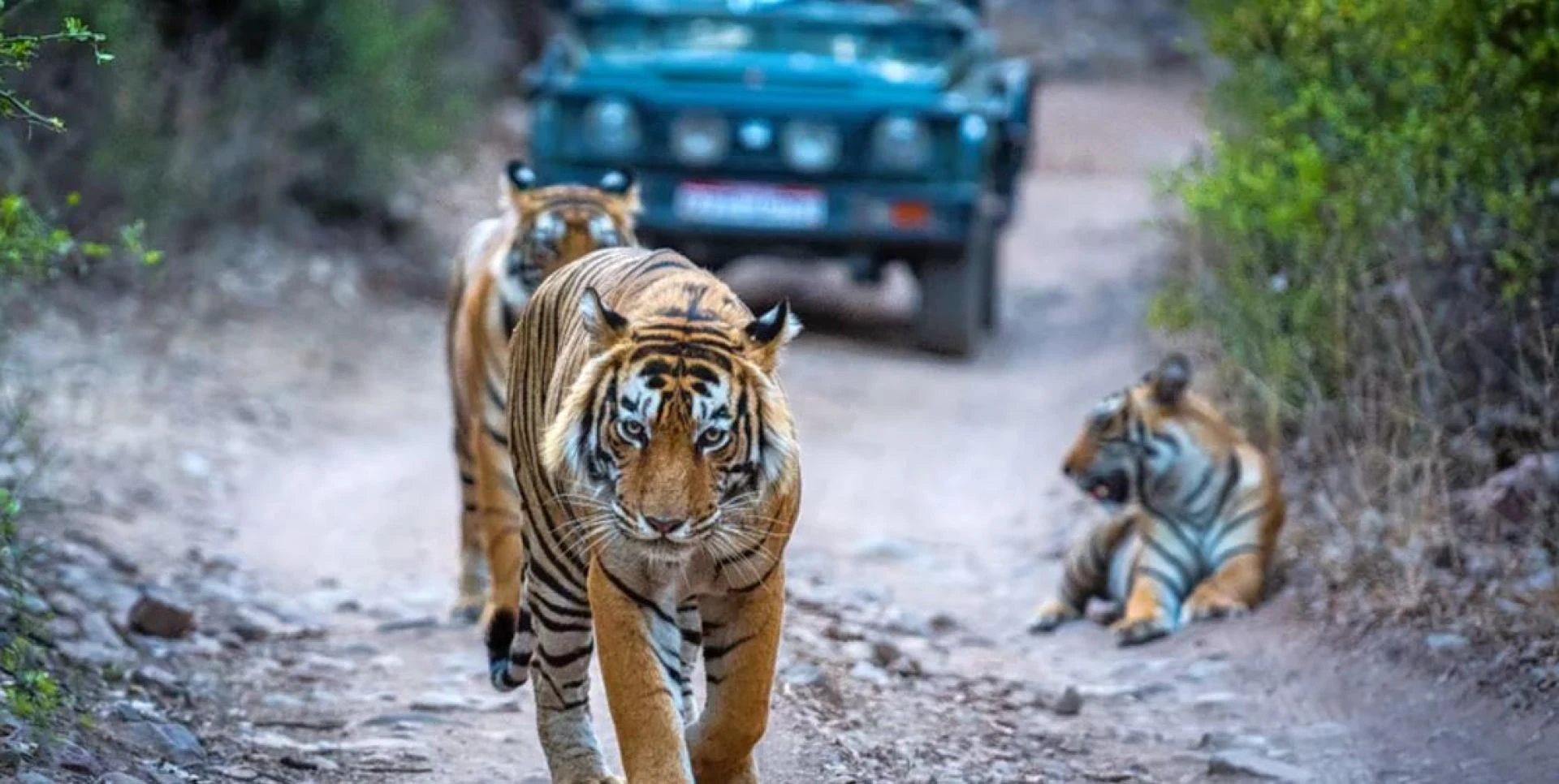
Finding a sanctuary that balances the thrill of the wild with the serenity of ancient devotion is a rare experience. For those staying at a resort in Ranthambore, the journey often extends beyond the roar of the tiger into the quiet, sacred echoes of the Aravalli Hills. One of the most profound cultural experiences in this region is a visit to the Chauth Mata Temple. Located in the town of Chauth ka Barwara, this temple is not just a structural marvel but a living testament to the deep-rooted faith of the Rajasthani people. Whether you are a solo traveler seeking peace or a family looking to immerse yourselves in local traditions, this sightseeing guide provides everything you need to know about this spiritual landmark.
The Legend and History of Chauth Mata Temple
The Chauth Mata Temple stands as a sentinel of history, dating back to the 15th century. It was established by Maharaja Bhim Singh, who brought the idol from Pachala and installed it atop a hill overlooking the scenic plains. Chauth Mata is considered the principal deity of the local community and is widely revered across Rajasthan as the goddess of prosperity and longevity. The temple’s architecture reflects the classic Rajputana style, with intricate stone carvings and expansive courtyards that have withstood the test of time. Visitors often feel a sense of immediate grounding as they ascend the stone steps, leaving the modern world behind for a space where time seems to move more slowly.
A Trek to the Skies: The Temple Ascent
Reaching the temple is an experience in itself. Perched at an altitude of approximately 1,000 feet, the temple requires a climb of about 700 steps. While this might sound daunting, the path is well-maintained and flanked by local vendors selling traditional offerings, sweets, and handcrafted souvenirs. As you climb higher, the air becomes cooler, and the panoramic views of the surrounding hills and the Barwara lake begin to unfold. It is a meditative walk where the rhythmic sound of temple bells in the distance encourages every step. For those with mobility concerns, local options are often available to assist with the ascent, ensuring that the spiritual experience is accessible to everyone.
Architectural Beauty and Inner Sanctum
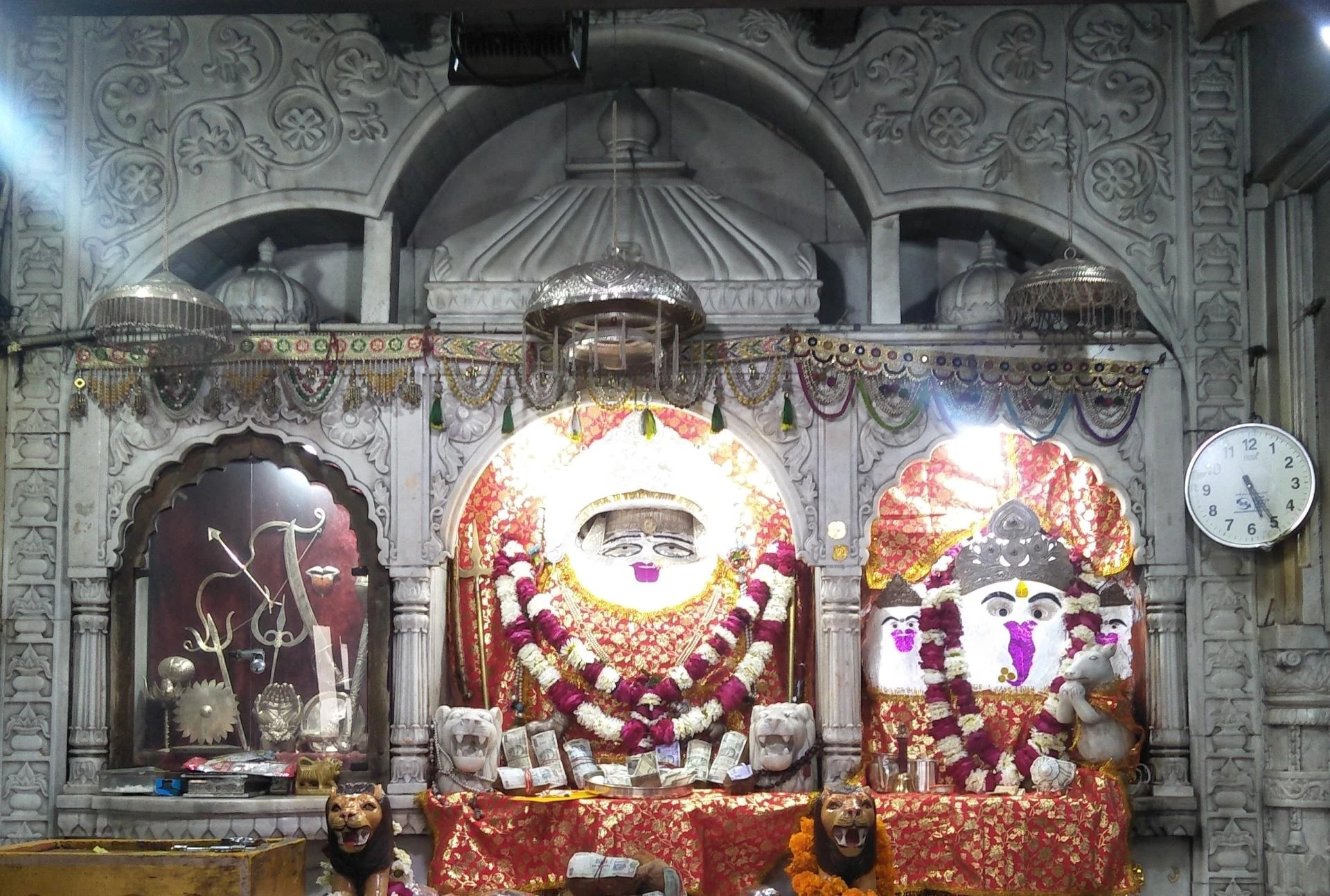
Upon reaching the summit, the temple’s facade greets you with grand arches and traditional marble work. The inner sanctum houses the idol of Chauth Mata, usually adorned in vibrant silk garments and gold ornaments. Beside her sit the idols of Lord Ganesha and Lord Bhairav, completing the divine hierarchy of the shrine. The atmosphere inside is thick with the scent of incense and the soft murmurs of prayers. One of the most striking features of the temple is its "Mandap," where the ceiling is decorated with paintings and carvings depicting various mythological stories. The craftsmanship serves as a bridge between the earthly and the divine, showcasing the artistic expertise of the artisans of that era.
Religious Significance and Festivals
While the temple is a year-round destination, it transforms into a vibrant hub of activity during the festival of Karwa Chauth. Thousands of devotees from across India flock here to seek the Goddess's blessings for the well-being of their families. The energy during these festivals is electric, characterized by folk music, traditional dances, and elaborate rituals. Beyond Karwa Chauth, the temple is also a significant spot among the many Places to Visit in Ranthambore during the Ganesh Chaturthi and Navratri seasons. Participating in or even observing these local traditions provides a layer of cultural depth that most standard wildlife tours cannot offer.
Strategic Location and Surroundings
Chauth Mata Temple is located about 35 kilometers from the main tiger reserve area, making it an easy half-day excursion. The drive itself is picturesque, passing through rural hamlets where you can see the authentic Rajasthani way of life. After visiting the temple, many travelers take a moment to explore the Barwara Fort, which has now been partially restored. The juxtaposition of the rugged fort walls and the spiritual grace of the temple creates a unique historical narrative. It is this combination of geography and spirituality that makes the Barwara region a must-visit for anyone looking to understand the soul of Sawai Madhopur.
Essential Travel Tips for Devotees and Tourists
To make the most of your spiritual journey, it is recommended to visit the temple during the early morning hours or late afternoon. This allows you to avoid the midday heat and witness the stunning sunrise or sunset from the hilltop. Dressing modestly is expected out of respect for the local customs. It is also wise to carry a water bottle for the climb, though there are stalls along the way. Photography is often restricted inside the main sanctum, so it is best to check with the temple authorities before clicking pictures. Engaging a local guide can also enhance the experience, as they can share folklores and historical anecdotes that aren't found in standard guidebooks.
Exploring the Wider Region
A trip to the temple is often part of a broader itinerary of Things to Do in Sawai Madhopur. Once you have descended from the spiritual heights of Chauth Mata, you can explore the local markets of the town, which are famous for their traditional bangles and embroidered textiles. The region’s proximity to the Ranthambore National Park means you can easily transition from a morning of spiritual reflection to an afternoon of wilderness exploration. This balance of "Shanti" (peace) and "Shakti" (power) is what defines the Ranthambore experience.
Why This Spiritual Journey Matters
In an age of fast-paced travel, taking the time to visit a site like Chauth Mata Temple allows for a moment of introspection. It is an opportunity to connect with a lineage of faith that has remained unbroken for centuries. For guests at Ranthambore Tiger Resort, this journey provides a complete perspective of the land—showing that Rajasthan is not just about its magnificent tigers and grand palaces, but also about the quiet strength of its spiritual heart. Leaving the temple, one often carries back a sense of calm that lasts long after the trip has ended.