Spider veins are a common vascular condition that affects millions of Australians. While they are often considered a cosmetic concern, spider veins can sometimes indicate underlying vein issues that may benefit from medical assessment.
Understanding what causes spider veins, recognising the risk factors, and exploring available treatment options can help you make informed decisions about your vascular health.
What Are Spider Veins?
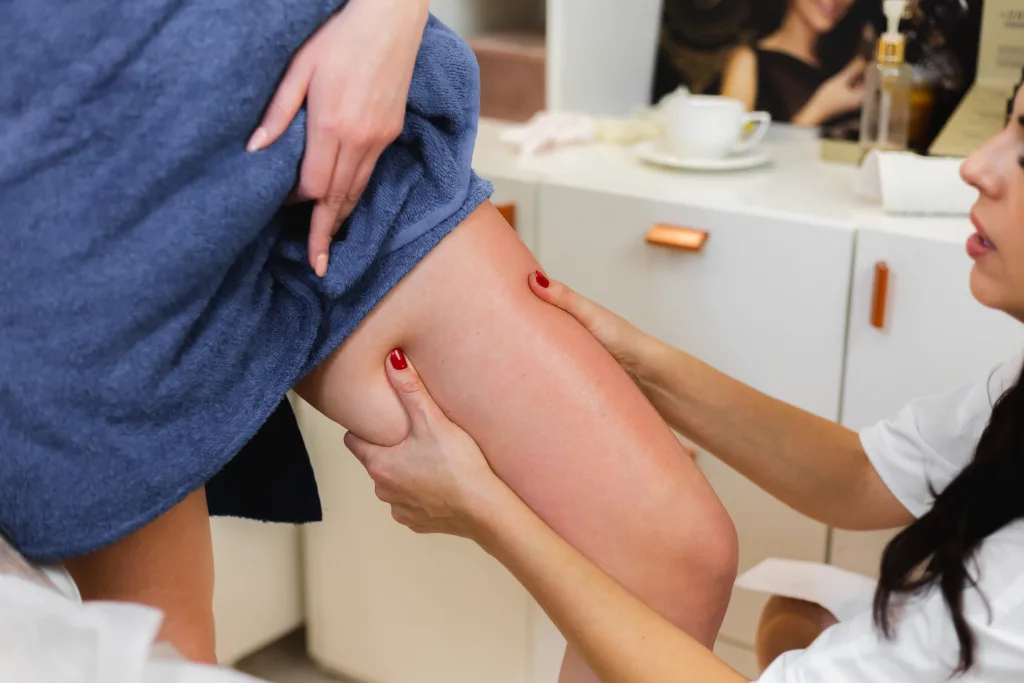
Spider veins are small, damaged blood vessels that appear close to the surface of the skin. They often look like thin red, blue, or purple lines that spread out in a web-like pattern, which is how they earned their name.
Spider veins can develop anywhere on the body, but they are most commonly found on the legs and face. Although they are usually harmless, some individuals may experience symptoms such as:
- Aching or heaviness in the legs
- Burning or itching around the affected veins
- Mild swelling
- Discomfort after standing for long periods
Common Causes of Spider Veins
Spider veins develop when tiny valves within the veins stop functioning efficiently, allowing blood to pool and causing veins to become visible beneath the skin. Several factors can increase the risk.
- Genetics: A family history of spider veins or varicose veins significantly increases the likelihood of developing these conditions.
- Hormonal Changes: Hormonal fluctuations associated with pregnancy, menopause, and hormonal therapies can affect vein health and contribute to spider vein formation.
- Pregnancy: Pregnancy increases blood volume and places additional pressure on the veins, particularly in the legs.
- Prolonged Sitting or Standing: Extended periods in one position can impair circulation and place strain on the vein network.
- Obesity: Carrying excess weight creates additional pressure on the blood vessels, increasing the risk of venous conditions.
Effective Spider Vein Treatments Available in Australia
Modern vascular treatments offer safe and effective options for reducing or eliminating spider veins.
Sclerotherapy
Sclerotherapy is widely considered the gold standard treatment for spider veins on the legs.
During the procedure, a specialised solution is injected into the affected veins, causing them to collapse and gradually fade from view. Benefits include:
- Minimally invasive treatment
- No surgical incisions
- Minimal downtime
- Excellent cosmetic results
Laser Treatment
Laser therapy may be recommended for smaller spider veins, particularly those on the face.
The laser targets the blood vessel without damaging surrounding tissue, allowing the body to naturally absorb the treated vein over time.
Lifestyle Management
While treatment can remove existing spider veins, maintaining healthy circulation helps reduce the risk of developing new ones. Helpful measures include:
- Regular exercise
- Maintaining a healthy weight
- Avoiding prolonged sitting or standing
- Wearing compression stockings when recommended
- Elevating the legs after long periods of activity
When Should You See a Vascular Specialist?
Many people delay treatment because they assume spider veins are purely cosmetic. However, professional assessment is worthwhile if you experience:
- Leg pain or aching
- Swelling
- Heaviness in the legs
- Itching around veins
- Visible progression of vein changes
- A family history of vein disease
Early evaluation can help detect underlying venous conditions and ensure the most appropriate treatment approach.
Take Control of Your Vein Health
Spider veins are a common part of life for many Australians, but they do not have to affect your confidence or comfort. Advances in vascular medicine mean there are now highly effective treatment options available with minimal disruption to daily life.
If you are concerned about spider veins or experiencing symptoms that affect your wellbeing, seeking advice from an experienced vascular specialist is the first step towards healthier circulation and renewed confidence.