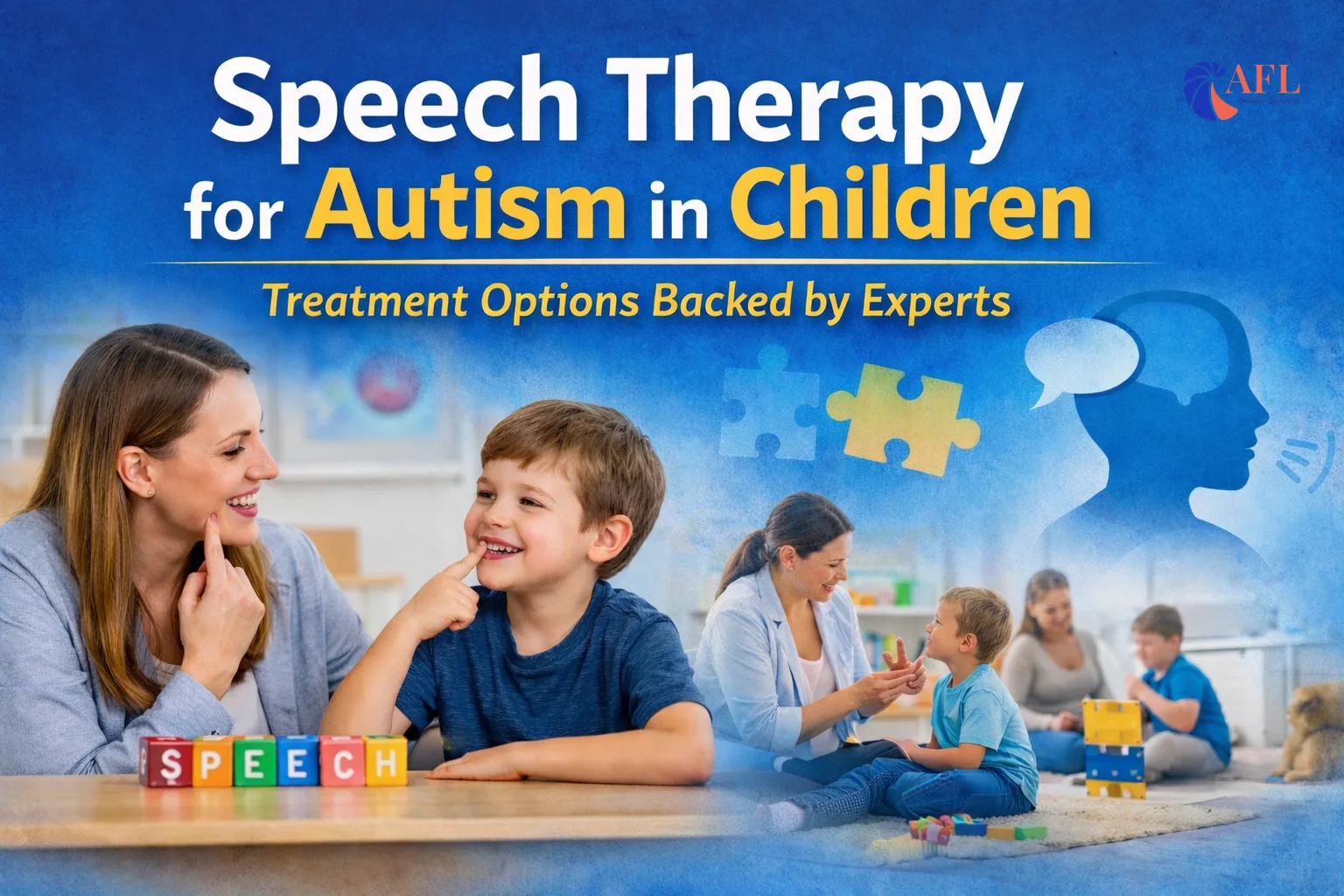
When a child is diagnosed with autism, communication often becomes one of the first concerns for parents. Some children may struggle to speak, while others may find it difficult to express thoughts, understand language, or engage socially. This is where Speech Therapy for Autism plays a critical role. It is not just about learning words, but about building meaningful connections and improving everyday interactions.
At Adapt For Life - AFL Autism Services, therapy approaches are designed with a structured yet personalized framework, focusing on real-life communication outcomes. This article provides a clear, expert-backed overview of how speech therapy works, what treatment options are available, and how parents can make informed decisions.
Understanding Communication Challenges in Autism
Children on the autism spectrum experience communication differences in various ways. Some may be non-verbal, while others may have delayed speech or difficulty maintaining conversations. These challenges are not limited to speaking alone. They often include:
- Difficulty understanding verbal and non-verbal cues
- Limited vocabulary or repetitive language use
- Trouble initiating or sustaining conversations
- Challenges with social communication
Addressing these issues early can significantly improve a child’s developmental trajectory. This is where structured intervention becomes essential.
What Is Speech Therapy and How Does It Help?
Speech Therapy for Children focuses on improving a child’s ability to communicate effectively. In the context of autism, therapy goes beyond pronunciation or vocabulary. It includes:
- Language development
- Social communication skills
- Understanding gestures and facial expressions
- Improving listening and comprehension
Therapists use evidence-based methods tailored to each child’s needs. The goal is not to force communication but to enable it in a way that feels natural and functional for the child.
Speech Therapy for Autism: Core Treatment Approaches
Speech therapy is not a one-size-fits-all solution. Experts typically use a combination of techniques depending on the child’s abilities and goals.
1. Augmentative and Alternative Communication (AAC)
For children who are non-verbal or minimally verbal, AAC systems can be highly effective. These include:
- Picture Exchange Communication Systems (PECS)
- Communication apps and devices
- Visual boards
AAC helps children express needs and emotions without relying solely on speech, reducing frustration and improving engagement.
2. Play-Based Therapy
Play is a natural learning method for children. Therapists use structured play sessions to encourage communication. This may involve:
- Role-playing scenarios
- Interactive games
- Storytelling activities
Through play, children learn to initiate communication, respond to others, and build social skills.
3. Social Communication Training
Many children with autism struggle with social interaction. Therapy sessions often include:
- Practicing eye contact
- Learning turn-taking
- Understanding tone and context
These skills are essential for building relationships and functioning in everyday environments like school or home.
4. Integration with Behavioral Therapy
Combining speech therapy with aba in home therapy often leads to better outcomes. Behavioral therapy helps reinforce communication skills through structured routines and positive reinforcement.
For example, a child learning to request an item verbally may receive immediate reinforcement, strengthening the behavior. This integrated approach ensures consistency across different settings.
Role of Family in Therapy Success
Parents are not just observers in the therapy process. They are active participants. Therapists often guide parents on how to:
- Encourage communication at home
- Use consistent cues and prompts
- Reinforce learned skills in daily routines
Consistency is critical. A child who practices communication both in therapy sessions and at home shows faster progress.
Accessing the Right Support System
Choosing the right support network is essential. Many families benefit from structured community autism services, which provide a range of therapies under one system. These services often include:
- Speech therapy
- Occupational therapy
- Behavioral interventions
- Parent training programs
A coordinated approach ensures that all aspects of a child’s development are addressed simultaneously.
When Should You Start Speech Therapy?
Early intervention is widely recommended. Signs that may indicate the need for therapy include:
- No babbling or gestures by 12 months
- No words by 16–18 months
- Loss of previously acquired speech
- Difficulty following simple instructions
Starting therapy early allows children to develop foundational skills during critical developmental stages.
Measuring Progress in Therapy
Progress in speech therapy is gradual and varies for each child. Experts focus on measurable improvements such as:
- Increased vocabulary
- Better response to instructions
- Improved social interaction
- Reduced frustration during communication
Regular assessments help track these changes and adjust therapy plans accordingly.
Speech Therapy for Autism in Real-Life Settings
Therapy is most effective when it extends beyond clinical sessions. Real-life application is key. This is why many families opt for aba in home therapy, where interventions occur in the child’s natural environment.
At home, children are more comfortable and responsive. Therapists can work on practical skills like:
- Requesting food or toys
- Communicating needs
- Interacting with family members
This approach bridges the gap between therapy and daily life.
Importance of Consistent Support Services
Access to reliable community autism services ensures continuity of care. These services provide long-term support, helping children adapt as they grow.
Consistency across therapists, environments, and strategies creates a stable learning framework. It also reduces confusion for the child, making skill development more effective.
Choosing the Right Provider
Selecting a provider requires careful evaluation. Parents should consider:
- Qualifications and experience of therapists
- Individualized treatment plans
- Availability of integrated services
- Parent involvement in therapy
Adapt For Life - AFL Autism Services focuses on evidence-based practices combined with personalized care. The goal is to create measurable improvements in communication while supporting the child’s overall development.
Long-Term Benefits of Speech Therapy
The impact of therapy extends far beyond early childhood. Effective intervention can lead to:
- Improved academic performance
- Better social relationships
- Increased independence
- Enhanced quality of life
Children who receive consistent therapy often develop stronger communication skills, allowing them to navigate different environments more confidently.
Final Thoughts
Speech Therapy for Autism is a critical component in supporting children with communication challenges. With the right combination of techniques, family involvement, and professional guidance, children can make meaningful progress.
Every child’s journey is different. What remains constant is the importance of early, structured, and consistent intervention. By choosing the right support system and staying actively involved, parents can help their children unlock their full potential.
For personalized guidance and professional support, contact us to learn how tailored therapy programs can make a difference.
FAQs
1. How long does speech therapy take to show results?Progress varies depending on the child’s needs and consistency of therapy. Some improvements may be visible within a few months, while others take longer.
2. Can non-verbal children benefit from speech therapy?Yes. Therapists use alternative communication methods like AAC to help non-verbal children express themselves effectively.
3. Is speech therapy enough on its own?In many cases, combining therapy with behavioral approaches like aba in home therapy provides better outcomes.
4. How often should a child attend therapy sessions?Frequency depends on the treatment plan, but most children benefit from multiple sessions per week along with home practice.
5. Are parents involved in the therapy process?Yes. Parent involvement is essential for reinforcing skills and ensuring consistency outside therapy sessions.