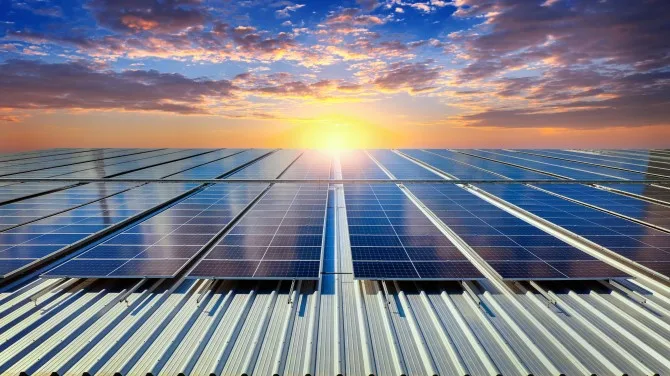
Running a hotel or resort means creating a comfortable experience for every guest while managing the daily costs of keeping the property running. From air conditioning and lighting to hot water systems, kitchens, laundry facilities, lifts, and swimming pool equipment, hotels consume electricity throughout the day. During peak tourist seasons, energy demand can rise even further, putting additional pressure on operating budgets. This is where a solar panel for hotel installation can make a meaningful difference. By generating clean electricity from sunlight, hotels can reduce their dependence on grid power, manage energy expenses, and take practical steps towards more sustainable hospitality.
Why Are Hotels Switching to Solar Power?
Electricity is one of the important ongoing expenses for hotels, particularly properties with large rooms, restaurants, conference halls, banquet facilities, and round-the-clock services. Traditional power sources expose businesses to changing electricity tariffs and increasing operational costs. Solar power offers an alternative by allowing hotels to generate a portion of their electricity on-site.
A well-designed solar power system for a hotel can supply electricity to selected loads or support a significant share of the property's overall demand, depending on the available installation area, consumption pattern, and system capacity. Over time, the electricity generated by the panels can help reduce grid consumption and improve control over energy expenditure. For hotel owners, these savings can support other priorities, including guest services, room upgrades, staff training, and property maintenance.
How Does a Solar Power System for a Hotel Work?
A hotel solar installation generally includes solar panels, inverters, mounting structures, electrical protection equipment, and monitoring systems. Solar panels capture sunlight and convert it into direct current electricity. The inverter converts this into alternating current, which hotel electrical equipment can use.
A grid-connected system can supply solar electricity to the property's electrical loads when sunlight is available. If the hotel consumes more electricity than the solar installation generates, the remaining requirement can be supplied by the grid. Depending on local regulations and the approved connection arrangement, excess electricity may be exported to the grid.
Hotels that need backup power during outages can also evaluate battery storage or other backup arrangements. However, a standard grid-connected solar system generally shuts down during a grid outage for safety unless it is specifically designed with suitable backup functionality. Choosing the right configuration is therefore essential for uninterrupted operations.
Key Benefits of Installing Solar Panels for Hotels
1. Reduce electricity expenses
One of the biggest advantages of solar energy is its potential to lower electricity bills. Hotels can use solar-generated power for suitable daytime loads, including air conditioning, kitchen equipment, pumps, office lighting, and other electrical systems. Actual savings depend on electricity tariffs, solar generation, system size, self-consumption, and applicable charges.
2. Make better use of unused rooftop space
Hotel buildings often have flat rooftops, service areas, or other suitable spaces that may be used for solar installations. Instead of leaving these areas underutilised, property owners can assess their potential for generating electricity. A professional site survey should consider structural strength, shading, waterproofing, maintenance access, and fire-safety requirements before installation.
3. Support sustainable hospitality
Travellers, corporate clients, and event organisers increasingly consider environmental practices when evaluating accommodation options. Using renewable electricity can strengthen a hotel's sustainability efforts and support its broader environmental goals. Hotels should communicate their solar initiatives accurately and avoid making unverified claims about carbon savings or complete energy independence.
4. Improve long-term energy planning
A solar installation can help a hotel generate part of its electricity at a relatively predictable cost over the system's operating life. This can make energy budgeting easier, although maintenance, equipment replacement, financing, and other expenses should be included in the financial assessment.
5. Strengthen your hotel's market positioning
Sustainability can become a valuable part of a hotel's brand identity. A property that invests in renewable energy may appeal to environmentally conscious travellers and businesses seeking responsible venues for conferences, weddings, and corporate events. Solar power works best as part of a genuine sustainability programme supported by measurable results.
Which Hotel Areas Can Benefit from Solar Energy?
The most suitable applications depend on when and how a property uses electricity. Rooftop solar generation can support several hotel operations, including:
- Guest rooms and common-area lighting.
- Air conditioning and ventilation systems.
- Commercial kitchens and food preparation areas.
- Laundry equipment and housekeeping facilities.
- Water pumps and selected water-heating systems.
- Reception areas, offices, conference rooms, and banquet facilities.
- Outdoor lighting, parking facilities, and selected service areas.
Large resorts may also assess suitable car parking structures or other available land for solar installations. Electrical loads that operate throughout the night may require grid power, batteries, or another suitable arrangement when solar generation is unavailable.
On-Grid, Off-Grid, or Hybrid: Which System Is Right for Your Hotel?
Selecting the right solar configuration is an important part of planning a hotel installation.
An on-grid solar system works alongside the electricity grid and is often worth evaluating for hotels with consistent daytime electricity consumption. It can reduce grid electricity use without requiring batteries, subject to the local connection and approval requirements.
An off-grid solar system operates independently of the electricity grid and generally requires suitable battery storage and careful load planning. It may be relevant for remote resorts or properties without dependable grid access, but the system must be designed around overnight demand and periods of low solar generation.
A hybrid solar system combines solar generation with grid power and battery storage. It may suit hotels that want to store surplus solar energy or support selected essential loads during outages. Battery capacity, backup duration, equipment compatibility, and safety requirements must be assessed before choosing this option.
How Much Solar Capacity Does a Hotel Need?
There is no single solar capacity that suits every hotel. A boutique property with a limited number of rooms will have different requirements from a luxury resort with multiple restaurants, central air conditioning, banquet halls, and extensive laundry operations.
The planning process should begin with a review of recent electricity bills, sanctioned load, daytime and nighttime consumption, available rooftop area, and the property's future expansion plans. A solar professional can then estimate the appropriate system capacity and expected generation.
For example, a hotel with high daytime electricity demand may be able to use a larger share of its solar generation directly. A property with substantial evening and overnight consumption may need a different system design or may evaluate battery storage for selected loads. Financial calculations should include installation costs, maintenance, expected generation, applicable tariffs, and any relevant incentives for which the property qualifies.
What Should Hotel Owners Check Before Installation?
Before investing in solar panels, hotel owners should review several practical considerations. The rooftop must be suitable for the proposed installation, with adequate structural capacity and minimal shading. Equipment should be selected according to site conditions, performance requirements, warranties, and service availability.
The installation must also comply with applicable electrical safety standards, local regulations, and grid-connection requirements. Monitoring tools can help facility managers track electricity generation and identify performance issues. Regular cleaning and maintenance are particularly important where dust, pollution, or seasonal weather conditions affect panel performance.
It is also sensible to compare proposals based on expected energy generation, equipment specifications, installation quality, warranty terms, and after-sales support rather than choosing a provider on price alone.
Is Solar Power a Worthwhile Investment for Hotels?
Solar power can be a worthwhile long-term investment for hotels with suitable installation space, meaningful daytime electricity demand, and a favourable financial assessment. The actual payback period varies with project cost, system performance, electricity tariffs, financing, maintenance, and the share of solar power consumed on-site. Hotel owners should request a site-specific generation estimate and financial analysis instead of relying on a universal savings or payback claim.
For hospitality businesses looking to manage operating costs while adopting cleaner energy, a properly planned solar installation can be a practical step towards more efficient property management.
Conclusion
A solar panel for hotel project is more than a rooftop upgrade. It is an opportunity to manage electricity expenses, make productive use of available space, and strengthen a property's commitment to responsible hospitality. Whether you operate a boutique hotel, a business hotel, a luxury resort, or a large hospitality complex, the right system should be designed around your actual energy needs.
Start by reviewing your electricity consumption, assessing your rooftop, and comparing suitable solar configurations. With realistic financial projections, quality equipment, and professional installation, solar power can become a valuable part of your hotel's long-term energy strategy.
Frequently Asked Questions
1. Can solar panels power an entire hotel?
Yes, a suitably sized system can generate a substantial amount of a hotel's electricity, but whether it can meet the entire demand depends on energy consumption, installation capacity, available space, and storage or grid arrangements.
2. Are solar panels suitable for small hotels and resorts?
Yes. Small hotels, guesthouses, boutique properties, and resorts can evaluate solar installations based on their electricity bills, available space, and expected return on investment.
3. Can hotel solar panels work at night?
Solar panels do not generate electricity at night. Hotels can use grid electricity or stored energy from a suitably designed battery system.
4. What determines the cost of a hotel solar system?
The main factors include system capacity, panel and inverter specifications, mounting structures, electrical work, rooftop conditions, battery storage, and installation requirements.